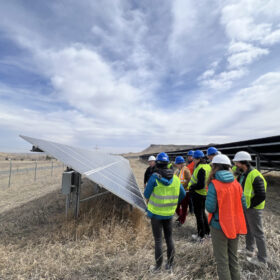
New model reveals pathway for land-efficient U.S. solar expansion
McGill University researchers, publishing in Communications Earth & Environment, used deep-learning computer vision to analyze 719 solar projects across the Western U.S. The study establishes a new “land-sparing” benchmark, providing developers with precise data to balance rapid capacity expansion with conservation and land-use priorities.
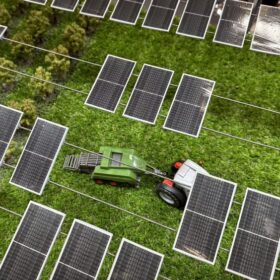
Survey finds 85.8% of Canadians support agrivoltaics
Canadian researchers conducted the first nationwide survey on public attitudes toward agrivoltaics, finding strong support across provinces with 85.8% of respondents in favor, although preferences varied by configuration. Opposition mainly stemmed from resistance to change, aesthetic concerns, and lack of awareness, highlighting the need for public education and updated policy frameworks to enable wider adoption.
Inside the PV recycling black box
How PV modules are treated at the end of their life is an increasingly important issue, but some recycling practices leave a lot to be desired. Scott Azevedo from Intertek CEA explores how asking the right questions, paying closer attention to end-of-life treatment, and steering volume toward good recyclers can have positive long-term consequences for the solar industry.

Trump EPA repeals Endangerment Finding, stripping legal bedrock for solar and clean energy
In a move described as the “single largest deregulatory action in U.S. history,” the EPA has rescinded the 2009 finding that greenhouse gases threaten public health, a decision that could dismantle the legal justification for federal solar incentives and emissions standards.
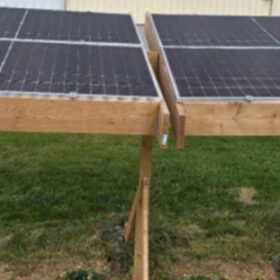
Agrivoltaics can help lettuce survive extreme heat
Scientists have grown organic romaine lettuce under 13 different types of PV modules, in an unusual hot Canadian summer. Their analysis showed lettuce yields increased by over 400% compared to unshaded control plants.
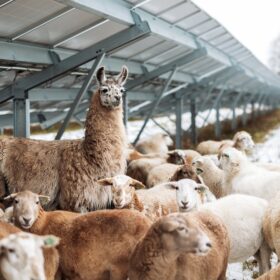
The ‘Farm of Tomorrow’ goes beyond traditional agrivoltaics
Norbut Solar Farms flipped the script on real estate development to long-term stewardship of land, generating renewable energy as well as crops and livestock.
Certification hurdles inhibit growth of solar panel reuse market
A new white paper from SPR argues that interconnection rules and unfavorable economics make large-scale, responsible reuse largely infeasible.
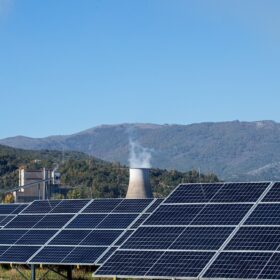
Global emissions rise 9% since 2015 as energy transition slows
McKinsey report finds solar and storage remain primary growth drivers while offshore wind and hydrogen pipelines fall behind 2030 targets.
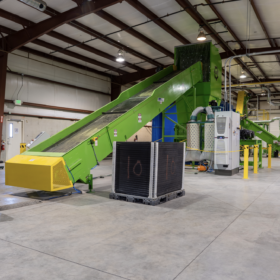
Comstock Metals expands solar recycling network with new California center
The company has secured a strategic site in California to process end-of-life photovoltaic modules for the Western United States. It will feed its Nevada facility that is designed to process more than 3 million solar panels annually.
Companies turn to agrivoltaics to differentiate their products
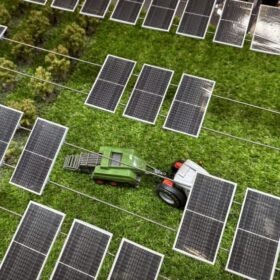
CleanCounts says environmental attribute tracking helps show solar value to customers.