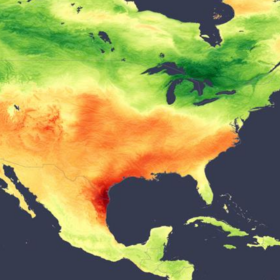
Heat dome and high pressure boost southern U.S. solar as polar vortex clouds the north
In a new weekly update for pv magazine, Solcast, a DNV company, reports that last month North America saw a stark solar divide, with southern regions like northeastern Mexico, southeastern Texas, and much of California experiencing 20–25% above-average irradiance, while Canada, the Great Lakes, and the northeastern U.S. faced persistent cloudiness and below-normal solar conditions. This contrast was driven by high-pressure systems and a southwestern heat dome in the south versus a polar vortex bringing cold air and storms to the north.
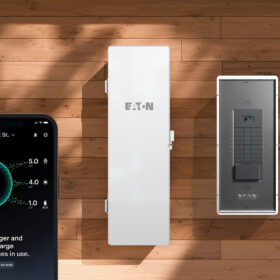
Eaton invests $75 million in SPAN to scale smart home electrical panels
The strategic partnership aims to accelerate affordable home electrification by integrating SPAN’s advanced power controls with Eaton’s distribution and electrical safety technology.
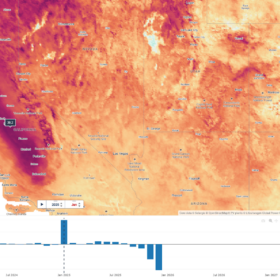
Why annual GHI maps can mislead solar risk assessments
According to SolarGIS, single-year irradiance anomalies shouldn’t be used to reveal long-term trends or structural shifts in solar resource risk.
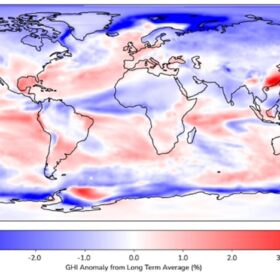
Early Solar forecast: First half 2026 solar irradiance outlook
In a new weekly update for pv magazine, Solcast, a DNV company, reports that early 2026 will bring mixed solar conditions globally, with strong prospects in eastern Australia and eastern China, but cloudier-than-normal outlooks for much of Europe, Asia, and parts of the US early in the year.
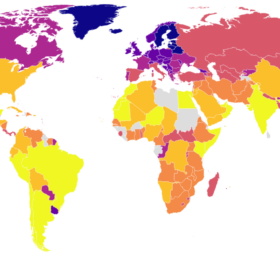
Global solar generation topped 540 GW in April, says Solcast
In a new weekly update for pv magazine, Solcast, a DNV company, reports that the global peak of solar output in 2025 occurred on April 29, at 06:00 UTC, estimated at 539 GW.
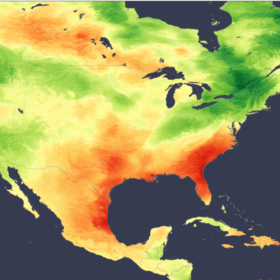
Atmospheric river cuts irradiance across Western North America
In a new weekly update for pv magazine, Solcast, a DNV company, reports that solar irradiance levels were well below average in western and northern United States in November, while southern parts of the country and Mexico enjoyed strong positive anomalies.
Quantifying uncertainty to produce more useful solar generation forecasts
Renewable energy firm PowerUQ advocates for the use of Uncertainty Quantification (UQ) in solar project analytics to combat the widespread issue of performance shortfalls. By incorporating a wider range of variables and providing probability scenarios like P50 and P90, UQ aims to make solar generation forecasts more useful and accurate over a project’s long lifespan.

Budderfly activates multi-region virtual power plant
The company is now running grid flexibility services for small and mid-sized business customers across the CAISO, NE-ISO, PJM, and SPP independent system operator grids.
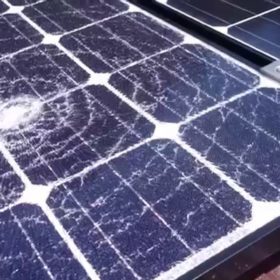
Solar risks: Hail, AI error, wildfire, and more
Hail damage remains a top risk to large-scale solar assets, according to an annual report from kWh Analytics.
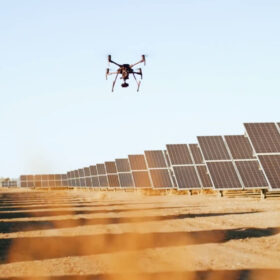
U.S. solar facilities lost $5,720 per MW to equipment underperformance in 2024
A report from Raptor Maps said solar power losses from equipment failures, extreme weather damage and more contributed to losses.