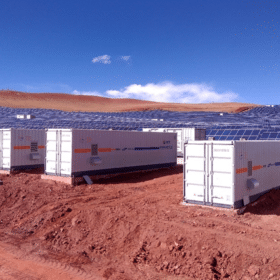
BloombergNEF confirms energy storage has reached the 100 GW era
A record year, and an incredibly strong outlook for the energy storage sector.
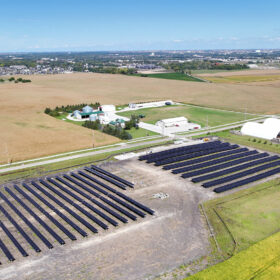
Iowa jail to be powered by 1 MW solar facility
Polk County approved a project that is expected to offset 25% of the jail’s energy consumption and save taxpayers $3 million over its lifespan.

Illinois Shines celebrates Walldog Solar, one of the program’s 171 approved agrivoltaics projects
As the Illinois Shines program approaches 4 GW of approved capacity, it’s offering a closer look at one special traditional community solar installation with agrivoltaic and pollinator-friendly attributes.
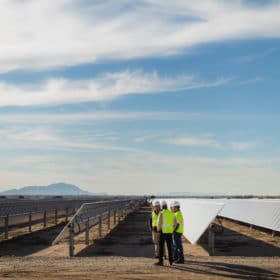
SRP and NextEra Energy Resources partner on massive solar expansion
Salt River Project and NextEra Energy Resources have signed a power purchase agreement for 3,000 MW of solar to be built in Arizona through 2027.

Clean power captures 91% of new U.S. grid capacity as 2025 installations hit 50 GW
The U.S. clean energy sector set a blistering pace in 2025, with utility-scale solar, wind, and energy storage accounting for 91% of all new power capacity added to the domestic grid.
Solar and storage to lead 86 GW capacity surge in 2026
New federal data shows solar and battery assets will comprise nearly 80% of all new utility-scale power additions planned for the U.S. electric grid this year.
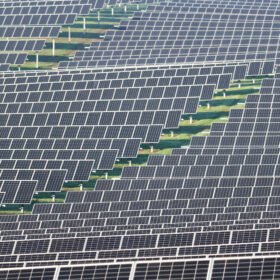
RFP Alert: NYSERDA seeks RECs from eligible land-based renewable energy projects
The state agency has launched its tenth annual solicitation for Tier 1 Renewable Energy Certificates, seeking proposals from mature wind, solar and hydroelectric facilities, with a focus on eligible projects seeking to access expiring federal tax credits.
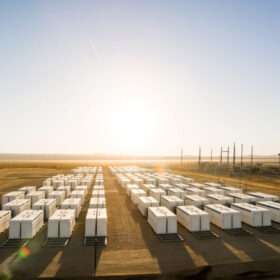
Tesla energy storage deployments down 15% on ‘clumpy’ first quarter
After peaking at over 14 GWh and accounting for 15% of Tesla’s revenue in the fourth quarter of 2025, energy storage saw a seasonal decline to 8.8 GWh accounting for 10.8% of the company’s revenue.
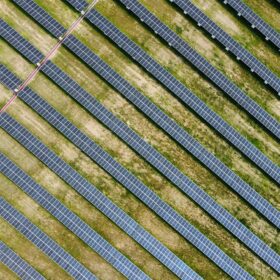
CleanCapital and Energix announce deal for 120 MW Ohio brownfield solar development
The long-delayed Nottingham Solar project, located on a former coal strip mine in Harrison County, is now under construction with an expected energization date of January 1, 2027.
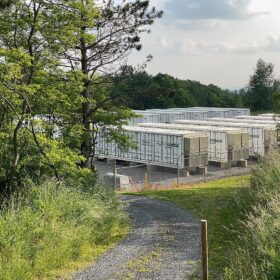
Tenaska, TVA sign agreement for 225 MW battery project in Tennessee
Tenaska and the Tennessee Valley Authority have reached a long term agreement for a 225 MW battery energy storage system in Hawkins County, Tennessee, marking a $300 million investment in regional grid reliability.