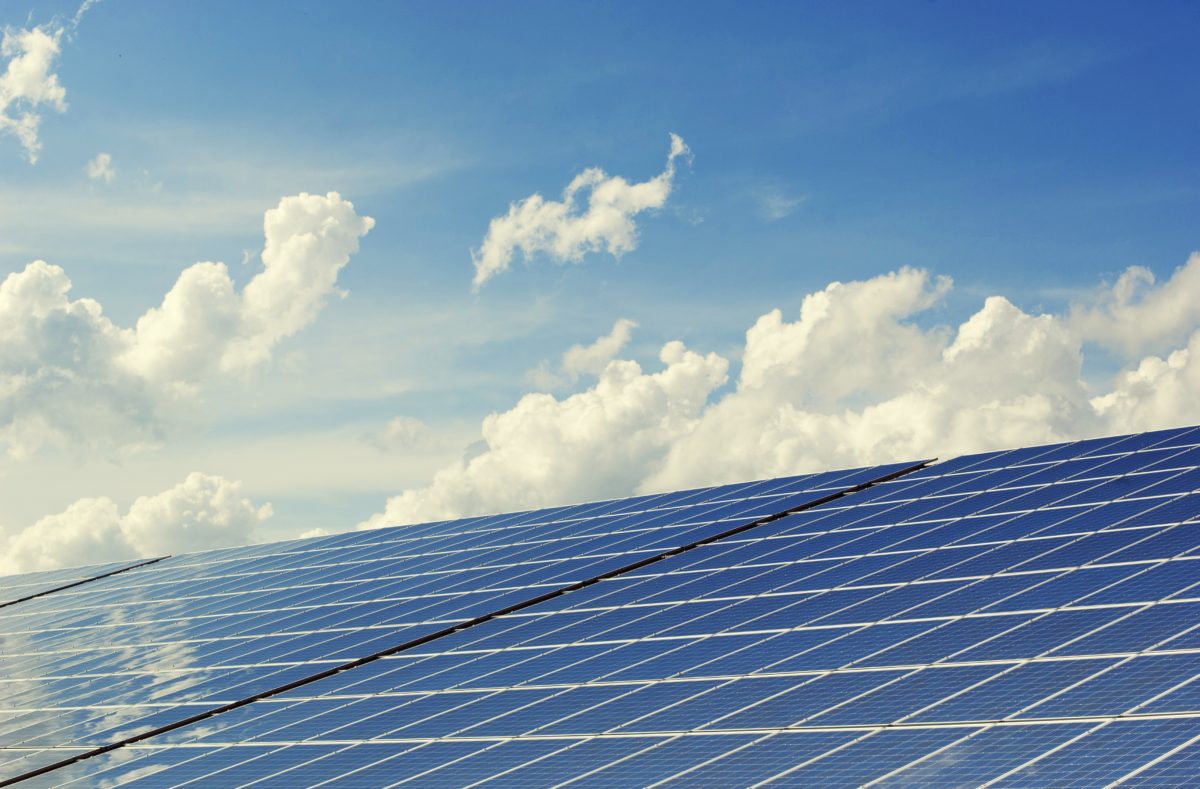





AI is increasingly used to monitor solar assets, though it’s most commonly used for operations and maintenance. But, software and inspection data is also being integrated into how projects are assessed for risk, insured and finance.
Rather than only screening for equipment failures, asset owners are starting to pay attention to smaller repeating issues or anomalies that can act as an entire portfolio’s silent killer.
“Microcracks, thermal hot spots and soiling may not cause complete failure but can degrade performance over time,” explained Vikhyat Chaudhry, the co-founder, COO and CTO of Buzz Solutions, which provides visual intelligence software for energy utilities. He told pv magazine USA that those kinds of issues build a strong case for performing longitudinal tracking and financial impact analysis in addition to just operations monitoring. “Small performance issues replicated across thousands of panels can materially impact yield.”
“You can detect very small deviations from the baseline across similar components, but precision becomes critical,” he added, as even a small false positive rate can have cascading impacts at scale. While AI can help detect these issues, he cautioned that it must be “tuned less for dramatic edge cases and more for subtle, systemic degradation across highly repetitive infrastructure.”
Historically, traditional inspection has struggled to obtain that level of detail. Drone flights and manual project reviews can provide snapshots, but they may not be as granular as needed to avoid blind spots. Infrequent inspections, a lack of panel-level visibility and slow, manual analysis can worsen that risk, Chaudhry noted.
Machine learning-powered software that can analyze visual data could be the key to closing those gaps. By automating defect detection at scale and analyzing thermal and RGB imagery, Chaudhry said that AI can quickly identify cracked cells, soiled panels and underperforming strings.
“This enables continuous, panel-level monitoring, faster diagnostics and prioritized maintenance,” he said, which not only improves energy yield, but also reduces inspection time and operational costs.
Plus, having that data around in the first place can be a boon. In Chaudhry’s experience, insurers are increasingly viewing AI-powered inspections as evidence of improved risk management. In some cases, this type of ongoing predictive maintenance can even lower premiums by acting as a type of proof point, he said.
“Inspection data and thermal imaging also increase transparency in claims, as there is a track record of what assets are damaged, when and how,” Chaudhry said. Still, absolute accuracy is essential for building trust in those systems, which are likely to become more important as solar deployment expands into less straightforward territories.
“In high risk regions, periodic inspections will likely become insufficient,” he said. “More frequent or near real time visibility into asset condition will be necessary.”
This content is protected by copyright and may not be reused. If you want to cooperate with us and would like to reuse some of our content, please contact: editors@pv-magazine.com.



By submitting this form you agree to pv magazine using your data for the purposes of publishing your comment.
Your personal data will only be disclosed or otherwise transmitted to third parties for the purposes of spam filtering or if this is necessary for technical maintenance of the website. Any other transfer to third parties will not take place unless this is justified on the basis of applicable data protection regulations or if pv magazine is legally obliged to do so.
You may revoke this consent at any time with effect for the future, in which case your personal data will be deleted immediately. Otherwise, your data will be deleted if pv magazine has processed your request or the purpose of data storage is fulfilled.
Further information on data privacy can be found in our Data Protection Policy.