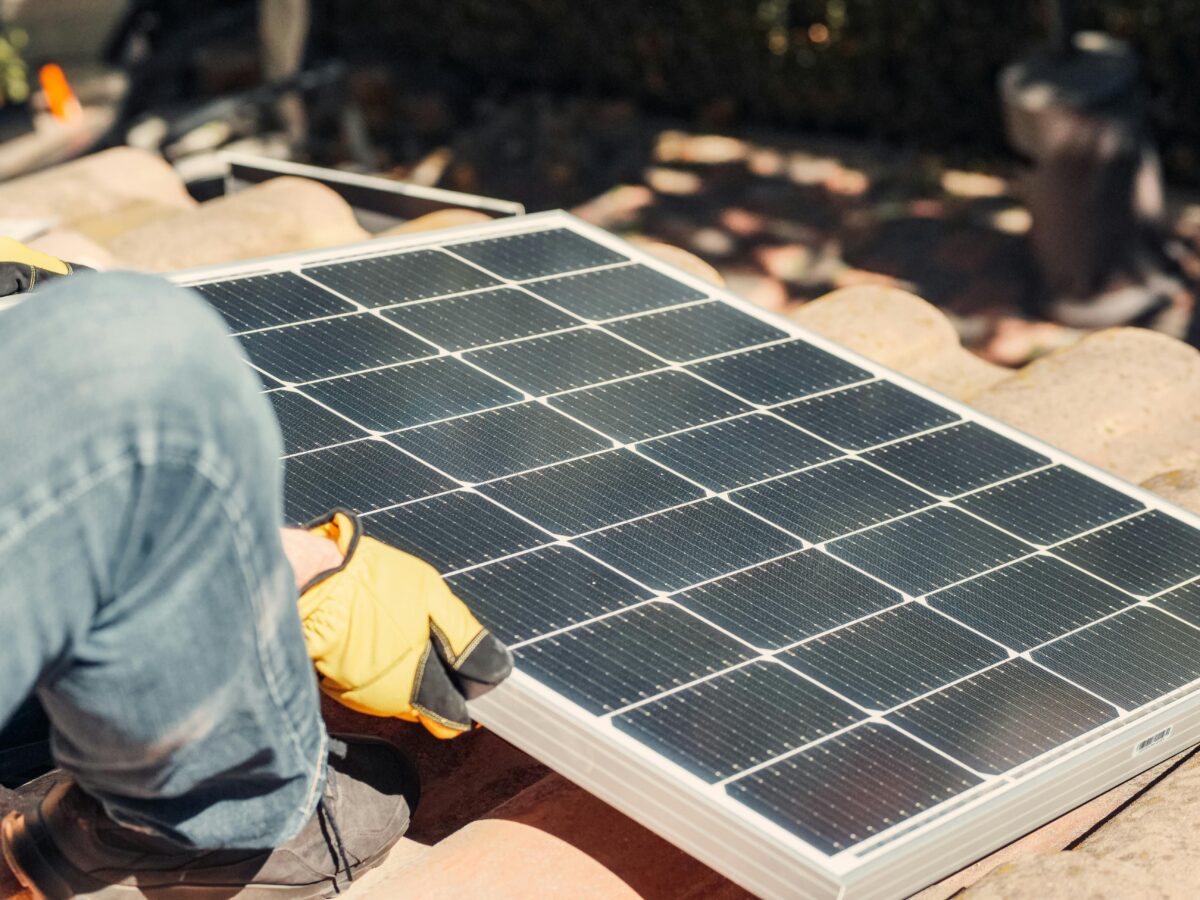





The Colorado House of Representatives passed HB26-1007 by a 48-16 vote, moving the state closer to enabling “plug-and-play” solar technology.
The legislation establishes a formal regulatory framework for small-scale photovoltaic systems that can be integrated into existing home wiring via a standard electrical outlet. By categorizing these units as personal property rather than permanent fixtures, the bill prevents homeowners’ associations and local governments from banning their use on balconies, patios, or porches.
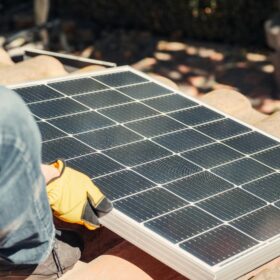
The bill defines plug-in solar as a distributed energy resource typically consisting of one to four panels and an internal inverter. To ensure grid safety and prevent hazardous islanding, all devices must meet the UL 3700 product safety standard.
The legislation also encourages the use of meter collars, devices installed between a meter socket and a utility meter, to provide immediate interconnection without the need for costly electrical panel upgrades. Meter collars eliminate the need for professional electrical work, which traditionally accounts for a significant portion of solar installation “soft costs”.
The policy opens a low-capital entry point for renters and residents of multifamily housing who lack the legal authority or structural space for traditional arrays. Representative Lesley Smith, D-Boulder, noted that the bill removes unnecessary barriers to make solar a reality for more residents.
If signed into law, Colorado would join Utah as a leader in deploying this technology, which has already seen widespread adoption in Europe. In Germany alone, approximately 4 million households have already installed similar plug-in solar systems.
“Traditional rooftop solar panels aren’t an option for most renters, and this makes it easier for Coloradans to lower their utility bills by generating their own clean, reliable energy,” Smith said. Representative Rebekah Stewart, D-Lakewood, added that the bill outlines necessary safety standards so more residents can take advantage of renewable energy at an affordable price point.
The broader context for this legislation involves a state-wide effort to reduce the “energy burden” on low-income households. Concurrent with HB26-1007, the landmark Senate Bill 26-107, or the Clean Energy for All Families Act, seeks to address the needs of over 300,000 Colorado households that spend more than 10% of their monthly income on utility bills. That bill proposes $100 million in annual funding to accelerate rooftop solar and weatherization services specifically for disproportionately impacted communities.
Following its 48-16 passage in the House, HB26-1007 now moves to the Senate for further deliberation and a final vote.
This content is protected by copyright and may not be reused. If you want to cooperate with us and would like to reuse some of our content, please contact: editors@pv-magazine.com.




It’s important to clarify that UL 3700 does not allow plug‑in solar to connect to “existing home wiring via a standard outlet,” as the article suggests. UL 3700 requires a dedicated, certified interconnection receptacle with specific circuit protections. That means homeowners cannot simply plug these systems into any outlet in their house. This requirement is a major barrier to adoption and makes U.S. plug‑in solar very different from the simple, low‑cost systems used in countries like Germany.
That may be, but the Colorado Bill specifically allows for plugging into a standard outlet, give it a read!
Joseph de Maistre (1753–1821) was a Savoyard philosopher, lawyer, and diplomat known for his “conservative views” and “advocacy of monarchy” following the French Revolution. He wrote in 1811 that “Every nation gets the government it deserves,” expressing the idea that a country’s government reflects the collective character, choices, and values of its citizens. This concept suggests that political outcomes are not solely imposed from above (God’s anointed one) but are shaped by the society itself, highlighting the responsibility of citizens in shaping governance. Colorado voters have chosen their representatives wisely and will be rewarded with lower electrical bills thanks to this legislation.