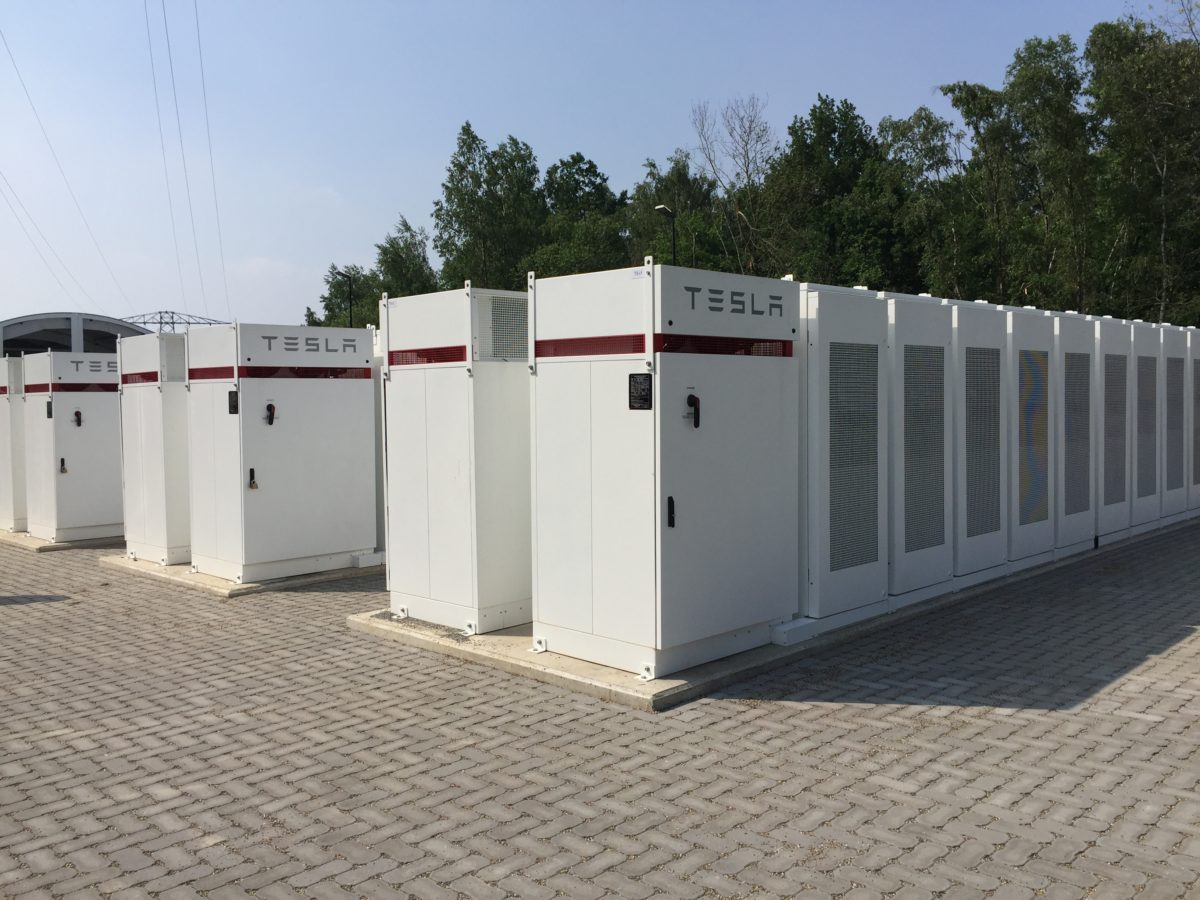





The U.S. Department of the Interior (DOI) has officially confirmed that Tesla is the customer behind a landmark $4.3 billion supply agreement with LG Energy Solution (LGES). The announcement, made during the Indo-Pacific Energy Security Summit, solidifies a strategic pivot for Tesla as it moves to onshore its supply chain for large-scale energy storage.
The deal was first hinted at in regulatory filings in August 2025. It involves the supply of lithium iron phosphate (LFP) battery cells manufactured at LGES’s facility in Lansing, Michigan.
While the initial filing only referred to an “unnamed overseas client,” industry analysts and pv magazine contributors had long pointed toward Tesla.
A primary driver for the partnership is the mitigation of rising U.S. tariffs on Chinese imports. By sourcing LFP cells from Michigan rather than China-based giants like CATL, Tesla ensures its Megapack energy storage systems remain cost-competitive and compliant with domestic content requirements under the Inflation Reduction Act (IRA).
LFP chemistry is particularly favored for stationary storage due to its safety profile and cycle life. It has historically been dominated by Chinese manufacturing.
The contract is set to begin on August 1, 2027, and run through July 31, 2030. Provisions within the agreement allow for a potential seven-year extension, which could see LGES supplying Tesla through 2037.
The Michigan-made cells will be integrated into Tesla’s Megapack 3 units at its assembly plant in Houston, Texas. This is expected to significantly reduce lead times and logistics costs for utility-scale solar-plus-storage projects across North America.
To meet the demand, LGES is converting its Lansing site into a specialized hub for prismatic LFP cells. Once operational, the site will make LGES the first global manufacturer to offer all three major form factors (pouch, cylindrical, and prismatic) from a single domestic footprint.
This content is protected by copyright and may not be reused. If you want to cooperate with us and would like to reuse some of our content, please contact: editors@pv-magazine.com.




By submitting this form you agree to pv magazine using your data for the purposes of publishing your comment.
Your personal data will only be disclosed or otherwise transmitted to third parties for the purposes of spam filtering or if this is necessary for technical maintenance of the website. Any other transfer to third parties will not take place unless this is justified on the basis of applicable data protection regulations or if pv magazine is legally obliged to do so.
You may revoke this consent at any time with effect for the future, in which case your personal data will be deleted immediately. Otherwise, your data will be deleted if pv magazine has processed your request or the purpose of data storage is fulfilled.
Further information on data privacy can be found in our Data Protection Policy.