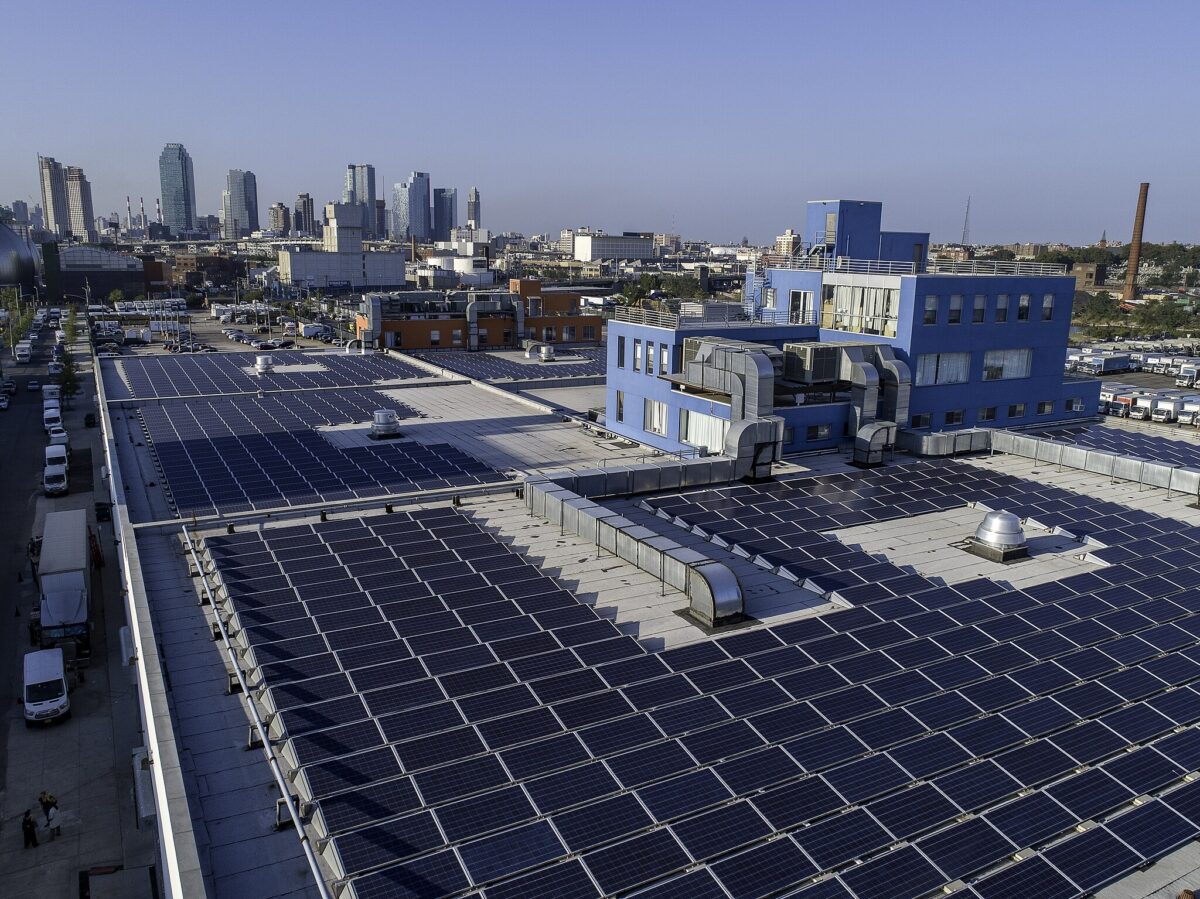





U.S. rooftop solar prices remain significantly higher compared to many other mature solar markets despite falling module, inverter and battery prices.
“The average American family is paying $36,000 for the same home solar system that an Australian family is paying $6,000,” Nick Josefowitz, the founder of the nonprofit Permit Power, told pv magazine USA. Permit Power focuses on reducing administrative barriers to rooftop solar and battery installations. He explained that the disparity reflects a shift in the cost structure of residential solar projects, as well as structural cost drivers.
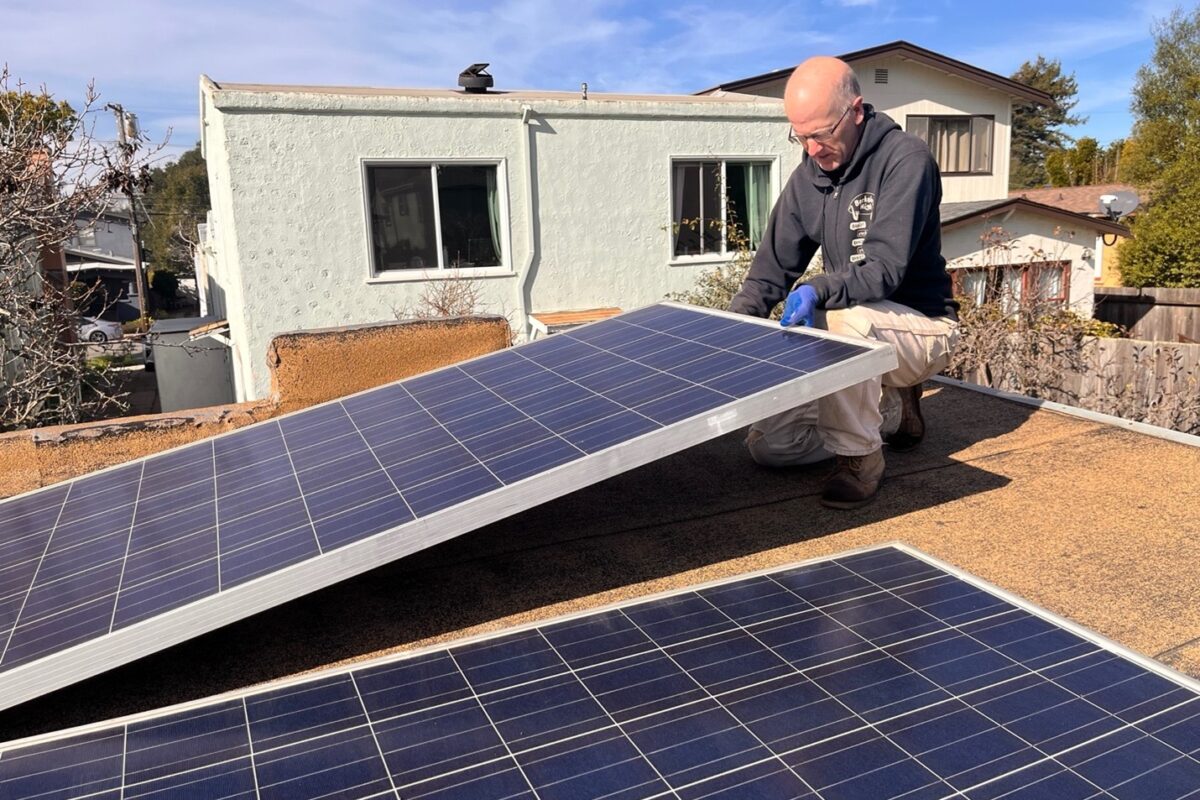
“[In the U.S.], hardware represents about 20% of the total cost of the home solar system, including tariffs,” Josefowitz said. Instead, he explained, the bulk of the cost of home solar systems can be chalked up to every bureaucrat’s favorite office tool: red tape. For residential solar, that most commonly looks like “odd code requirements and long, complicated permitting and interconnection processes.”
Updating those rules could be one way to reduce the headache and slash costs even despite the winding down of federal tax credits for owned and leased systems. Already, installers cite permitting barriers as the main reason for residential solar project cancellations, per Environment America. Many in the industry expect the relative importance of soft costs like permitting, inspection and interconnection to grow.
That’s likely why automated permitting is starting to gain ground, as Josefowitz noted instant permitting could reduce a typical residential system’s cost by a few thousand dollars. In effect, this could help offset the loss of federal incentives. Still, he cautioned that permitting automation represents only one component of a broader set of reforms that could affect deployment costs.
“The biggest cost reductions come when you’ve streamlined all the red tape that prevents a simple home solar and battery system being installed a few days after it was purchased, without needing to comply with any odd and expensive code requirements,” Josefowitz said, which he said includes fixing interconnection and local codes in addition to the permitting reform process.
Several states have begun mandating automated permitting platforms or standardized processes for residential solar and battery systems. Last summer, New Jersey lawmakers unanimously approved legislation for automated “smart solar” permitting, though legislation in many other states has stalled or fallen flat.
On a project-to-project level, some installers are already demonstrating how streamlined processes can affect system pricing.
“We are seeing more and more installers using automated and streamlined permitting to install home solar faster and cheaper and offer prices to families that are approaching $2/W,” Josefowitz noted, adding that, at “these price levels, a home solar system can be a real money-saver for many American families even without federal tax credits.”
More solar and storage deployment could also cut system-level electricity costs as distributed energy resources are increasingly integrated into grid operations.
“Utilities all over the country across hundreds of VPP programs have shown that the type of services provided by cheap home solar and batteries (along with greater home energy management) can play an important role in driving down the cost of power for all rate payers,” Josefowitz said, pointing out that DERs can also impact long-term grid infrastructure planning by helping to smooth peaks and serve loads locally.
With distribution grid costs being the main driver of electricity price increases over the last years, he said, solutions that can lower distribution grid spending are “especially important” right now.
Whether these potential benefits translate into widespread deployment will depend in part on how quickly states and utilities address remaining administrative barriers.
“The federal tax credits for lease systems expire in 2027,” Josefowitz said. “We have a deadline in front of us by when we need to have made real progress on cutting red tape to bring down the cost of home solar and batteries.”
This content is protected by copyright and may not be reused. If you want to cooperate with us and would like to reuse some of our content, please contact: editors@pv-magazine.com.




Permit Power has been central to advocating for state laws that mandate adoption of a named limited-functioning solution, SolarAPP+, while several of its founders serve as board members and Nick Josefowitz appears to have an investment interest in the same platform. That structural conflict deserves attention. The first priority by Permit Power should be to revisit and amend those statutes in California, Maryland, and elsewhere so that they no longer embed a preferred privately operated product into law.
Second, any permitting reform must be designed to preserve competition. Legislatures should set clear policy objectives and technical standards, then allow jurisdictions to select the best solution available. Naming a single private platform in statute or requiring adoption of a single state-run system (Permit Power’s most recent efforts) distorts the market and freezes innovation.
The irony is that the stated goal is to reduce soft costs and modernize permitting. Mandating a narrow “project app” or state-run system when more flexible and comprehensive compliance platforms already exist does the opposite. It substitutes policy favoritism for open competition and effectively turns the clock back on innovation in permitting technology.
Not a single example of a regulatory requirement and its cost