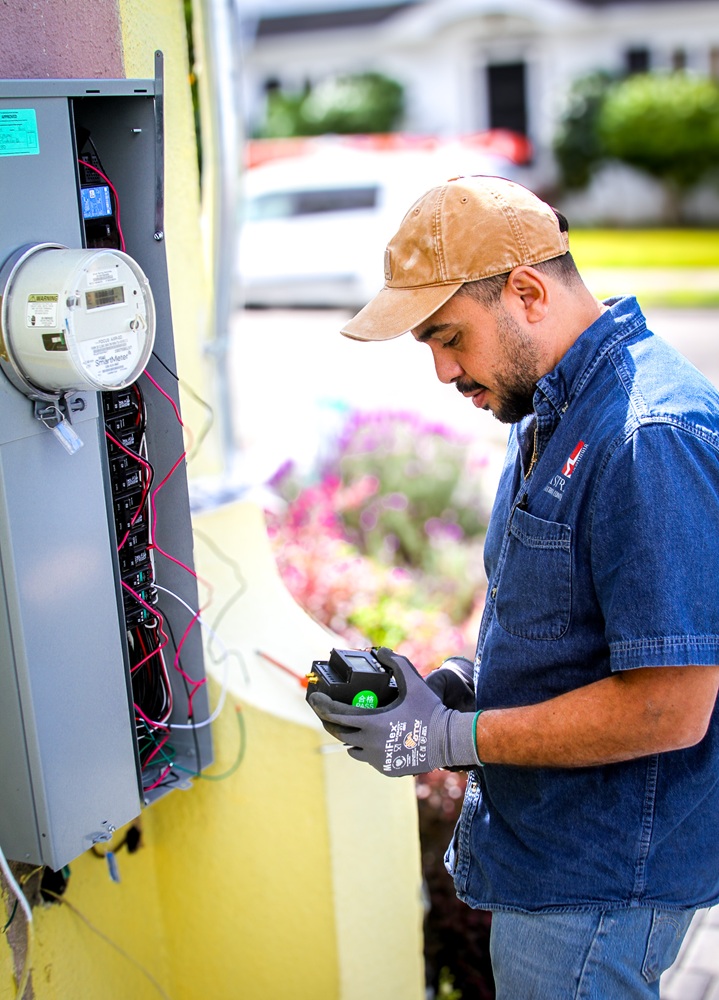





UL Solutions has released a white paper, “Interactions of Plug-In PV (PIPV) with Protection of Existing Power Systems”, which outlines the safety implications of consumers plugging solar panels directly into wall outlets, and guides for companies designing new products in this space.
Vice President of Principal Engineering, Ken Boyce, of UL Solutions spoke with pv magazine USA about some of these challenges, and their perspective on new technology.
UL’s timing was notable, as the organization moved quickly to develop a new certification, UL 3700, the Outline of Investigation for Interactive Plug-In PV (PIPV) Equipment and Systems, after the passage of Utah’s balcony solar law. The bill has since led to several other states considering similar balcony-solar legislation, notably California’s Senate Bill 868.
Source: UL Solutions
From the white paper, the three main risk factors analyzed are overcurrent protection, ‘touch safety”, and ground fault protection.
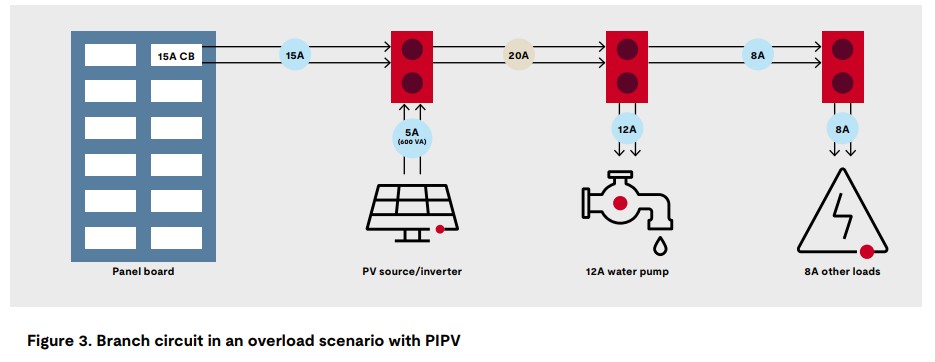
The graphic above highlights overcurrent-protection challenges, and shows how PIPV systems could enable a circuit to deliver more amperage than they are designed to handle. The electrical panel shown, with three outlets in a single circuit, is designed to allow up to fifteen amps of current. If the two connected devices — water pumps and other loads — draw their full twelve and eight amps respectively, the circuit breaker would trip, protecting the home as designed.
However, if a solar panel is installed and injects five amps into the circuit, it is possible for the two devices to meet their combined twenty-amp demand, while the circuit breaker will not detect an overload.
At risk are the conduit, wiring, and related components that are designed based on fifteen amps flowing through the circuit. While safety factors oversize conductors by 125% or more, those margins could be consumed by an approximately 33% increase in current.
Potential solutions to address the safety factors include a dedicated circuit for the solar system, replacing the first receptacle on the circuit with an oversized, solar-specific outlet, or connecting to a circuit with oversized conductors.
Boyce said, “We saw some of the things that were happening, for example, in Utah with their legislation pointing to UL certification, and we said, ‘OK, we’ll do some work on this.’ We conducted extensive laboratory testing, brought together a team of principal engineers and safety experts across disciplines, and took a deep look at the issue. That effort culminated in the white paper.”
Boyce emphasized that UL Solutions’ role is not to determine whether a particular technique is commercially viable, but rather to ensure safety outcomes are achieved.
We just want to make sure whatever happens, it’s safe.
The second category of challenges involve “touch safety.” Touch safety refers to designing products that are routinely handled by consumers as opposed to trained professionals during installation or servicing.
Source: UL
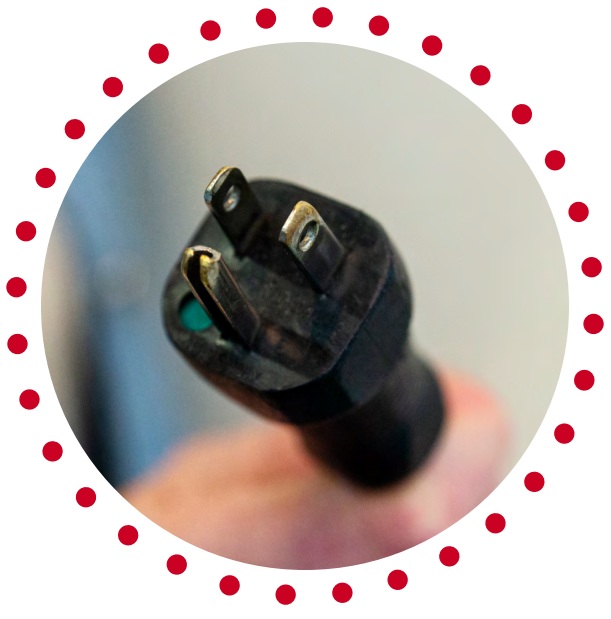
For example, the standard three-prong plug is a well understood and reliably tested interface and is used globally. However, it has not been evaluated as a source of electricity.
Additionally, there is a risk involving the inverter technologies that could be used in PIPV systems. UL notes that inverters include software based grid-performance functions, such as cessation of output during abnormal grid events, such as overvoltage, undervoltage, and loss of utility voltage. These hardware and software-based protections — commonly referred to as anti-islanding technologies — are not optimized for the type of frequent disconnections that may occur when systems are unplugged in residential settings.
When asked by pv magazine USA whether software solutions that monitor a 15-amp circuit or whole-home conditions could mitigate these challenges without significant hardware upgrades, Boyce said,
“If we’re trusting software or what we call functional safety, some combination of software in conjunction with hardware to accomplish a coordinated outcome, we want to make sure we’re confident in that. And there are ways for us to prove that out. I think when you talk about functional safety associated with directly mitigating an electrocution hazard for the public, there’s generally a different level of rigor about the way we conduct those evaluations.”
Boyce also noted that power control systems (PCS) were recently added to the National Electrical Code and that the described approach closely resembles how PCS technologies operate.
When we unleash smart people on how to solve a problem, we’ll get a lot of great ideas in the marketplace, and then we’ll evaluate them to make sure that they get that intended safety outcome, and then the market will decide which ones are the best products.
As of mid-January, Boyce said he was not aware of any PIPV kits that had completed the UL certification process. He was not surprised though, as UL 3700 was not released until mid-December.
Source: UL
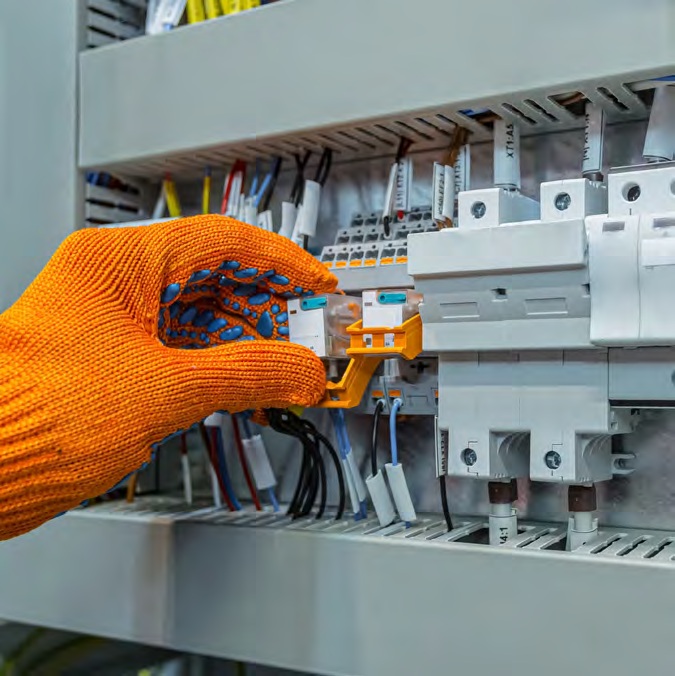
In the final risk category, UL identified concerns about how PIPV systems interact with ground-fault circuit interrupters (GFCIs). These devices are designed to protect people when wiring is damaged or when equipment is used in wet or damp locations. UL’s white paper notes that current code states, “NEC Section 210.8(A) requires outdoor receptacles to be on a branch circuit separate from other building loads, including indoor circuits.”
Since PIPV kits are commonly installed outdoors, exposed to weather, and moved regularly, it creates a significant risk factor. Proposed solutions include dedicated outdoor receptacles for PIPV systems or the use of unique plug and receptacle designs specific to these products.
Finally, pv magazine USA asked UL what motivated the organization to dedicate significant engineering resources to a technology that had only recently been legalized — and in just one state.
Boyce, “We’re a company that exists because of our safety science mission, working for a safer world, and we take that very seriously…This one was a little bit unique in the sense that the Utah legislation was moved forward and we said, okay, well, yeah, this is important…Sometimes we have a little bit more definitive interest from the marketplace before we get into that allocation of resources and especially our experts, but we saw that this was an important effort to undertake. And so we rolled up our sleeves again in the interest of our mission.”
This content is protected by copyright and may not be reused. If you want to cooperate with us and would like to reuse some of our content, please contact: editors@pv-magazine.com.




Craftstrom Solar has done the leg work on this already with NEC and UL certification for their plug in solar. They have a NEC smart breaker you plug into that can keep you from going into an overcurrent on a shared circuit.
All the issues raised by the UL folks could be addressed by creative engineering. For example: placing a plug-in-PV solar panel in a circuit with other devices pushing high amperage could cause the amperage running through the wires to exceed wire capacity – this could be solved many different ways such as having the plug-in-PV solar panel draw amps (equal to amps being placed on the wire) for 1 milliseconds every 1 seconds to validate that an over-amperage in the wires is not happening – this would trip the circuit breaker and a plug-in-PV solar panel wireless connection could notify the homeowner and provide recommendations. The small amount of energy taken from the house power could then be release back. I understand this approach that could be extended to handle all the “Key Trip Times and Scenarios”. I suspect other approach might use low power Spread spectrum/TDM (time-domain reflectometry) to measure changes in the wire diameter.