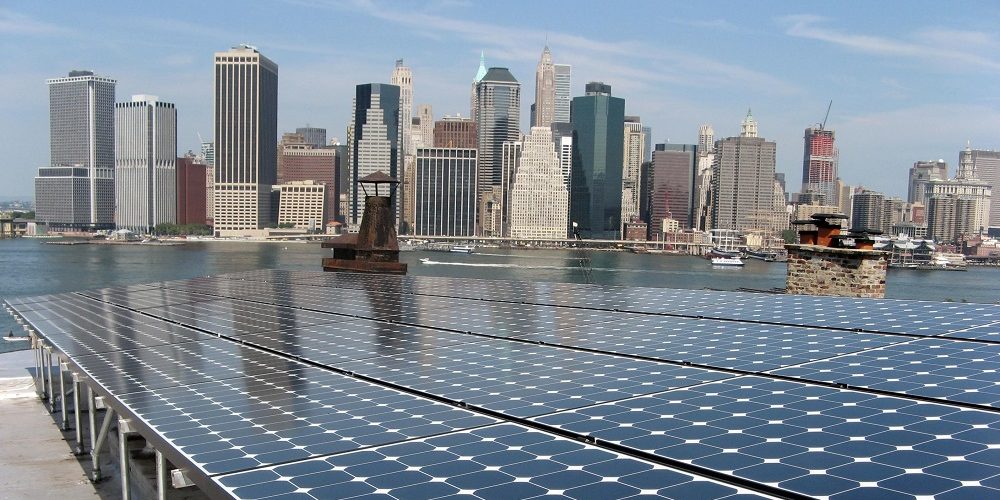





A report from Synapse Energy Economics found that New York could realize $1 billion in annual energy benefits by increasing its distributed solar target to 20 GW by 2035. The study compares a business-as-usual case of 12.9 GW against a policy-driven case to quantify the impact of local power generation and storage on wholesale markets.
The findings arrive as the state seeks to maintain momentum toward its Climate Leadership and Community Protection Act mandates amid delays in large-scale offshore wind projects.
The analysis shows that expanded deployment would lower average annual residential electricity bills by $87 for upstate customers and $46 for downstate customers. Savings result from a reduction in the wholesale market clearing price as zero-marginal-cost solar energy displaces more expensive fossil fuel resources.
The report notes that energy storage complements these solar additions by charging during periods of low demand and discharging during high-price evening hours.
According to the data, 56% of the projected energy cost savings occur during the winter months from November through March. This lines up with winter demand peaks, addressing concerns from the New York Independent System Operator regarding grid stress as the state transitions to electric heating. The study finds that distributed solar and storage provide capacity during evening hours in January and February when reliability events are most likely to occur.
The expanded target would lead to an estimated avoided 59 billion cubic feet of natural gas consumption for electricity generation in 2035 and an abatement of about 3.2 million metric tons of carbon dioxide emissions, which the report valued at $947 million in avoided social costs.
The Coalition for Community Solar Access, which commissioned the report, noted that the state has already achieved its initial 6 GW solar goal ahead of schedule.
Legislative proposals like the Accelerate Solar for Affordable Power (ASAP) Act are currently being considered to make the 20 GW target state law. Industry advocates argue that doubling down on distributed solar provides a predictable path for decarbonization while lowering costs for all ratepayers regardless of whether their home has a solar installation.
This content is protected by copyright and may not be reused. If you want to cooperate with us and would like to reuse some of our content, please contact: editors@pv-magazine.com.



By submitting this form you agree to pv magazine using your data for the purposes of publishing your comment.
Your personal data will only be disclosed or otherwise transmitted to third parties for the purposes of spam filtering or if this is necessary for technical maintenance of the website. Any other transfer to third parties will not take place unless this is justified on the basis of applicable data protection regulations or if pv magazine is legally obliged to do so.
You may revoke this consent at any time with effect for the future, in which case your personal data will be deleted immediately. Otherwise, your data will be deleted if pv magazine has processed your request or the purpose of data storage is fulfilled.
Further information on data privacy can be found in our Data Protection Policy.