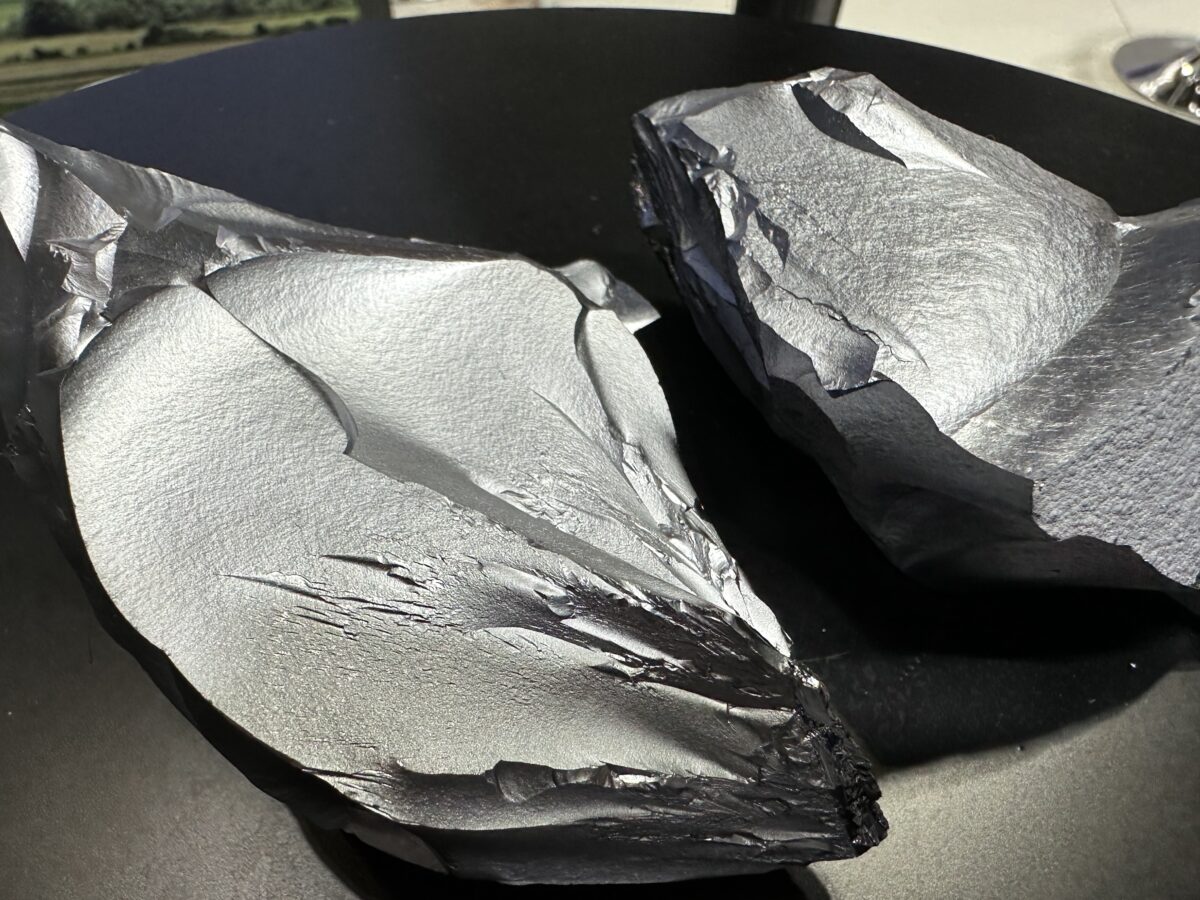





China’s Ministry of Commerce (MOFCOM) has extended the anti-dumping duties it imposed on solar-grade silicon imports from the United States and South Korea in 2014.
The duties range from 53.3% to 57% for U.S. producers and from 2.4% to 48.7% for South Korean companies and will remain in force for a further five years.
The affected U.S. manufacturers include REC Solar Grade Silicon LLC, REC Advanced Silicon Materials LLC, Hemlock Semiconductor Corp., MEMC Pasadena Inc., and AE Polysilicon Corp. South Korean producers subject to the duties are OCI Co. Ltd., Hankook Silicon Co. Ltd., Hanwha Solutions Corp., SMP Corp., Woongjin Polysilicon Co. Ltd., KCC Corp., Korean Advanced Materials (KAM Corp.), and Innovation Silicon Co. Ltd.
Many of these companies, however, no longer produce polysilicon for the PV industry.
The MOFCOM launched a review of the duties in January 2025.
At the time, it said 13 Chinese companies, led by Sichuan Yongxiang Polysilicon, requested the review, claiming that ending the duties could lead to renewed dumping of US and South Korean polysilicon and harm the domestic industry.
China first extended the duties in 2020 for five years. MOFCOM said the review request and evidence provided meet requirements for a final review. Initially set in 2014, duties on U.S. companies ranged from 53.3% to 57%, and for South Korean manufacturers from 2.4% to 48.7%.
In 2017, China adjusted the duties to 4.4-113.8%.
China excluded European polysilicon makers, primarily German producers, from the 2014 duties after reaching an agreement with Germany.
This content is protected by copyright and may not be reused. If you want to cooperate with us and would like to reuse some of our content, please contact: editors@pv-magazine.com.






By submitting this form you agree to pv magazine using your data for the purposes of publishing your comment.
Your personal data will only be disclosed or otherwise transmitted to third parties for the purposes of spam filtering or if this is necessary for technical maintenance of the website. Any other transfer to third parties will not take place unless this is justified on the basis of applicable data protection regulations or if pv magazine is legally obliged to do so.
You may revoke this consent at any time with effect for the future, in which case your personal data will be deleted immediately. Otherwise, your data will be deleted if pv magazine has processed your request or the purpose of data storage is fulfilled.
Further information on data privacy can be found in our Data Protection Policy.