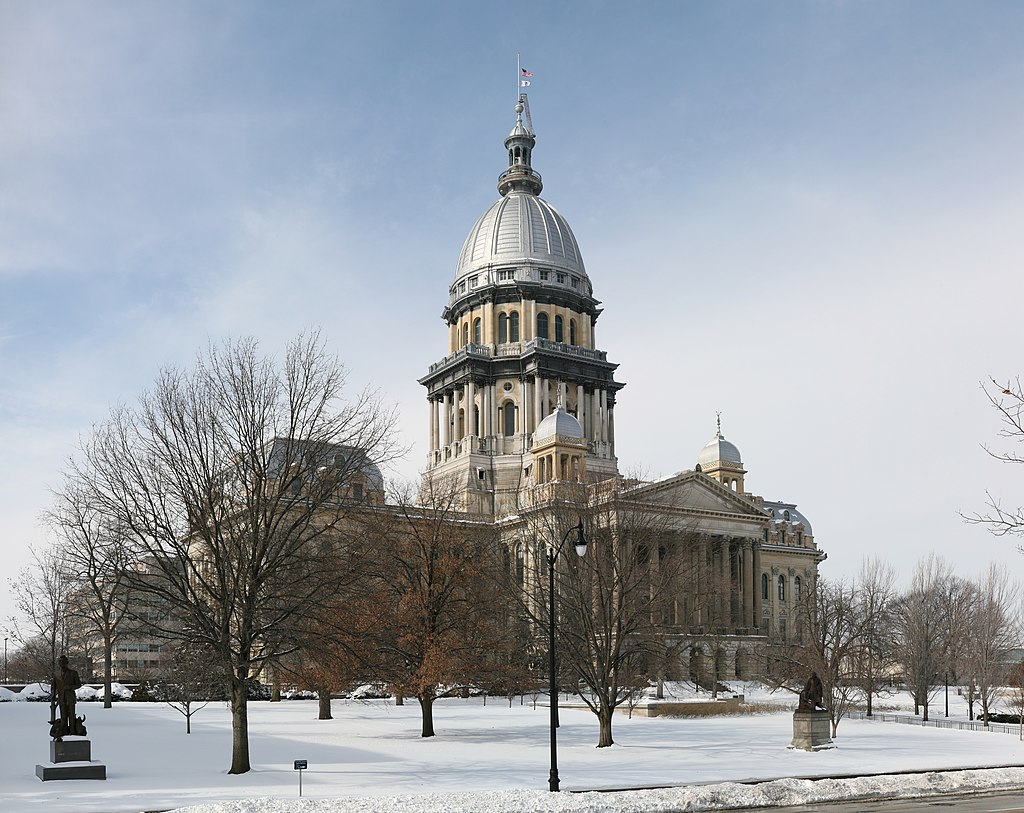





Illinois Governor Pritzker signed the Clean and Reliable Grid Affordability Act (CRGA), SB 25, into law that directs the Illinois Power Agency (IPA) to procure 3 GW of energy storage in 2027 and 2028, with the aim that projects will reach commercial operation by the end of 2030. The state currently has about 200 MW of grid-scale energy storage.
The bill goes a step further beyond the 3 GW by directing the IPA to procure additional energy storage through 2030 if the state’s integrated resource planning (IRP) process authorizes additional energy storage.
“The Illinois Power Agency supports the state’s goal for new energy storage projects and recognizes storage is a necessary component of Illinois’ clean energy future,” said IPA Director Brian Granahan. “In adding new supply through 3 GW of dispatchable energy storage, the benefits of these investments are anticipated to meaningfully outweigh their costs, ultimately making electricity more affordable for Illinois residents and businesses.”
Illinois is now the 13th state to adopt an energy storage procurement goal, according to Clean Energy States Alliance (CESA).
“The Clean and Reliable Grid Affordability Act sets a national standard in the effort to lower energy costs and marks a historic step forward in our clean energy vision” said Governor JB Pritzker. “Once again, Illinois is stepping up where the federal government is failing.”
The Illinois Power Agency (IPA) found that CRGA’s critical measures are expected to save Illinois energy customers $13.4 billion over the next two decades. Read more about the cost savings in Illinois to add 3 GW of batteries, saving consumers $12 billion over 20 years.
“We congratulate Governor Pritzker, the Illinois Legislature, and our colleagues at the Illinois Power Agency on their leadership in advancing clean energy,” said Todd Olinsky-Paul, a senior project director at CESA. ““Energy storage can reduce reliance on costly and polluting fossil fuel ‘peaker’ plants, integrate clean renewable power onto the grid, increase energy resilience, lower air emissions and support ratepayer affordability.”
In addition to setting the procurement goal of 3 GW, CRGA will lift the moratorium on new, large nuclear reactors and require utilities to create virtual power plant programs. CRGA also brings a new level of energy equity by requiring the utilities administering the state energy efficiency programs to meet a minimum level of spending for low-income households while removing the formula rates they receive for administering those programs. Furthermore, utilities will be required to offer time-of-use pricing to allow residential customers to pay less for power used outside of peak times, delivering immediate monthly savings for ratepayers who opt in.
The IRP process created by CRGA is an attempt to keep energy bills low. According to the Berkeley Lab report Best practices in integrated resource planning, an IRP is a plan that seeks an optimal combination of resources, from both supply and demand-side options, to satisfy future energy service demands in an economic and reliable manner. The Illinois General Assembly will also have a period of time to reject any Illinois Commerce Commission (ICC) decisions to raise rates.
Illinois’ energy storage mandate supports the state’s goal to achieve 100% clean energy by 2050, with renewable portfolio standard targets of 40% by 2030 and 50% by 2040. According to CESA, Illinois is one of 24 states, plus DC and Puerto Rico, with a 100% clean energy goal.
CRGA will take effect June 1, 2026.
This content is protected by copyright and may not be reused. If you want to cooperate with us and would like to reuse some of our content, please contact: editors@pv-magazine.com.





By submitting this form you agree to pv magazine using your data for the purposes of publishing your comment.
Your personal data will only be disclosed or otherwise transmitted to third parties for the purposes of spam filtering or if this is necessary for technical maintenance of the website. Any other transfer to third parties will not take place unless this is justified on the basis of applicable data protection regulations or if pv magazine is legally obliged to do so.
You may revoke this consent at any time with effect for the future, in which case your personal data will be deleted immediately. Otherwise, your data will be deleted if pv magazine has processed your request or the purpose of data storage is fulfilled.
Further information on data privacy can be found in our Data Protection Policy.