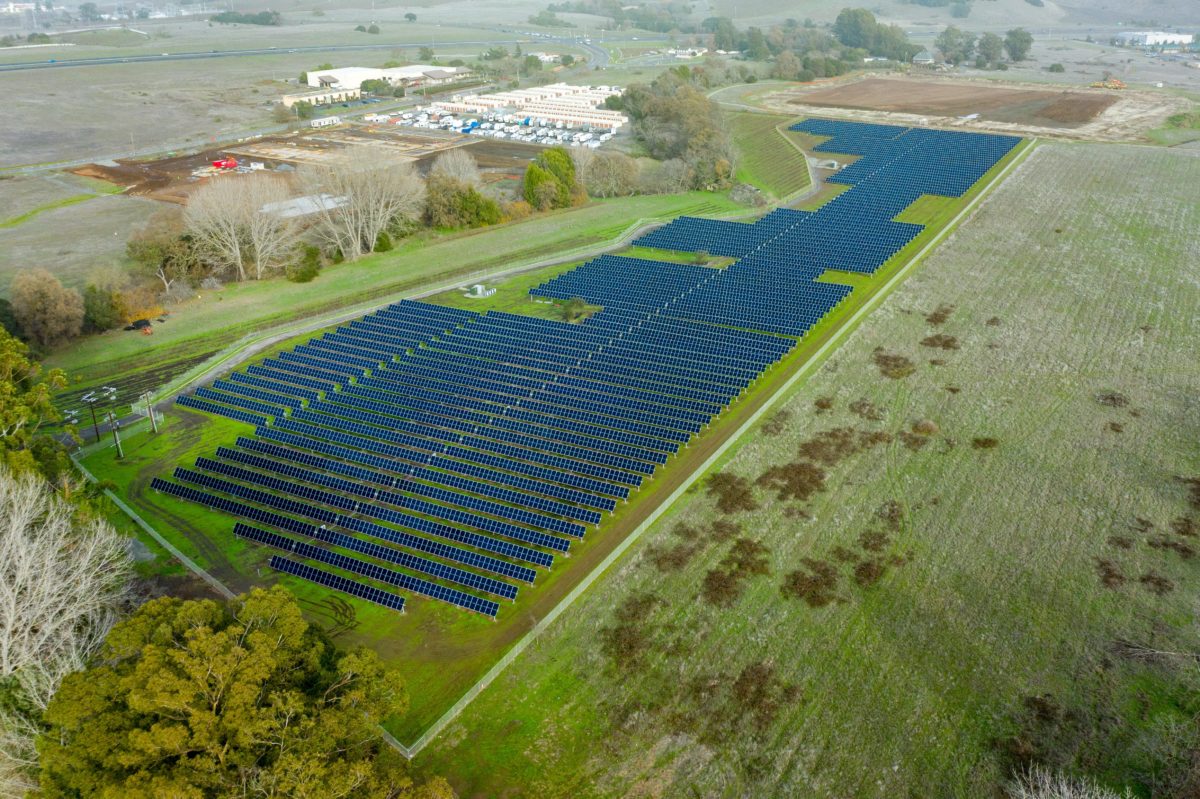





Renewable Properties secured a $40 million increase to its corporate capital facility from funds managed by AB CarVal. This transaction brings the total committed capital to $120 million. The company said it plans to use the investment to acquire new project opportunities and enter additional markets.
The developer currently manages a pipeline of 1.7 GW of solar and energy storage assets across 17 states. Its portfolio includes 300 MW of projects either in operation or under construction.
AB CarVal first invested in the company in 2020 and provided previous capital expansions in 2022 and 2023. The latest funding reflects the partnership between the two firms and the continued demand for small-scale utility and community solar projects.
The capital is also expected to support diversification into new technology sectors. Renewable Properties said it intends to develop powered land for edge data centers in metro locations throughout the United States. Powered land is real estate that has already secured the necessary electrical infrastructure and utility commitments to support high-power operations.
The strategy complements Renewable Properties’ existing work in energy storage and electric vehicle charging infrastructure.
AB CarVal operates as part of the private alternatives business of AllianceBernstein. The firm has deployed over $6 billion in energy transition investments since 2017.
Renewable Properties was founded in 2017 and focuses on local community energy solutions. The $40 million facility provides the liquidity necessary to accelerate project development and provide value for capital partners, said the company.
This content is protected by copyright and may not be reused. If you want to cooperate with us and would like to reuse some of our content, please contact: editors@pv-magazine.com.






By submitting this form you agree to pv magazine using your data for the purposes of publishing your comment.
Your personal data will only be disclosed or otherwise transmitted to third parties for the purposes of spam filtering or if this is necessary for technical maintenance of the website. Any other transfer to third parties will not take place unless this is justified on the basis of applicable data protection regulations or if pv magazine is legally obliged to do so.
You may revoke this consent at any time with effect for the future, in which case your personal data will be deleted immediately. Otherwise, your data will be deleted if pv magazine has processed your request or the purpose of data storage is fulfilled.
Further information on data privacy can be found in our Data Protection Policy.