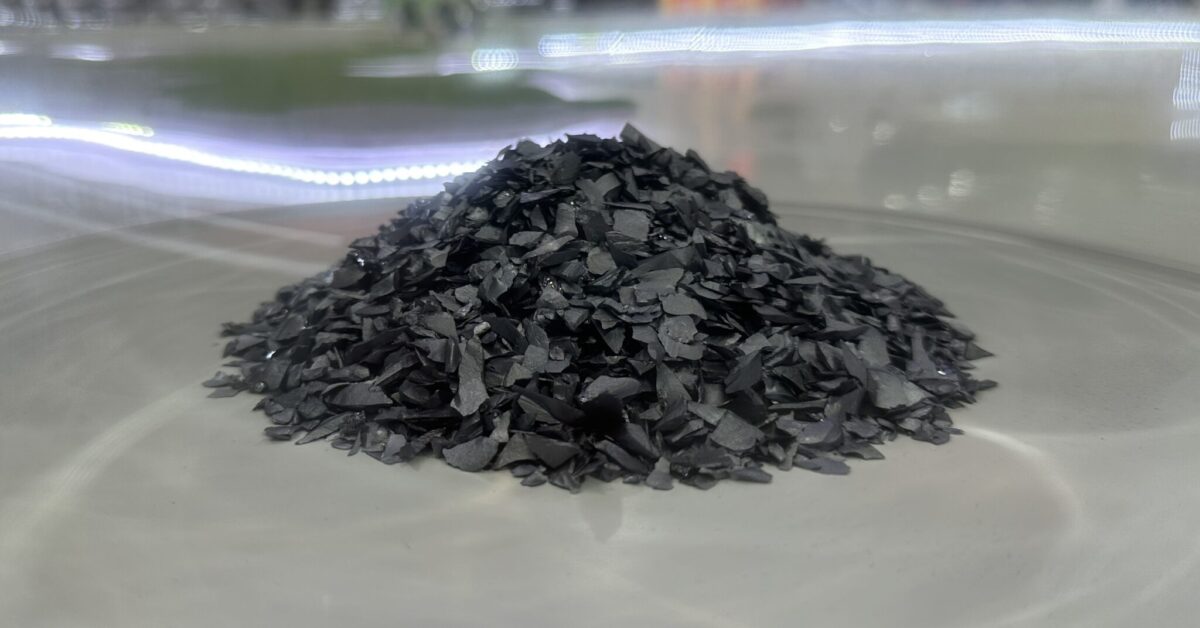





TOYO Co., Ltd signed a one-year agreement with an unnamed leading U.S. polysilicon manufacturer to supply its global manufacturing operations. The deal secures domestic raw materials for TOYO’s 2 GW solar cell plant in Ethiopia and its 1 GW module facility in Houston, Texas. TOYO said it plans to expand its Ethiopia capacity to 4 GW and its Texas module footprint to 2.5 GW later this year.
SEIA reports there is currently 33 GW of domestic polysilicon manufacturing capacity online as of late 2025. However, the U.S. has only 8.3 GW of active ingot and wafer manufacturing capacity operational.
TOYO’s supply agreement creates a dual-source supply chain intended to meet Foreign Entity of Concern (FEOC) compliance. Federal regulations under the One Big Beautiful Bill Act (OBBBA) took effect on January 1, 2026. These rules prohibit federal tax credits for projects using components linked to restricted foreign entities. By sourcing silicon from a domestic supplier, TOYO ensures its modules remain eligible for the 30% federal Investment Tax Credit.
Traceability has become a primary consideration in U.S. project viability. TOYO previously moved cell production to Ethiopia to bypass anti-dumping duties on Southeast Asian imports.
This latest polysilicon deal is expected to add a layer of regulatory protection against tightening domestic content standards. The company said it aims to provide a policy-aligned supply chain for U.S. developers facing a July 4, 2026, construction deadline.
According to the Solar Energy Industries Association (SEIA), there are three major suppliers of solar-grade polysilicon in the United States, including Hemlock Semiconductor in Michigan, Wacker Chemie in Tennessee, and REC Silicon in Washington.
This content is protected by copyright and may not be reused. If you want to cooperate with us and would like to reuse some of our content, please contact: editors@pv-magazine.com.







By submitting this form you agree to pv magazine using your data for the purposes of publishing your comment.
Your personal data will only be disclosed or otherwise transmitted to third parties for the purposes of spam filtering or if this is necessary for technical maintenance of the website. Any other transfer to third parties will not take place unless this is justified on the basis of applicable data protection regulations or if pv magazine is legally obliged to do so.
You may revoke this consent at any time with effect for the future, in which case your personal data will be deleted immediately. Otherwise, your data will be deleted if pv magazine has processed your request or the purpose of data storage is fulfilled.
Further information on data privacy can be found in our Data Protection Policy.