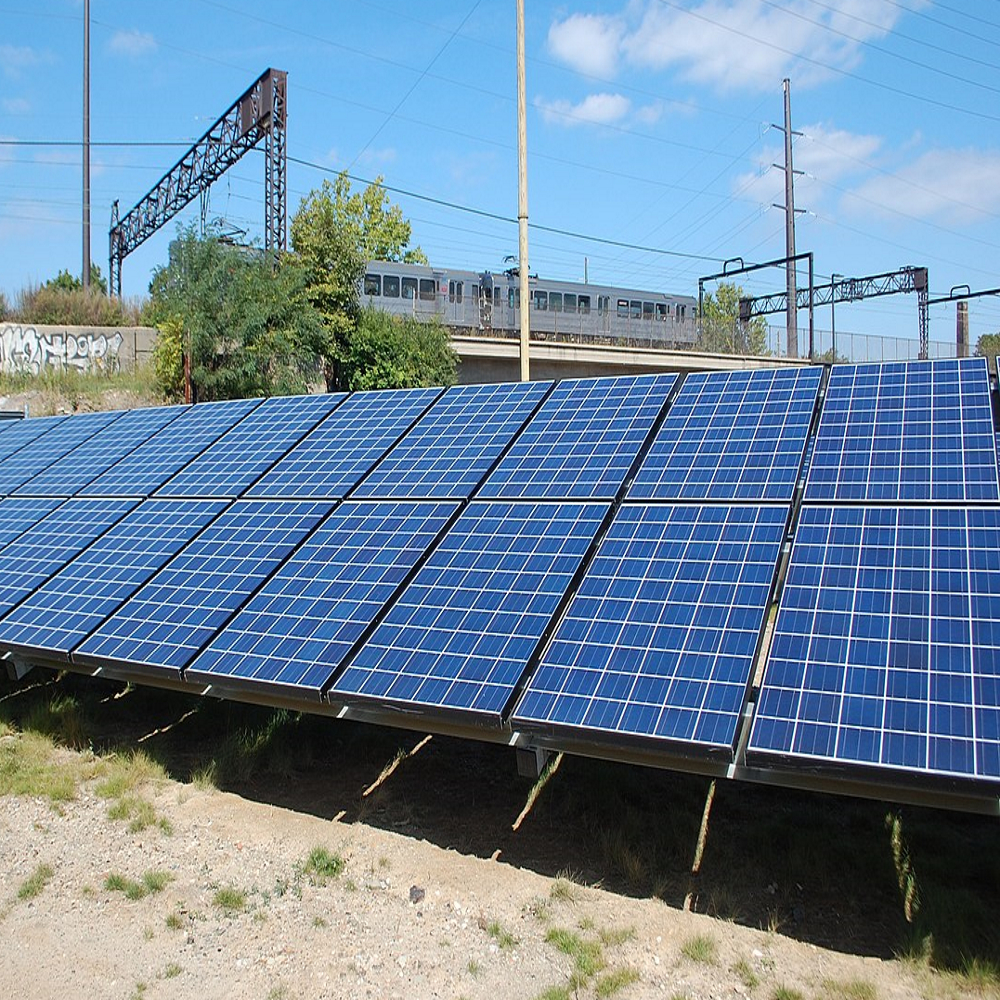





One 12 MW solar installation has so far resulted from five years of work under New York State’s Build-Ready program, which was created by a 2020 state law, the program reported in a five-year review.
The 12 MW project, now part of a multi-site portfolio being built by independent power producer CleanCapital, is located at an iron ore tailings pile in St. Lawrence County, New York. CleanCapital will provide the surrounding community with $1.7 million of payments in lieu of taxes and other community benefits.
The Build-Ready program, operated by the New York State Energy Research and Development Authority, received $3.42 million in auction proceeds for developing the 12 MW project to a stage that was attractive to private sector bidders, and expected $1.3 million in other revenues through year-end 2025. In comparison, the program’s expenditures over five years have been about $16 million.
NYSERDA said it plans to reimburse expended funds from a variety of sources, and will continue to run the Build-Ready program in accordance with statutory requirements through the end of 2030 using separate sources of funding.
The review says the Build-Ready team “found that very few sites in New York State both meet all of Build-Ready’s requirements (e.g. brownfield, landfill, no agricultural land, no competition with the private sector) and also can support economically viable large-scale renewable energy projects.”
Saying that “typical large-scale” renewables projects are at least 20 MW in size, the review says that most identified Build-Ready projects have been less than 10 MW in size, on sites of less than 20 acres.
To make a project larger, a renewable energy developer “needs to identify and secure surrounding property,” but “most of the available property surrounding Build-Ready sites (excluding land already in use for residential, commercial, or industrial purposes) is classified as active agricultural land.” Agricultural land is not available to the Build-Ready program.
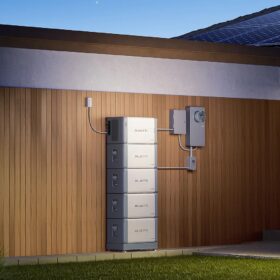
A 2024 amendment to the Build-Ready legislation gave the program authority to pursue development of bulk energy storage systems on build-ready site types, including “dormant” electric generators.
NYSERDA is authorized to award Tier 1 Renewable Energy Certificate (REC) contracts to successful bidders on Build-Ready renewables solicitations, at a price higher than REC prices for greenfield projects to account for the additional risk and costs of building on Build-Ready site types.
But the review said that forecasts showed that future Build-Ready REC prices “could be roughly double those for Tier 1 greenfield projects,” and that “these high REC costs would place a significant financial burden on New York State ratepayers.”
Under the federal OBBBA tax and spending law that accelerated the termination of tax credits for solar projects, future Build-Ready sites will not meet the new deadlines for tax credit eligibility, “which will make them more expensive,” the review says. “Building economically viable Build-Ready solar projects going forward will be even more difficult.”
The consulting firm Industrial Economics, in an assessment included in the review, said Build-Ready staff “have worked to find viable pathways for the program, and have explored everything from floating solar to parking lot solar, adjacent landfill siting, and ways to support other related technologies such as battery energy storage systems (BESS).”
The program’s review is titled “The Build-Ready Program Five Year Review, October 2020-September 2025.”
This content is protected by copyright and may not be reused. If you want to cooperate with us and would like to reuse some of our content, please contact: editors@pv-magazine.com.

By submitting this form you agree to pv magazine using your data for the purposes of publishing your comment.
Your personal data will only be disclosed or otherwise transmitted to third parties for the purposes of spam filtering or if this is necessary for technical maintenance of the website. Any other transfer to third parties will not take place unless this is justified on the basis of applicable data protection regulations or if pv magazine is legally obliged to do so.
You may revoke this consent at any time with effect for the future, in which case your personal data will be deleted immediately. Otherwise, your data will be deleted if pv magazine has processed your request or the purpose of data storage is fulfilled.
Further information on data privacy can be found in our Data Protection Policy.