





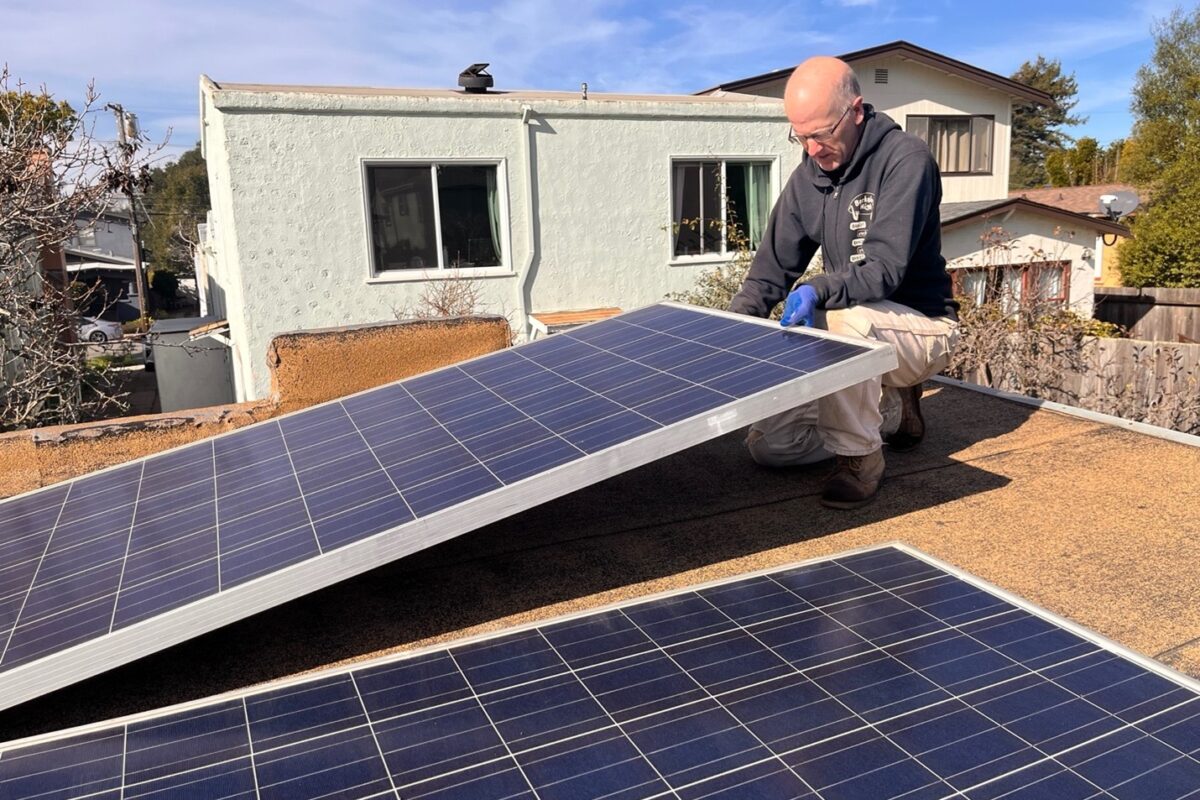
Researchers from Stony Brook University, in collaboration with Ecosuite and Ecogy Energy, have developed a self-supervised machine learning algorithm designed to identify physical anomalies in solar energy systems. The project aims to reduce operations and maintenance (O&M) costs, which remain a significant hurdle for project economics as the industry scales.
By leveraging historical datasets provided by Ecogy Energy, researchers Yue Zhao and Kang Pu trained the anomaly detectors using a holistic pipeline that integrates inverter performance with weather data. The approach avoids non-standard measures, instead opting for widely available generation and environmental data to ensure the tool remains operational across diverse data environments.
The study places a particular focus on long-term anomalies including the underlying physical issues that often evade the notice of asset managers until they result in significant downtime or hardware failure. When applied to updating solar generation and weather data, the detectors are designed to predict and diagnose these issues weeks or even years in advance.
“More accurate and timely awareness can greatly improve the efficiency and effectiveness of O&M practices,” the researchers noted.
The study outlines three primary areas of impact:
-
Efficient Scheduling: Site visits for maintenance personnel can be optimized to address specific detected issues, reducing unnecessary truck rolls.
-
Asset Longevity: On-time hardware maintenance can significantly prolong equipment lifetime and reduce the need for expensive, premature replacements.
-
Revenue Protection: By addressing system issues before they lead to failure, the loss of energy production can be minimized.
As solar portfolios grow, the ability to automate the detection of underperformance becomes critical. Recent industry data shows that U.S. solar facilities lost an average of $5,720 per MW to equipment issues in 2024 alone. These “software superpowers,” as researcher John Gorman calls them, provide advanced warnings directly from already-paid-for edge-compute hardware.
“Adding these software superpowers immediately creates value, but as part of a flexible ecosystem, our machine learning algorithms can also evolve,” said Gorman. “Being able to translate learnings from one system to the next is our next goal, unlocking value across a portfolio.”
The researchers believe that as these algorithms evolve, they will allow asset managers to transition from reactive maintenance to a proactive, predictive model that maximizes the financial and operational health of renewable energy assets.
This content is protected by copyright and may not be reused. If you want to cooperate with us and would like to reuse some of our content, please contact: editors@pv-magazine.com.






By submitting this form you agree to pv magazine using your data for the purposes of publishing your comment.
Your personal data will only be disclosed or otherwise transmitted to third parties for the purposes of spam filtering or if this is necessary for technical maintenance of the website. Any other transfer to third parties will not take place unless this is justified on the basis of applicable data protection regulations or if pv magazine is legally obliged to do so.
You may revoke this consent at any time with effect for the future, in which case your personal data will be deleted immediately. Otherwise, your data will be deleted if pv magazine has processed your request or the purpose of data storage is fulfilled.
Further information on data privacy can be found in our Data Protection Policy.