




In July, the U.S. Department of Interior (DOI) announced it will require “elevated review” by the Office of the Secretary for solar and wind project permitting.
Projects seeking leases, rights-of-way, construction and operation plans, grants, consultations and biological opinions have been subject to approval by U.S. Secretary of the Interior Doug Burgum.
Since the announcement, DOI and the Bureau of Land Management (BLM) have not advanced any utility-scale solar projects, essentially halting solar on public land, as well as private land that is affected by BLM’s purview.
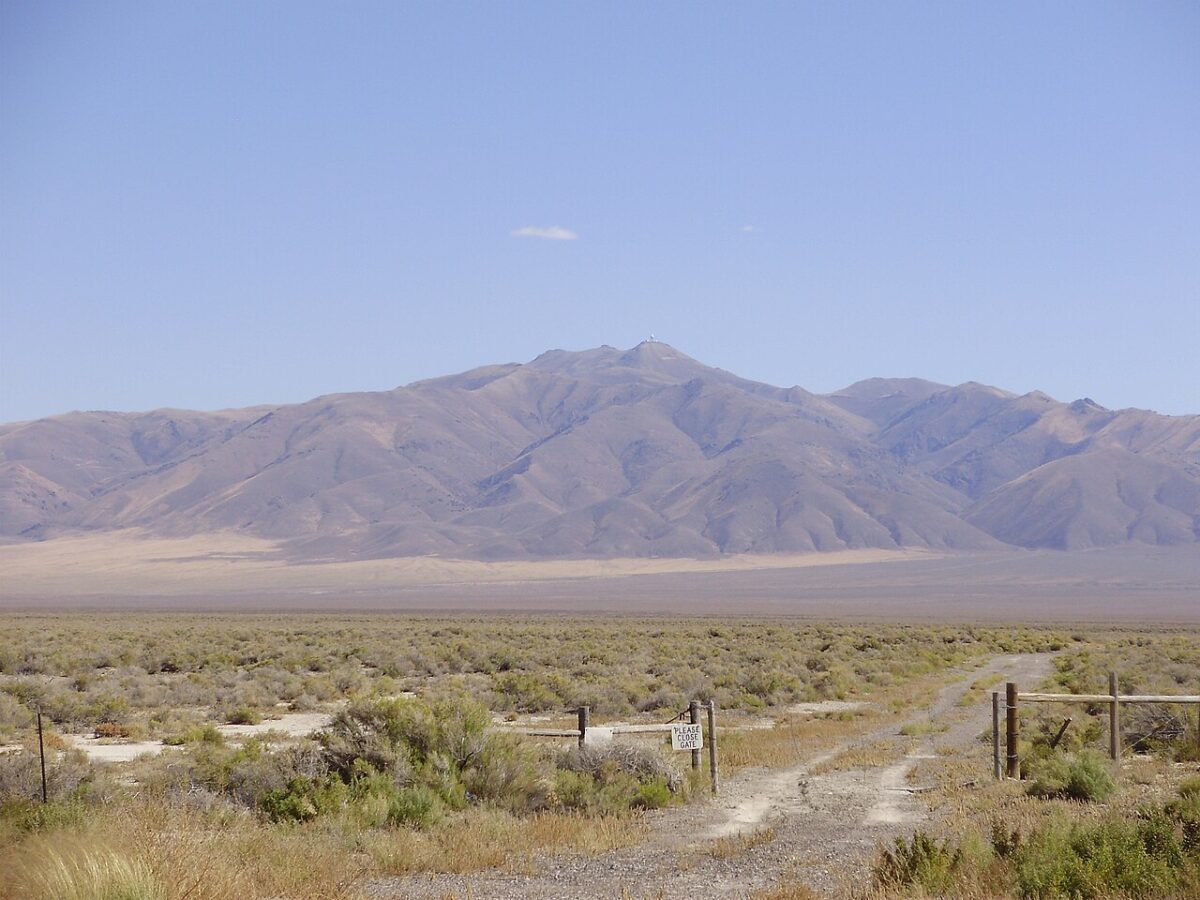
Now, BLM has approved amendments to the $2.3 billion Libra Solar Project in Nevada, marking its first advancement of a utility-scale solar project since the clampdown in July.
The project is among the largest in the United States, adding a planned 700 MW of solar and 700 MW / 2,800 MWh of battery energy storage. The project is expected to produce enough electricity for the equivalent demand of about 212,000 homes.
The advancement potentially marks a milestone for solar on public lands, which have been under a “near complete moratorium on permitting,” according to a letter signed by 143 prominent solar businesses delivered to Congress this month.
The solar industry is suffering from obstructed permit approvals and project cancellations. For example, Nevada’s Esmeralda 7 project, the largest solar project in U.S. history by a large margin, was axed by BLM in October. The 6.2 GW solar project would have added enough electric generation capacity to power nearly 2 million U.S. homes. For context, the largest solar project in the U.S. is the Mammoth solar project in Indiana, a 1.3 GW currently project being built in phases.
The Solar Energy Industries Association estimates that over 500 projects in the development pipeline across the country are in danger of delays or cancellation as a result of political attacks, based on its analysis of data from the Energy Information Administration.
Eighteen states have over 50% of their planned electricity capacity at risk of being blocked. Many of these states, including Texas, Virginia, Arizona, and Nevada, are expected to lead the country in energy-intensive data center growth. The report from SEIA tracks planned capacity and what is at risk state-by-state on a dashboard here.
If everything remains on track groundbreaking for the Libra Solar project is scheduled for early 2026, with the commercial operations date planned before the end of 2027.
This content is protected by copyright and may not be reused. If you want to cooperate with us and would like to reuse some of our content, please contact: editors@pv-magazine.com.




By submitting this form you agree to pv magazine using your data for the purposes of publishing your comment.
Your personal data will only be disclosed or otherwise transmitted to third parties for the purposes of spam filtering or if this is necessary for technical maintenance of the website. Any other transfer to third parties will not take place unless this is justified on the basis of applicable data protection regulations or if pv magazine is legally obliged to do so.
You may revoke this consent at any time with effect for the future, in which case your personal data will be deleted immediately. Otherwise, your data will be deleted if pv magazine has processed your request or the purpose of data storage is fulfilled.
Further information on data privacy can be found in our Data Protection Policy.