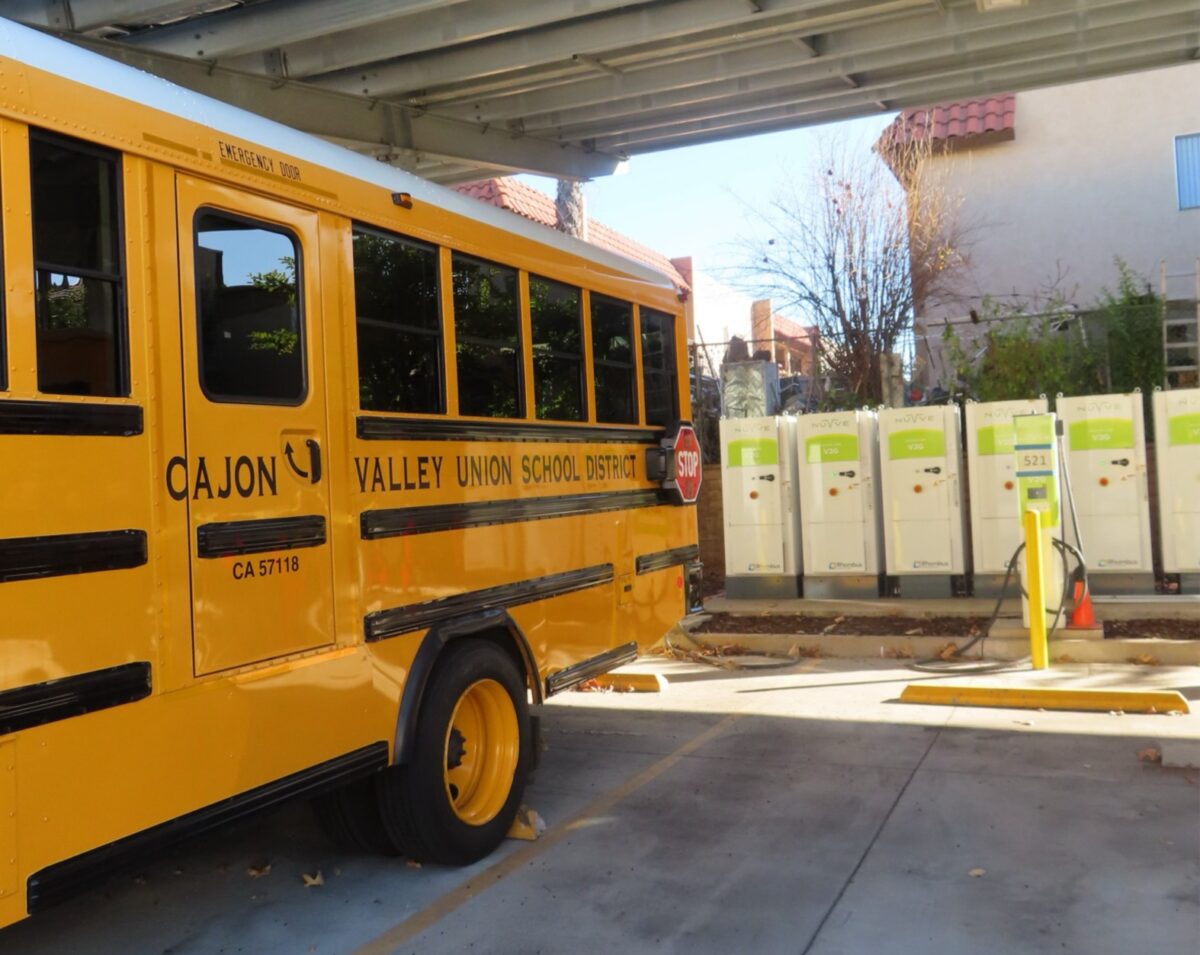





Battery-based energy storage systems serve the grid primarily in the form of stationary facilities. At the same time, the proliferation of mobile batteries for electric vehicles has created both new demands on generation and potential new sources of grid-connected power. The need to manage EVs and the grid has spurred the development of vehicle-to-grid (V2G) technologies and policies.
California-based energy management company Nuvve has released a new report on its 2026 outlook for the V2G battery aggregation market, its drivers and challenges. The company says V2G has moved from pilot projects to an increasingly essential part of multi-asset energy systems that combine mobile, stationary and building-based batteries into unified management platforms.
The evolution of V2G services is occurring against the backdrop of the expiration of the federal $7,500 EV tax credit in September. While this has slowed EV adoption, it has also accelerated the focus on grid modernization to incorporate EVs. “Fleet operators, school districts, and utilities are now the primary adopters of V2G and battery-aggregation technologies,” the report said.
The authors note that in June 2025, Maryland adopted the nation’s first comprehensive V2G interconnection rules, which enabled Sunrun and Baltimore Gas & Electric to launch a vehicle-to-home aggregation program that linked dozens of households into a dispatchable power network.
Nuvve reports that seven states have subsequently joined Maryland in enacting or proposing legislation to advance V2G and aggregated battery systems. In February, the company embarked on a collaborative pilot with Resource Innovations and ComEd to explore bidirectional charging of electric school buses in northern Illinois. The company announced that New Mexico had awarded it a $400 million contract to provide electrification management systems in support of the state’s zero-emission vehicle and renewable energy goals.
Electrified vehicle fleets are a key candidates for incorporation into V2G networks. Electric school bus provider First Student told pv magazine USA that the fleets operate on predictable schedules that can be coordinated with the utility to make recharging more efficient for everybody concerns. Also, fleets connected to bi-directional chargers can become a resource for the utility to draw on during peak demand times.
Nuvve’s outlook report said artificial intelligence will have an enabling effect on the creation of effective V2G networks. “AI, when paired with V2G data, enables predictive dispatch, dynamic fleet scheduling and real-time pricing optimization, turning power management into an intelligent marketplace,” the report said.
This content is protected by copyright and may not be reused. If you want to cooperate with us and would like to reuse some of our content, please contact: editors@pv-magazine.com.







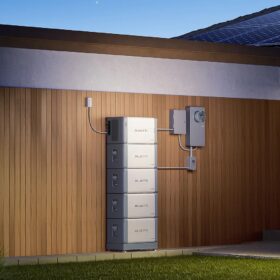
Piclo Accelerated Community Energy already provides a transparent marketplace for surplus energy from widely distributed solar parking lot canopy microgrids to be efficiently traded, reducing grid transmission spending otherwise required to serve peak and night time demand on local distribution grids.