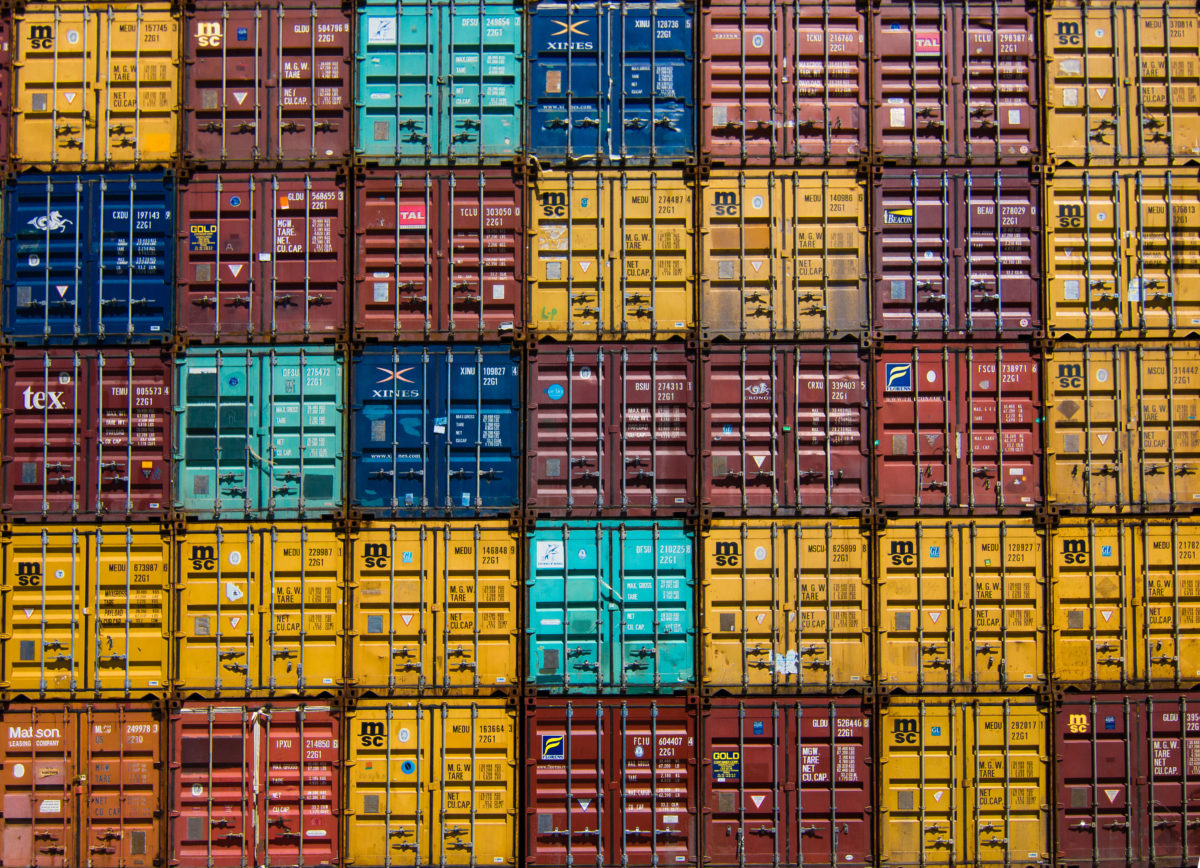





The United States Trade Representative (USTR) has extended the exclusion of certain classes of hardware, including solar manufacturing equipment, from the Section 301 import tariffs. According to the USTR, the 178 exclusions were set to expire on November 29, 2025; however, the agency has extended them to November 10, 2026.
In the political section of the USTR press release, the extension comes “in light of” the “trade and economic deal” reached between the United States and China on November 1, 2025.
The extensions were granted due to the limited availability of many of the covered items outside of China. The USTR notes that its decision followed public discussions that began in 2024. The agency says that 147 of the approved exclusions received comments supporting an extension, stating that the products “continue to be available only in limited quantities outside of China and additional time is needed to shift sourcing outside of China.” Ten of the exclusion items received comments opposing the extensions.
The excluded equipment covers a range of machinery needed to manufacture solar panel subcomponents. According to the original USTR list, the items include:
- Silicon-growth furnaces for growing monocrystalline silicon ingots
- Band saws designed for cutting or slicing cylindrical monocrystalline silicon ingots
- Diamond wire saws designed for cutting or slicing square or rectangular monocrystalline silicon ingots
- Coolant-fluid recycling machines
- Texturing, etching, polishing, and cleaning machines designed to prepare, repair, clean, etch, polish, or texture solar wafer substrates
- Plasma-enhanced or low-pressure chemical vapor deposition machines designed to deposit amorphous or nanocrystalline layers on one or both wafer surfaces
- Physical vapor deposition machines
- Screen-printing line machines, including sintering furnaces, for printing conducting contacts (silver) on both surfaces of a solar wafer
- Machines designed for transporting polysilicon to growth furnaces and for lifting, handling, loading, or unloading solar wafers up to 200 micrometers thick
The Section 301 tariffs were put in place by the Biden administration. In May 2024, the administration doubled tariffs on solar cells imported from China from 25% to 50%. In December, the White House doubled the 25% tariff on polysilicon to 50% and added solar wafers to Section 301, also setting the tariff at 50%.
Other products covered under Section 301 include a 100% tariff on Chinese electric vehicles (EVs), a 25% tariff on EV batteries, a 25% tariff on non-EV batteries beginning in 2026, and a 25% tariff on steel and aluminum products.
This content is protected by copyright and may not be reused. If you want to cooperate with us and would like to reuse some of our content, please contact: editors@pv-magazine.com.


By submitting this form you agree to pv magazine using your data for the purposes of publishing your comment.
Your personal data will only be disclosed or otherwise transmitted to third parties for the purposes of spam filtering or if this is necessary for technical maintenance of the website. Any other transfer to third parties will not take place unless this is justified on the basis of applicable data protection regulations or if pv magazine is legally obliged to do so.
You may revoke this consent at any time with effect for the future, in which case your personal data will be deleted immediately. Otherwise, your data will be deleted if pv magazine has processed your request or the purpose of data storage is fulfilled.
Further information on data privacy can be found in our Data Protection Policy.