Solar and storage are central to Trump energy priorities
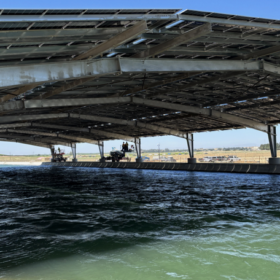
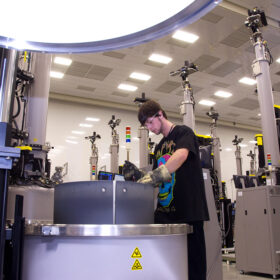
Four reasons why the U.S. must deploy low-cost solar and battery storage to meet surging electricity demand and achieve national energy dominance.
Republicans pushing for clean energy tax credit: “We think [Trump] is getting bad advice”
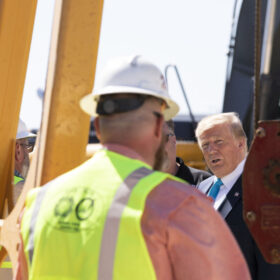
U.S. Rep. Brian Fitzpatrick is publicly pushing to reinstate wind and solar tax credits eliminated under the OBBB, as Republicans face potential challenges in upcoming midterm elections.
Appeals panel backs EPA clawback of federal solar grants
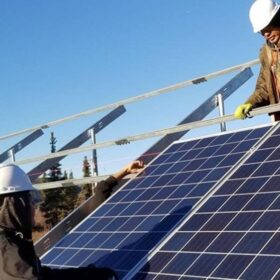
The decision recognizes leeway for the Trump administration to determine how best to administer a prior legislative initiative – namely, federal grants for clean-energy projects.
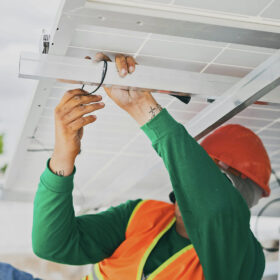
Solar tax credit cliff tightens project deadlines
U.S. project developers face a shrinking timeline as federal investment and production tax credits are set to end early, and new import restrictions target Chinese components.
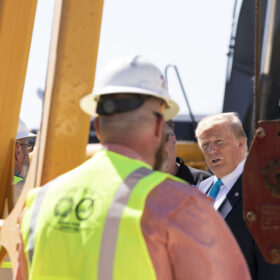
U.S. could lose 60 GW of solar if Trump’s “start of construction” rules tighten
Clean Energy Associates forecasts a significant drop in solar installations if the Department of Treasury strictly enforces an executive order from the White House related to timelines for tax credit eligibility.

Trump administration EPA to claw back $7 billion Solar For All funds
The grant funds are disbursed to state programs that provide solar energy access to low- and moderate-income families.
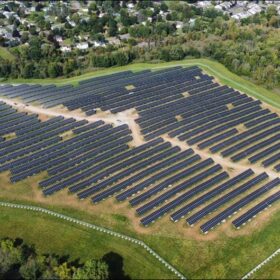
U.S. solar projects face development crunch while Canada says “Build, baby, build”
Solar developers prioritize advanced-stage projects in the U.S. due to tightened tax credit deadlines, while projects in Canada are “full speed forward.”
Navigating FEOC restrictions on energy projects
Foreign entity of concern (FEOC) rules deny tax credits for projects that exceed using certain thresholds of Chinese products.
Trump executive order adds harsher cuts to solar and wind tax credits
The order tightens the deadline for project tax credit eligibility and orders the Treasury to apply enhanced Foreign Entity of Concern restrictions to imports.
Solar’s ‘remarkable’ boom in Trump country
A wave of solar projects and manufacturing investments have poured across states that voted for Trump last November.