Dominion plans 16 GW of solar for Virginia by 2035
Under the utility’s latest IRP, Dominion plans to procure 16 GW of solar, 2.7 GW of storage and 5.1 GW of offshore wind in the next 15 years. Kicking off these new plans comes a request for proposals of 1 GW of solar or wind and 250 MW of energy storage.
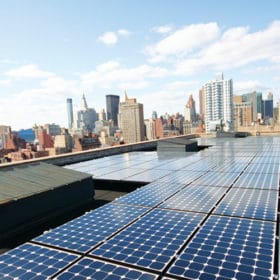
How New York awarded more solar than 34 states have installed
The results of NYSERDA’s most recent renewable energy request for proposals are in. 21 large-scale renewable projects totaling 1,278 MW in new capacity have been awarded, with 17 of those projects and 1,090 MW being solar.
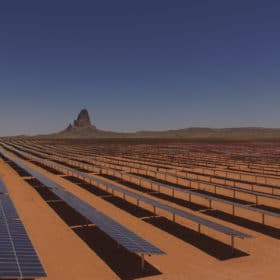
Arizona utility seeks 400 MW of solar power, 200 MW of it on Navajo tribal lands
Salt River Project has released an RFP requesting up to 400 MWac, in 100 MW or 200 MW increments, of solar power purchase agreements to be delivered before the end of 2023.
Google’s reverse auctions net 1.2 GW of renewables in 60 minutes
Google pre-qualified bidders and used reverse auctions to obtain the lowest price for renewable energy. Reverse auctions for corporate purchases could potentially benefit solar developers, if their transparency and simplicity can influence more corporations to procure green power.
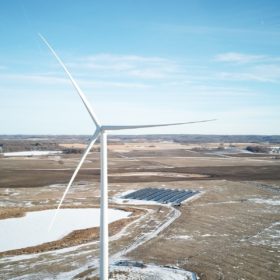
Michigan utility seeks 775 MW of wind and – maybe – solar power
DTE Energy has issued a request for proposals for 775 MW of renewable energy to be built in state, and turned on sometime between the beginning of 2021 and the end of 2023.
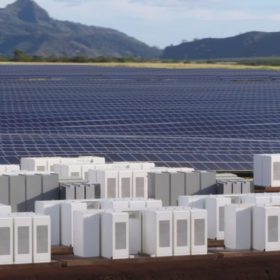
Massive HECO solicitation will bring 900 MW of renewables to Hawaii
In an effort to replace two aging power plants, Hawaiian Electric Industries has launched a roughly 900 MW procurement, the largest in the utility’s history, across the islands of Oahu, Maui and Hawaii.
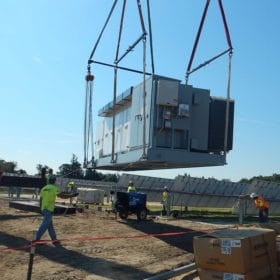
Ten days left to register for 500 MW of wind and solar power in Virginia
Dominion Energy is seeking 500 MWac of solar power and onshore wind, the second equally-sized installment of its rolling 3 GW clean energy procurement. The utility wants projects between 5 and 500 MWac, with an intent to bid due on August 15.
APS announces wind, solar RFP amid pressure for 100% clean energy
The Arizona utility has announced two solicitations that will increase its renewable energy portfolio to 2.5 GW by 2021, as a coalition of more than two dozen groups submits a proposal for a shift to 100% clean energy.
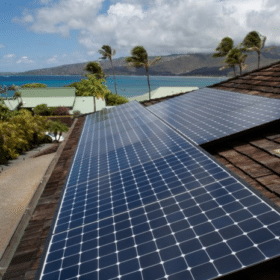
Hawaii utilities seek more renewables, storage and now grid services too
Hawaiian Electric Companies has laid out plans to source the equivalent of 135 MW of solar and 1,378 MWh of energy storage – as well as load shifting and frequency response from distributed energy resources through aggregators.
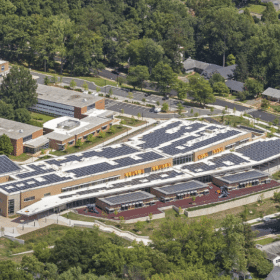
Solar on schools advances with open source contracting
With every new solar-on-schools contract, more people learn how it’s done, share what they know, and make it easier for neighboring school districts to follow the same path. U.S. schools could host up to 30 gigawatts of solar.