Duke Energy settlement saves consumer-sited solar
Consumers will no longer be faced with drastic fixed-rate utility bill increases.
Duke low-balls renewable energy in its climate plans
The southern power giant’s stunningly unambitious plan for increasing renewable energy generation may be the result of keeping inflexible nuclear power online for unheard-of timelines.
The Carolinas lead as solar booms in the Southeast
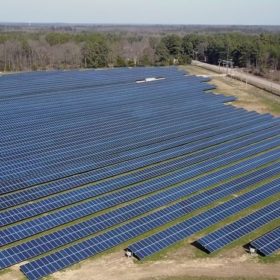
The inaugural Solar in the Southeast report by Southern Alliance for Clean Energy finds a large disparity between progress in the Carolinas and Georgia versus the rest of the region.

Duke connects 500 MW of solar in 2017
Between its own projects and partnerships with independent power producers, North Carolina’s largest utility has 2.5 GW of solar in its portfolio – and they’re not done yet.
Duke proposes community solar, green tariff programs
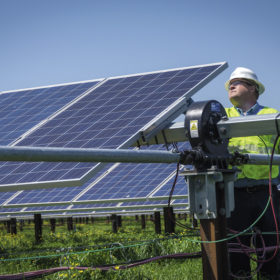
The programs would expand the options for its North Carolina customers – both residential and large organizations – to use renewable energy.
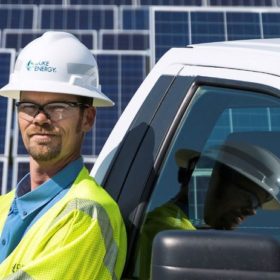
Duke Energy wants to offer $62 million solar rebate program
The proposal, which needs to be approved by the North Carolina Utilities Commission, could save $4,800 on the average residential rooftop array.
Duke sets goal to purchase 680 MW of solar in 2018 under new rules
Four months after North Carolina revised its rules governing solar procurement in the state, Duke Energy has proposed an aggressive solar expansion for next year.
Changing tides: Utilities and solar
An increasing number of U.S. utilities are embracing the low and predictable costs of utility-scale solar. But conflicts remain over distributed generation, and the real question is who will own the solar that is being built.
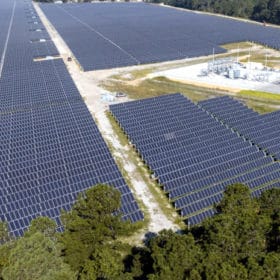
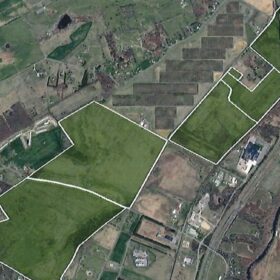
Recurrent Energy puts 71 MW-AC of solar online in North Carolina
The plant is one of the largest solar projects east of the Mississippi, adding further to the installed base of the No. 2 state for solar.
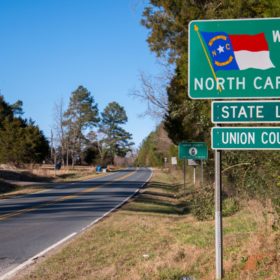
Dog bites man: Duke Energy prevails in lawsuit, keeping its monopoly in place
At issue was whether an agreement between NC WARN, a member-based nonprofit tackling the climate crisis, was acting as a public utility by providing solar electricity to a church. The public utilities commission – and now a court – has found that it was.