Soltec achieves 16.2% Bifacial Gain, Ohio State makes a potassium battery breakthrough: pvMB 9/18/19
Happy Wednesday, folks and welcome to the pvMB. Today we’ll be checking out 7 Michigan school districts moving to electric bus fleets, Extensible Energy’s virtual battery, net metering protests in The Big Easy and more.

Is the Trump Administration blocking the science on a renewable-powered future?
A study on reaching high levels of renewable energy has been removed from the NOAA website, and an energy writer says that the release of another study has been blocked.
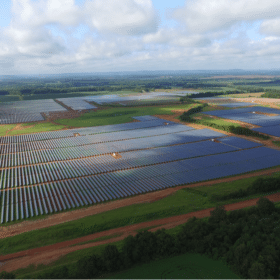
MISO seeks to make solar a dispatchable, intermittent resource
MISO is seeking input as it transitions solar power to being more highly integrated into its energy forecast modeling. This is happening as the volume of solar is booming, and follows on the grid operator’s success with wind power.
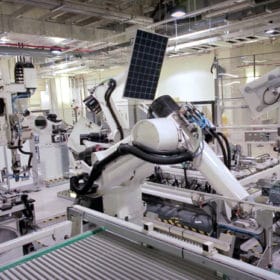
New technologies, new challenges: An interview with Jenya Meydbray of PVEL
In this interview, pv magazine talks with PV Evolution Labs CEO Jenya Meydbray about the new designs including heterojunction that will allow the solar industry to reach higher efficiencies, and the challenges entailed therein.
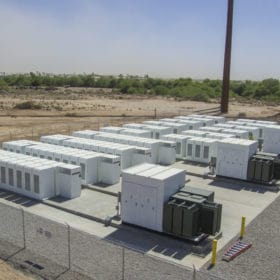
In lab secrets, Tesla is talking about 20-year lithium ion batteries
Researchers have found that over three years of testing lithium ion NMC532 graphite battery cells have the potential to stay structurally sound long enough for cars to reach greater than 1 million miles, and grid connected energy storage to last more than 20 years under daily use.

How the cash flows when we electrify buses, agriculture and more
The Brattle Group has developed a Total Value Test to help determine a more accurate economic valuation of energy efficiency programs historically, including case studies of city bus electrification, indoor agriculture and water heating.
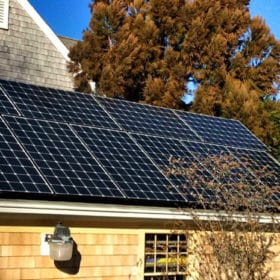
Vote Solar offers SMART improvements
Amidst the looming presence of new changes to the Solar Massachusetts Renewable Target, Vote Solar has analyzed the history of Massachusetts solar market and policy, offering tips to help the state recover from volatility and place itself once again as a national solar leader.
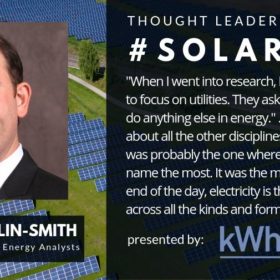
#Solar100’s Julien Dumoulin-Smith: the Steve Prefontaine of energy analysts
In this #Solar100 Interview, Richard Matsui, Founder & CEO of kWh Analytics, speaks with Julien Dumoulin-Smith, Senior Research Analyst at Bank of America Merrill Lynch.
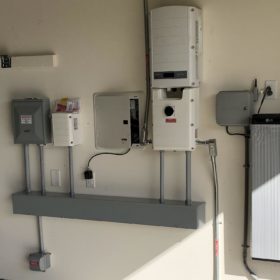
Residential solar plus storage is taking over Hawaii’s grid
Sunrun’s solar+storage Brightbox systems – 1,000 of them totalling 4.3 MW of capacity – are included in a contract for grid services submitted to Hawaii regulators.
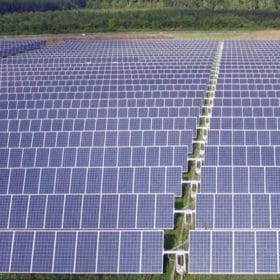
120 MW project goes on-line in North Carolina, solar industry documentary to release in 2020: pvMB 9/3/19
Hello one and all, hop you enjoyed Labor Day Weekend and welcome back to the pvMB. Today we’ll be taking a look at the health co-benefits of sub-national renewable energy policy in the US, the national solar tour 2019, California ISO data to date and more!