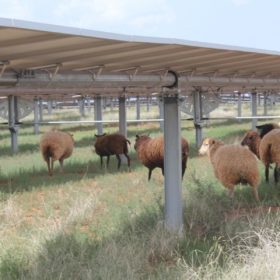
pvMB: The Clean Energy Access Act of 2019 in SC, sheep+solar in Arizona, power sector emissions are up and more!
In today’s pv magazine USA morning brief, Duke Energy’s 74.9MWac Hamilton Solar Power Plant has opened in Florida, gas spiked U.S. electricity-related emissions in 2018, and South Carolina is moving forward with its first piece of aggressive pro-solar legislation.
pvMB: sPower’s 500 problems, local politics support solar, $5b more for batteries in Georgia, more!
In today’s pv magazine morning brief Brookfield Renewables announces its dividend at just above a quarter a share, the first community (sorta) solar project in Wyoming is complete, Duke Energy’s next round of solar rebates is already largely sold out, and more!
Florida fighting for its solar power – one PPA at a time
A state senator has filed legislation to alter the definition of “public utility” to exclude those installing renewable energy devices of up to 2.5 MW on their own property and selling it to others, on their own property.
California grid data is live – solar developers take note
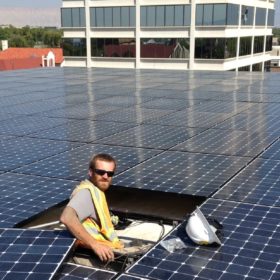
California’s updated maps to the power grid – ICA 2.0 – went online as of December 28, offering insight at every point on the circuit which could affect how much solar can be attached.
pvMB: El Paso’s 2 MWac RFP, Boston’s hybrid buses, Jay Inslee runs on a climate platform & more!
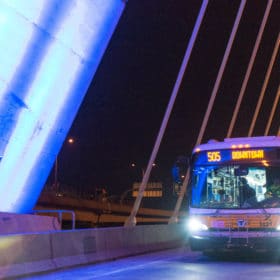
In today’s pvMB, we look at Michigan’s outgoing governor vetoing solar property tax exceptions, Jay Inslee’s plan to run for president on a climate action platform, Boston’s new hybrid bus fleet, and more.
A little bit of grid data goes a long solar power way
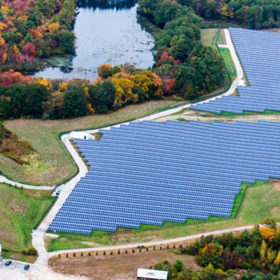
NREL has found that pre-applications for systems 500 kWAC and greater in Massachusetts were correlated with a 24% increase in interconnection service agreements approved – although complexities make proof of causation difficult.
Will the Select Committee on the Climate Crisis have any real power?
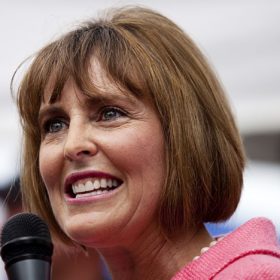
Democratic Leader Nancy Pelosi’s new committee could fall short of the demands of members of Congress on the party’s Left, and is not guaranteed to be anything more than an advisory body.
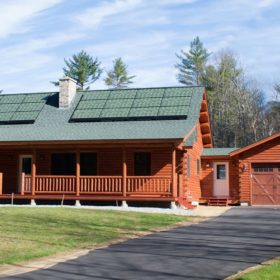
Sunlight, smarts, a house, and some money means solar power
Stanford researchers, using machine learning applied to satellite imagery, have found 1.4 million solar power installations in the United States. The researchers also extracted significant socioeconomic patterns from the data which they say can help to predict future installations.

Design of New Jersey’s SREC successor program wide open
New Jersey regulators have set a timeline for determining a new policy to follow the solar renewable energy credit system by next March, and are soliciting guidance from stakeholders – while trying not to repeat the mistakes of other states.
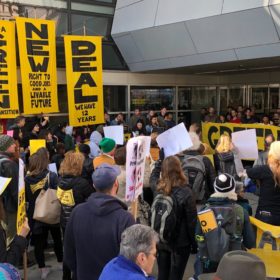
2018 solar power year in review (part 2)
In part 2 we look at more of some of the action in 2018, from the dramatic growth of the 100% renewable energy movement to California’s mandate for rooftop solar on new homes.