Grid-connected battery energy capacity grew 68 percent last year
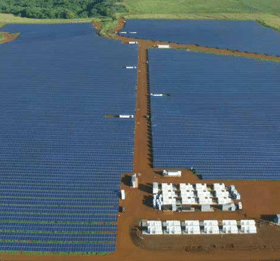
A utility survey shows battery storage capacity growing sharply, including solar + storage installations in several states. Looking ahead, FERC Order 841 could spark extensive new storage for grid services, helping more utilities become familiar with storage and its benefits.
California energy storage subsidy extension passes Assembly
A bill to extend the SGIP program through 2026 and add nearly 3 GW of behind-the-meter energy storage has passed the California Assembly. It will now go to the Senate to be reconciled before going to Governor Jerry Brown.
#Solar100’s Anne Hoskins: The Adam Smith of Solar Policy
In this #Solar100 Interview, Richard Matsui, Founder and CEO of kWh Analytics, speaks with Anne Hoskins, Chief Policy Officer of Sunrun.
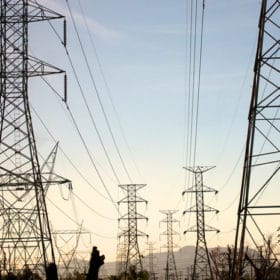
Distributed storage to yield $2-3 of grid savings for each dollar spent
According to a recent study, the benefits of distributed storage would well exceed its costs, making storage a cost-effective resource that utilities must employ under Massachusetts law. The benefit/cost findings may be applicable in other states, to the extent that the Massachusetts grid is representative of other grids nationwide.
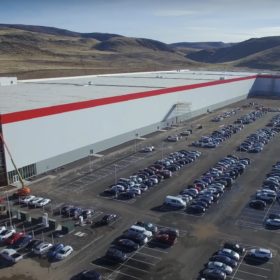
Report shows Tesla’s battery gigafactory booming
The report found over 3,200 employees working at the factory at the end of 2017, and $3.7 billion in invested in the plant.
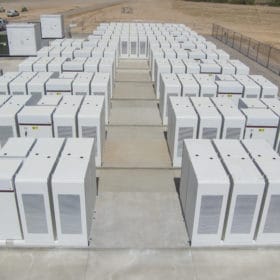
Battery materials market to grow 9% through 2022
A report by Technavio suggests the global market for battery materials could grow 9% annually for the next four years. Analysts point to the increasing installation of storage systems with PV as a key driver. pv magazine has covered previous reports predicting significant growth in PV and storage systems.
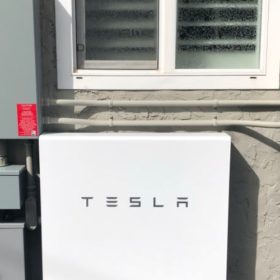
Vulnerable at-home patients to get Tesla Powerwalls
The Vermont Lower Income Trust for Electricity have provided a $150,000 grant for 100 low-income electricity customers with significant need for reliable backup power due to health and mobility issues.
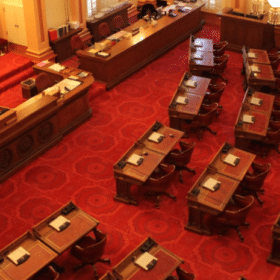
Bill to extend California’s SGIP energy storage subsidy passes committee
If passed, SB 700 will extend the Self Generation Incentive Program for another five years and add up to $700 million in funding. It now has eleven days to pass the Assembly before the session ends.
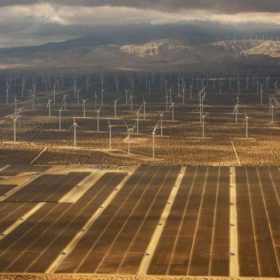
California has only one fossil fuel plant in its future queue
CAISO’s most recent interconnection queue contains one lone gas plant. While this list can change, it reinforces the trend of a move away from conventional generation towards renewables.

Hawaii PUC approves solar + battery system for Molokai
The island’s 7,000 residents are expected to see savings from the 4.9 MW solar and 2.6 MW of battery storage that Half Moon Ventures plans to install on the island.