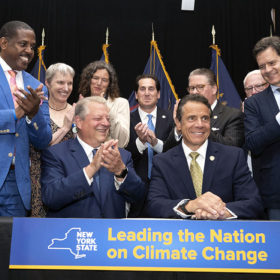
New York launches largest renewable solicitation in US history
4 GW of offshore wind and land-based renewables are set to come to the Empire State, as Gov. Andrew Cuomo looks to achieve the state’s renewable energy mandates while also kickstarting a post-Covid economy.
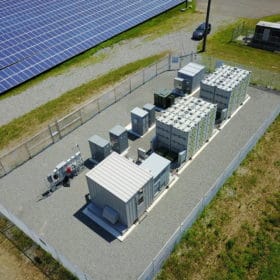
The West and Midwest favor solar-plus-storage; the East favors gas
Proposed solar-plus-storage projects far surpass proposed gas units in the West and Midwest.
FERC acts to narrow PURPA yet again
In this legal update regarding the implementation of FERC Order No. 872, Jason Johns, Jennifer Mersing and Jessica Bayles of Stoel Rives LLP break down the most significant changes made by the order and how they will serve to limit PURPA’s efficacy moving forward.
Morning Brief: Planners reject $40M, 140-MW battery storage project for fire risk, New York adopts net metering alternative
Also in the brief: Minnesota solar installers say they’re waiting too long for Xcel Energy grid connections, lower solar costs lead to new installations in metro Atlanta and financing for two large projects in Texas.
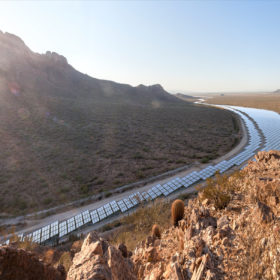
Chips, commercial CSP and a solar river: What the DOE is doing with its solar innovation dollars
President Trump’s unflagging support for fossil fuels has not stopped the DOE from putting millions of dollars into innovative technologies that could open new paths for market growth in the U.S. solar industry.
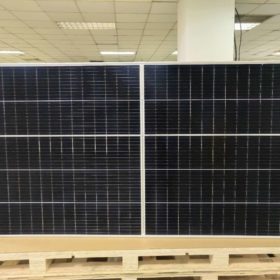
Morning Brief: Trina launches 600 W solar module, Jinko hits 24.7% efficiency for n-type mono, Tesla tweaks PV price again
Also in the brief: Trump finalizes rollback of bedrock environmental law, how justice and climate change are inseparable

Job Moves: Lior Handelsman leaves SolarEdge, plus Form Energy, Generate, Omnidian, FirstLight, MP2, Jurchen
Executive, career and boardroom moves in solar, storage, cleantech, utilities and energy VC.
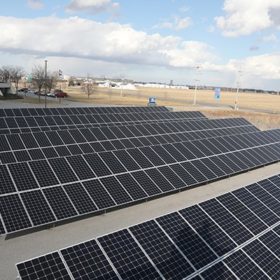
NIPSCO to nearly double Indiana’s solar capacity
The utility has announced two new projects that are set to come online by 2023 and will add 300 MW of new, utility-scale solar to the Hoosier State.

Morning Brief: Closest pictures of the sun, while on earth — McDonalds opens solar-powered, zero-emissions restaurant
Also in the brief: GRU and Origis Energy announce a PPA for a new 50-MW solar project, and cooling solar panels with KAUST’s hydrogel.
Breaking: FERC dismisses petition by shadowy group to end net metering
More than 450 organizations, 57,000 individuals and 37 states submitted comments opposing the NERA petition that could have ended the net metering program that has helped the residential and commercial solar industry to grow over the last decade.