Ryan Kennedy


Treasury issues guidance for solar, wind ‘start of construction’ tax credit rules
The rules for safe harboring clean energy tax credits are “not as bad as rumored” but uncertainty remains on qualification requirements.
Crayhill introduces combined tax equity, development financing for renewable energy projects
The asset management firm launched the bridge lending program for pre-construction financing of solar, wind and energy storage projects.

Corning, T1 Energy agree to U.S. domestic solar polysilicon and wafer supply deal
The partnership supports a full domestic energy supply chain from raw polysilicon to finished solar panels.
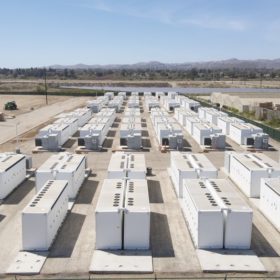
The new chapter in energy storage: Why value stacking is the future
As the energy storage industry has matured, increasing the number of functional uses and revenue-generating activities has become paramount.
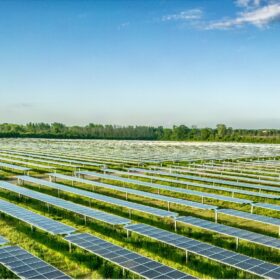
FTC Solar introduces solar tracker for high wind regions
The 1P single-axis tacker is engineered to withstand winds up to 150 mph.
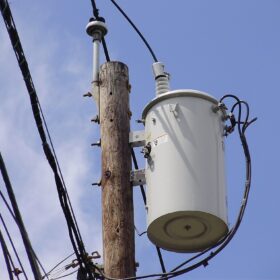
Grid transformers face significant supply deficits, says Wood Mackenzie
Power transformer supply may fall short 30% this year, while distribution transformers may reach a 10% supply deficit in 2025, said the firm.

Pivot Energy and CU Boulder break ground on 5 MW solar project
The university will source electricity from the Weld County, Colorado project via a virtual net metering project.
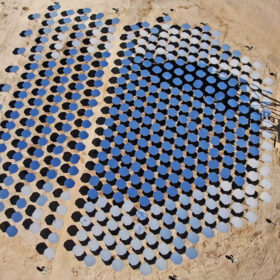
Florida rooftop solar company merges with concentrated solar power tower specialist
Zeo Energy Corp. completed its merger with Heliogen, which builds concentrated solar power towers.

U.S. could lose 60 GW of solar if Trump’s “start of construction” rules tighten
Clean Energy Associates forecasts a significant drop in solar installations if the Department of Treasury strictly enforces an executive order from the White House related to timelines for tax credit eligibility.
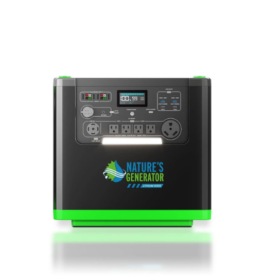
Nature’s Generator releases 6.8 kW / 3.8 kWh compact home backup battery
The Lithium 6000 is a portable solar generator with an optional automatic transfer switch that can backup home power during an outage.