Ryan Kennedy

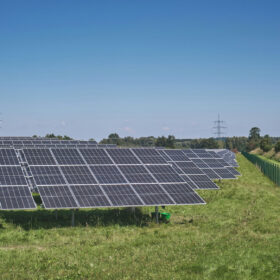
Integrated policy tools to solve the renewable energy siting crisis
A white paper explores how forward-thinking state policymakers and solar developers are moving beyond traditional property tax structures to embrace contractual legal tools that provide both long term regulatory certainty and tangible infrastructure improvements for host communities.
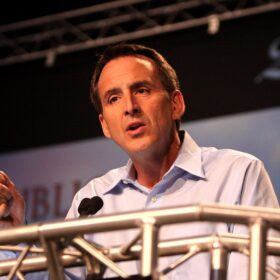
SEIA names former Minnesota Governor Tim Pawlenty as president and CEO
The Solar Energy Industries Association announced the former governor and Financial Services Roundtable executive will succeed interim leader Darren Van’t Hof effective June 15.
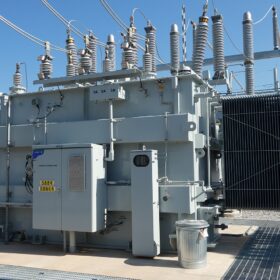
U.S. transformer market faces severe supply constraints as lead times extend to four years
Severe shortages of power transformers are stalling grid expansion as developers face skyrocketing prices and four year wait times for critical equipment.
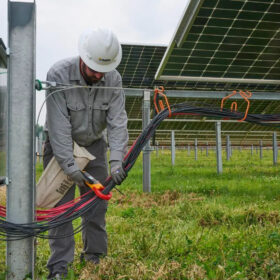
Data centers are outgrowing the grid. Solar is filling the gap.
Faced with an increasingly congested grid and skyrocketing energy demands, data center developers are shifting toward solar-plus-storage as a logistically viable, essential solution for securing reliable power on a market-ready timetable.
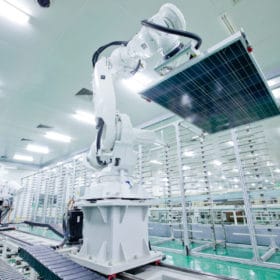
FH Capital to acquire majority stake in JinkoSolar U.S. manufacturing
Private equity firm FH Capital reached an agreement to acquire a 75.1% majority stake in JinkoSolar’s U.S. manufacturing subsidiary to expand domestic module and battery production.
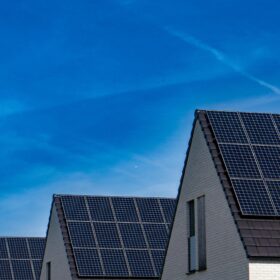
Residential solar demand shifts from incentives to infrastructure as homeowners seek control
The U.S. residential solar market is transitioning from an incentive-driven luxury to an essential infrastructure necessity, as homeowners prioritize energy independence and grid resilience in the face of rising utility rates and increasing electrification.
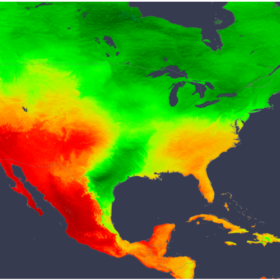
Pacific ridge reversal brings Western U.S. solar conditions back to average in April
In a new weekly update for pv magazine, Solcast, a DNV company, reports that April 2026 marked a reversal from March’s widespread high irradiance across North America, as weakening Atlantic and Pacific high-pressure systems brought more cloud cover to the western U.S. and neutralized Mexico’s earlier sunshine gains, while the eastern U.S. remained sunnier and warmer than average. Meanwhile, Canada stayed under persistent cold, cloudy conditions linked to polar vortex disruptions, and coastal Texas saw significantly reduced irradiance due to tropical moisture and heavy rainfall.
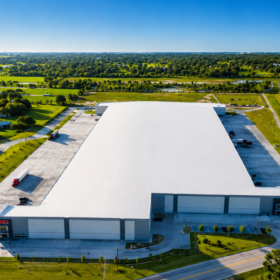
SEG Solar to expand U.S. manufacturing with 4 GW Houston module plant
The $200 million investment will bring the company’s total domestic production capacity to 6 GW by late 2026.
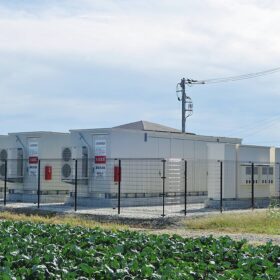
FEOC, uncertainty and constraints: Real estate capital for energy storage developers is more critical than ever
As energy storage developers navigate the tightening squeeze of FEOC compliance and a bifurcated lending market, unlocking the embedded value of project real estate is emerging as a critical, non-dilutive strategy for securing the pre-construction capital needed to meet 2026 supply chain deadlines.
SolarEdge hits Q1 beat, targets breakeven as U.S. manufacturing ramps up
Bolstered by a sixth consecutive quarter of margin expansion and a stabilizing U.S. footprint, the inverter giant is pivoting toward its Nexis platform and AI data-center power solutions.