Ryan Kennedy

EDP Renewables reaches commercial operations at 150 MW Indiana solar project
The newly completed facility solidifies Indiana’s position as a top-three market for utility-scale solar additions as the state pivots from its coal-heavy legacy.

South Carolina county court dismisses challenge to Silfab Solar manufacturing facility
A York County circuit court judge has dismissed a resident-led lawsuit seeking to halt construction of Silfab’s PV module assembly plant, ruling that the plaintiff lacked standing and failed to exhaust administrative remedies.
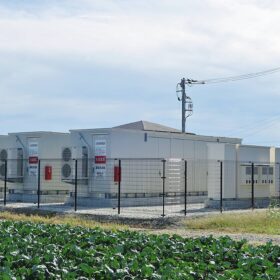
Five trends for energy storage as global market passes 100 GW
A report from Wood Mackenzie identifies five key trends that will define the energy storage industry in 2026, including supply chain restructuring and the rise of non-lithium batteries.

Scanifly and IronRidge integrate drone designs with racking layouts
Contractors can now export solar panel placements from drone models into racking design software to automate bills of materials.

Department of Energy cuts $83 billion in loans, reversing energy transition funding
The Department of Energy moved to de-obligate or revise billions in financing for clean energy projects while prioritizing natural gas and nuclear power.
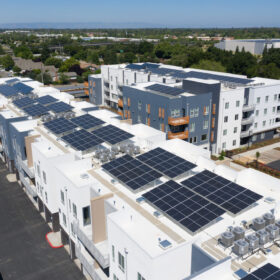
What to expect from the solar market in 2026
As the solar industry navigates a 2026 landscape defined by AI-driven demand and shifting federal incentives, success will belong to developers who prioritize execution and resilience over simple scale.
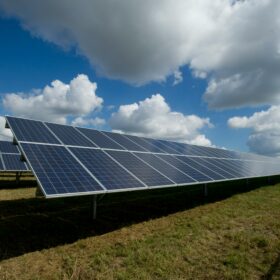
Solar to anchor U.S. load growth as data center demand surges
Wood Mackenzie report forecasts solar as a vital contributor to near-term power demand despite federal policy volatility.
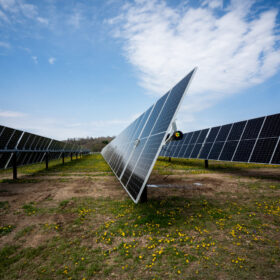
Doral Renewables activates 48 MW solar project in Ohio
The Great Bend Solar project now delivers power to the PJM grid. Construction began in May 2024.

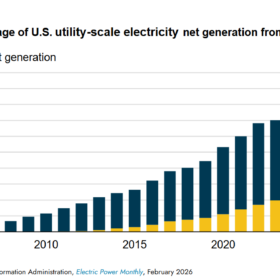
Solar met 61% of U.S. electricity demand growth in 2025 as battery surge transforms the grid
A record-breaking year for solar generation and a leap in battery capacity have shifted the U.S. energy landscape, turning solar into a primary workhorse for meeting the nation’s surging power needs.
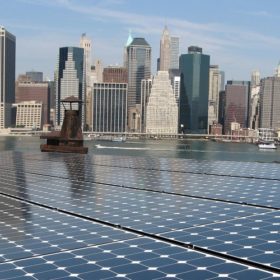
New York study finds distributed solar and storage could save ratepayers $1 billion annually
The report suggests expanding 2035 targets for local clean energy to 20 GW to mitigate wholesale price volatility and improve winter reliability.