Anne Fischer

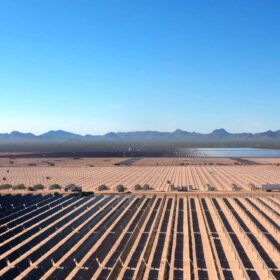
RFP alert: Arizona Public Service seeks at least 700 MW of renewable resources
The RFP is open to all technologies, including supply side and non-supply side resources. Proposed projects must be in service beginning in 2026 through 2028.
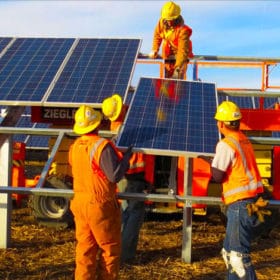
Meeting prevailing wage and apprenticeship requirements
The Inflation Reduction Act offers challenges to clean energy employers in meeting the new prevailing wage and apprenticeship requirements. A panel of experts in a recent Intersolar webinar provides some insight.
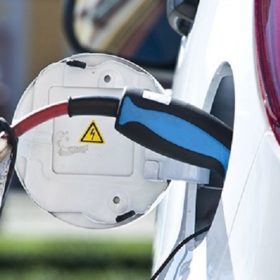
How California employers can reimburse EV drivers for charging at home
Failure to reimburse employees for charging EV fleet vehicles at home can have serious consequences. Employers can reduce that risk by offering employees an IRS-compliant program that accurately reimburses employees.
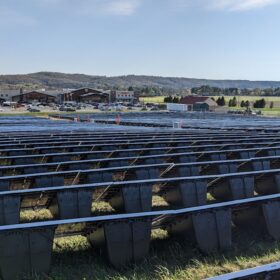
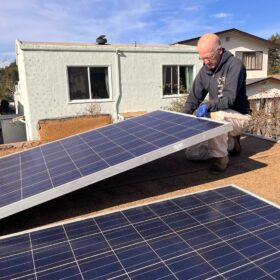
Ballasted racking from PowerField Energy scales up to utility-scale installation
PowerRack is PowerField’s portable, ballasted racking system that is used in residential, commercial, industrial, and now utility-scale solar.
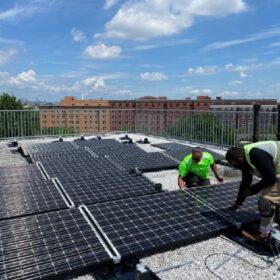
Five organizations turning community solar into savings for low-income Americans
This year, DOE recognized five organizations that exemplify the benefits that community solar can bring with $10,000 grand prizes, and recently launched a new round of the Sunny Awards.
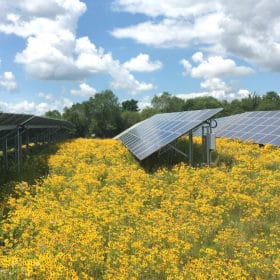
DOE announces $45 million for pilot manufacturing of solar components
Funding from the Biden Administration’s Investing in America agenda is intended to support silicon component manufacturing and develop dual-use PV technologies.
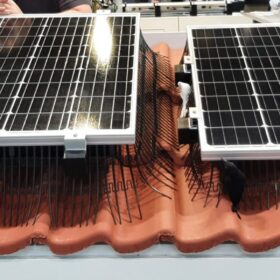
The rapid expansion of small-scale, distributed-generation solar
Small-scale PV systems drove the installation of more than 200 GW of solar capacity last year and could support more than 300 GW this year. That means a reset for utilities.
Michigan energy storage bills can serve as a model for the nation
Passing these bills would make the state among the most ambitious in the Midwest when it comes to growing storage capacity and encouraging business models that unlock the full potential of this technology, like the “virtual power plant” model.
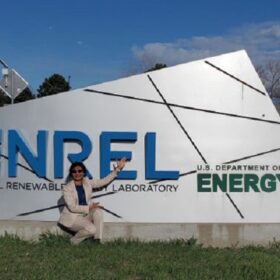
Zero Energy Design Designation recognizes schools for sustainable building curriculum
The Department of Energy designation recognizes schools for demonstrating a three-year commitment to preparing students for a zero-carbon future by offering a building science education curriculum within their programs of study. DOE is seeking applicants through July 7.
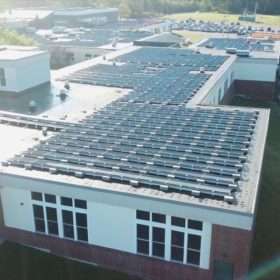
DOE provides $178 million to schools to lower energy costs and emissions
As Part of the Investing in America Agenda, the funding will benefit about 74,000 students in 97 school buildings.