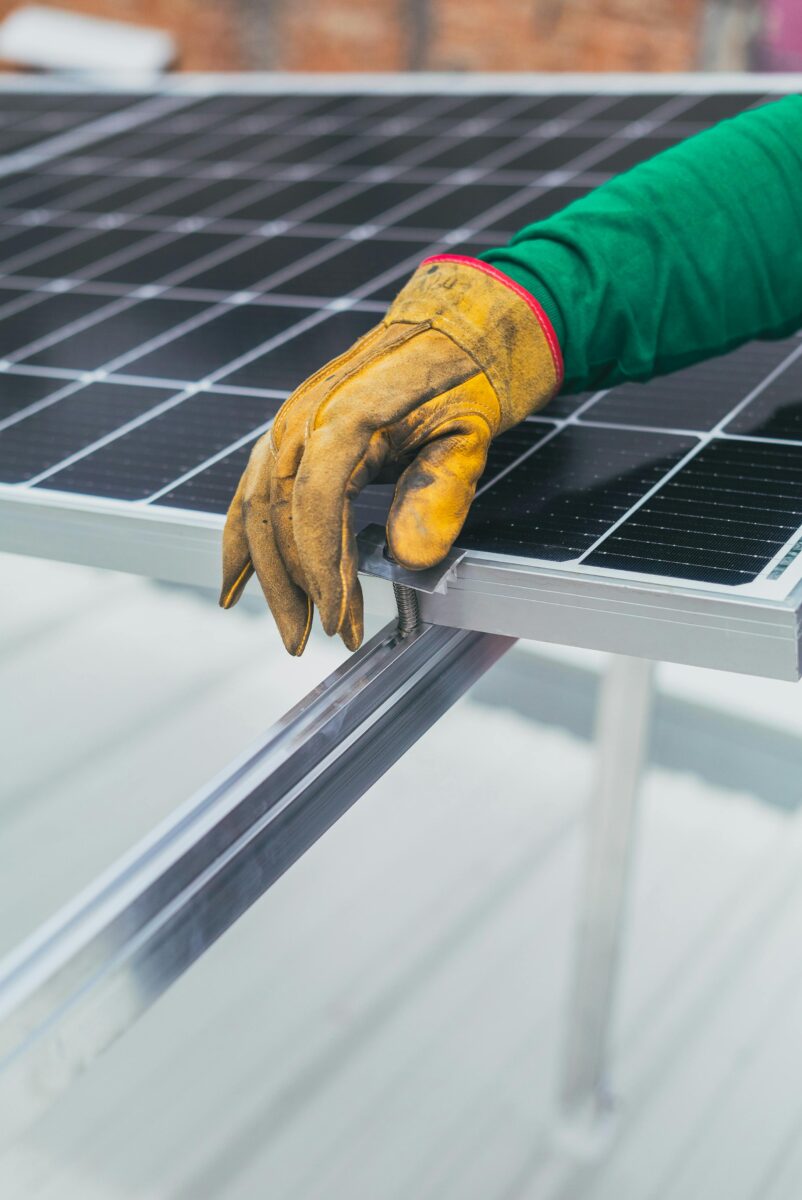





The California Public Utilities Commission (CPUC) has issued a new proposed decision in the ongoing community solar proceeding, a move that the Solar Energy Industries Association (SEIA) says “virtually ensures” that no new community solar projects will be developed in the state.
CPUC’s proposed decision rejects the solar industry-backed Net Value Billing Tariff (NVBT), a rate designed to base electric grid export compensation on the hourly value of the energy produced. Advocates say NVBT is essential for securing private financing, particularly for community projects serving low-income subscribers.
However, the CPUC has rejected this in favor of a structure based on the Avoided Cost Calculator (ACC). The metric estimates what the utility “avoids” paying to buy power elsewhere. Solar industry advocates argue the ACC rate is far too low and volatile to support new construction, essentially killing the market before it begins.
The proposed decision issued by Administrative Law Judge Valerie Kao comes at a time when California is facing record-high energy prices. Industry advocates voiced hopes this round of the proceeding would correct flaws in the 2024 framework, but SEIA argues the commission has “wasted a golden opportunity” to provide relief to low-income residents.
The decision maintains the commission’s focus on avoiding “cost-shifting” to non-participating ratepayers, a position heavily supported by investor-owned utilities (IOUs) like PG&E, SCE, and SDG&E.
The debate around community solar program structuring mirrors the proceedings of rooftop solar grid compensation rates. Utility-backed analysis said that rooftop solar caused an $8 billion cost to non-solar customers in 2024, while independent analysis found a $1.5 billion net benefit to California electric ratepayers.
Critics of the proposed decision say it also relies too heavily on one-time federal funding, specifically the $249 million Solar For All grant awarded to California by the EPA. The Coalition for Community Solar Access (CCSA) argued this is an unworkable substitute for a market model that leverages private capital.
Instead of a new market-based tariff, the commission opted to modify existing utility-led “Green Tariff” programs. The decision also consolidates existing programs and discontinues the Community Solar Green Tariff (CSGT) for new projects, transferring its capacity to the Disadvantaged Communities Green Tariff (DAC-GT), while requiring that 51% of program capacity be dedicated to low-income subscribers.
“With this proposed decision that crushes any chance of a viable community solar program in the state, the CPUC has doubled down on its past bad decisions at the behest of monopoly utilities,” said Stephanie Doyle, California State Affairs Director for SEIA. “The state legislature made it clear in passing AB 2316 that it wants a robust program… instead, the CPUC has issued a decision that virtually ensures no projects will be built.”
The proposed decision is not yet final. It is scheduled to be heard at the Commission’s May 14, 2026, Business Meeting at the earliest. Until then, solar advocates say they will continue to push for a model that allows renters and those without suitable roofs to access the benefits of clean energy.
This content is protected by copyright and may not be reused. If you want to cooperate with us and would like to reuse some of our content, please contact: editors@pv-magazine.com.





By submitting this form you agree to pv magazine using your data for the purposes of publishing your comment.
Your personal data will only be disclosed or otherwise transmitted to third parties for the purposes of spam filtering or if this is necessary for technical maintenance of the website. Any other transfer to third parties will not take place unless this is justified on the basis of applicable data protection regulations or if pv magazine is legally obliged to do so.
You may revoke this consent at any time with effect for the future, in which case your personal data will be deleted immediately. Otherwise, your data will be deleted if pv magazine has processed your request or the purpose of data storage is fulfilled.
Further information on data privacy can be found in our Data Protection Policy.