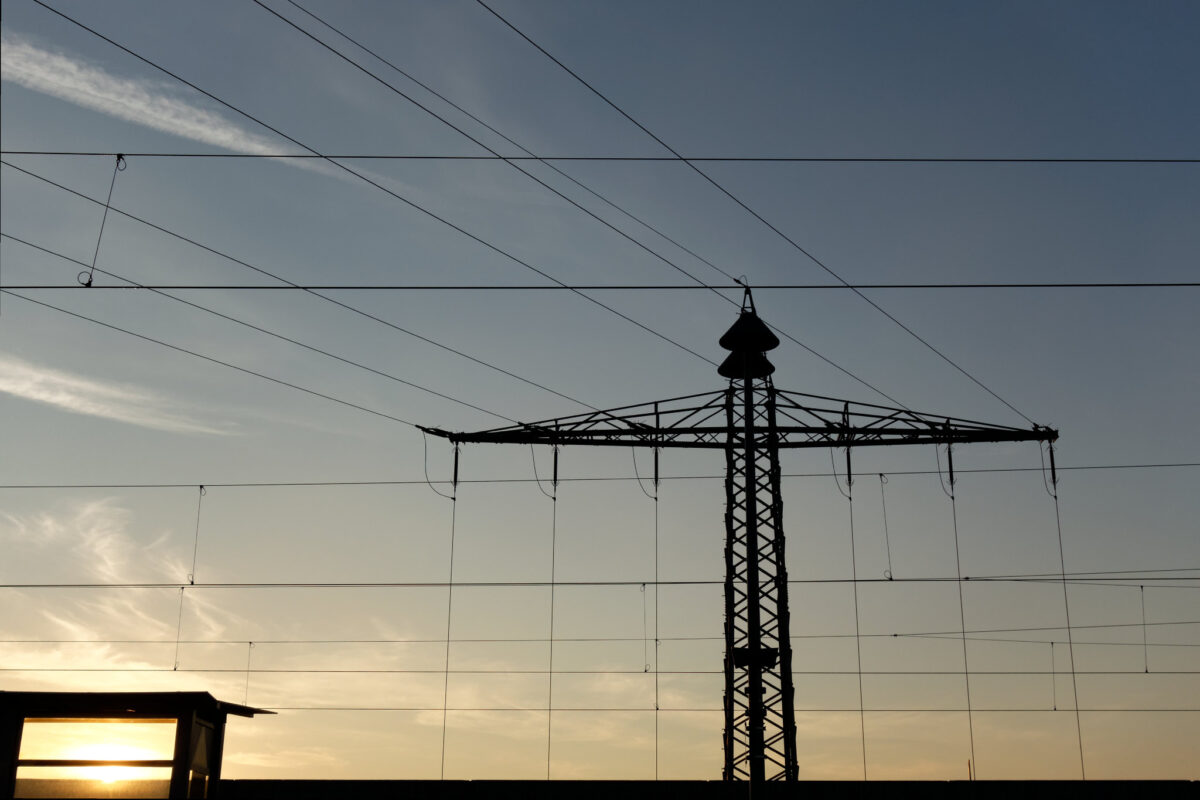





As the geopolitical situation in the Middle East continues deteriorating, fears of a long-term energy crisis are growing. Conflict-driven volatility on the oil and gas market is pushing up electricity and fuel prices, leaving individual consumers and corporations alike scrambling to insulate themselves from financial shocks.
Many companies who have already deployed solar and storage or are currently transitioning to renewables likely believed the move would protect them from fossil fuel price fluctuations, as they’d no longer be directly reliant on combustion fuels. This may not be the case.
“In the U.S., companies in the process of electrifying can remain indirectly exposed to fossil fuel markets because electricity prices and grid stability are still often shaped by natural gas dynamics, regional transmission bottlenecks and capacity constraints,” explained ABB Electrification Service’s president Stuart Thompson. He told pv magazine USA that in practice, this indirect exposure via grid pricing is more significant than many companies assume. Static supply contracts can’t respond to real-time market conditions, he said, meaning that electrification alone doesn’t eliminate vulnerability unless that underlying system is modernized.
“Companies that thought electrification had solved their energy exposure are seeing costs rise in lockstep with gas markets,” he added, saying that many had underestimated the extent of exposure and risk. Yes, electrification can provide some protection, but it won’t necessarily guarantee predictability or control over pricing.
“Consistently high prices are painful but predictable,” Thompson said. “Companies can budget for them and adapt. What they can’t budget for is unpredictability.”
The somewhat nasty surprise is accelerating discussions of what comes next. For many companies, that looks like adding another layer of flexibility and intelligence that enables control over how and when they interact with the grid instead of simply automatically accepting the market prices.
Storage is the name of that game and has been for some time. Still, Thompson pointed out most operators still treat electrification as a set-it-and-forget-it, one-and-done infrastructure decision instead of a source of ongoing revenue in a tumultuous energy market. Shifting that strategy to one that’s smarter and more flexible is “increasingly essential” to future-proofing operations, he added.
The economic logic hasn’t changed, but the urgency has, as skyrocketing gas prices impact the bottom line for electrified and fossil-fueled facilities alike. While that exigency may ease when prices stabilize and the market course corrects, Thompson noted that the strategic value of electrification and storage will stick around.
“The underlying drivers are not going away. Companies still need more resilient operations, more flexible systems and a credible path to lower-carbon performance,” he said. “The shift in how companies think about energy has been building for quite some time. Recent market volatility has reinforced that direction, but it is not the root cause of the shift.”
This content is protected by copyright and may not be reused. If you want to cooperate with us and would like to reuse some of our content, please contact: editors@pv-magazine.com.




By submitting this form you agree to pv magazine using your data for the purposes of publishing your comment.
Your personal data will only be disclosed or otherwise transmitted to third parties for the purposes of spam filtering or if this is necessary for technical maintenance of the website. Any other transfer to third parties will not take place unless this is justified on the basis of applicable data protection regulations or if pv magazine is legally obliged to do so.
You may revoke this consent at any time with effect for the future, in which case your personal data will be deleted immediately. Otherwise, your data will be deleted if pv magazine has processed your request or the purpose of data storage is fulfilled.
Further information on data privacy can be found in our Data Protection Policy.