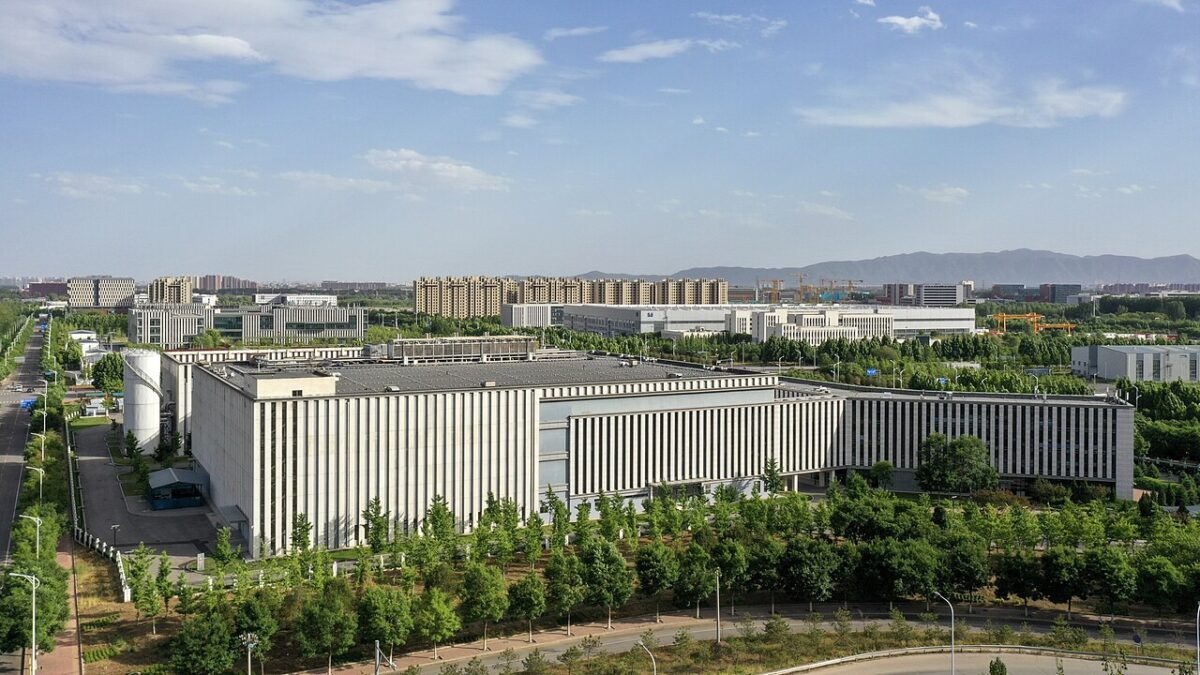





Anew bill making its way through the California State Senate could effectively make energy storage a prerequisite for data centers to interconnect. The California Technology Innovation and Ratepayer Protection Act (SB 886) aims to protect ratepayers from cost impacts of data centers by ensuring that large load users pay the entirety of the grid costs they trigger.
In practice, it could turn storage into a de-facto box on the interconnection checklist despite its framing as a ratepayer protection bill.
While a previous version of the bill laid out a strict onsite behind-the-meter storage mandate, the latest text instead includes a requirement that developers of large projects – defined in the bill as those being 25 MW or larger – cover half of their hourly energy needs with dispatchable zero-carbon supply. This must be prefunded and pre-committed for a 15-year time period. Companies would otherwise face financial penalties in the event of early retirement.
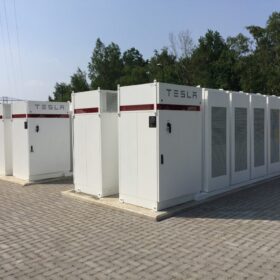
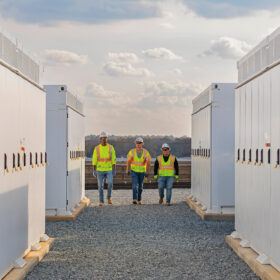
California’s current resource stack means that for large projects, the most practical way to meet that requirement is some combination of grid-connected storage and co-located renewables: standalone solar wouldn’t be enough to meet all hourly matching requirements but fully firm, clean generation options are expensive and somewhat limited. Storage, especially when it’s co-located or contractually bundled with renewables, ends up as one of the most flexible ways to bridge that gap.
In addition, large load users must cover the full cost of any transmission upgrades that may be necessary to get their project on the grid and cannot pass it through to ratepayers. Particularly in capacity-constrained areas, storage will often then be the most affordable pathway for data centers to ensure a firm and flexible energy supply and remain compliant with interconnection regulations. They’ll otherwise have little choice but to either absorb the grid upgrade costs or build elsewhere.
“Developers across our country are seeking to build data centers at an incredible breakneck speed and rate, creating demand on generation and on infrastructure capacity and cost at an unprecedented level in the state,” said State Senator Steve Padilla (D-San Diego), the bill’s lead author, at a March 17th hearing, pointing out that states who had initially provided financial support for data center development are now “backtracking” to make sure “that existing utility rate payers are not stuck with the burden of stranded assets.”
SB 886 would also require facilities to participate in certain demand-response programs chosen by the California Public Utilities Commission (CPUC). While other sources of firm, clean power like geothermal could enable a project to qualify and participate in theory, the lack of load-following flexibility makes hourly matching tricky compared to the relatively straightforward processes of load shaping and peak shaving with batteries. Batteries can also speed up the interconnection process by proving that the user will not exceed their allotted energy cap from the utility.
What’s perhaps most interesting, however, is that the bill is on track to keep moving forward before results from a related CPUC data center study are due in 2027. This could signal growing impatience from the Legislature with the CPUC.
Sam Uden, the co-founder and managing director of nonprofit organization Net Zero California, also spoke at the hearing in support of the bill, saying that “no one needs to look further than the East Coast to see what happens when data center expansion is left unconstrained or unregulated” and pointing towards PJM’s drastic cost increases. SB 886 ‘s goal is to eliminate the possibility of the Golden State having the same fate.
The bill’s fine points (self-paying for grid costs, required participation in load-shifting or demand-response programs, early retirement fees) are based on the findings of studies from Harvard, MIT and the Little Hoover Commission, among others.
“The data centers should be on the hook with termination fees if the AI bubble is to burst and they want to abandon their projects,” Uden added. If passed, SB 886 could have strong implications on project development timelines and project financing structures. Utilities have reported a boom in data center-driven new load requests; Pacific Gas & Electric alone cited more than
The scale of potential impact is significant. Utilities have reported a surge in data center-driven load requests in recent years, with Pacific Gas & Electric alone citing more than 10 GW of new demand applications between 2023 and 2025. If even a small fraction of that project pipeline is built under SB 886’s guidelines, the bill could serve as a substantial new demand driver for storage deployment.
Another Padilla-backed bill, SB 887, could make that stronger. It would also prevent data centers from receiving categorical exemptions under the California Environmental Quality Act and would create a fast-track “environmental leadership” lane for projects with at least four hours of storage capacity at 100% peak demand and 100% carbon-free hourly supply within five years.
SB 886 is now with the Appropriations Committee after its approval by the Senate Standing Committee on Energy, Utilities and Communications on March 17; the 12-4 vote fell largely along party lines.
This content is protected by copyright and may not be reused. If you want to cooperate with us and would like to reuse some of our content, please contact: editors@pv-magazine.com.


By submitting this form you agree to pv magazine using your data for the purposes of publishing your comment.
Your personal data will only be disclosed or otherwise transmitted to third parties for the purposes of spam filtering or if this is necessary for technical maintenance of the website. Any other transfer to third parties will not take place unless this is justified on the basis of applicable data protection regulations or if pv magazine is legally obliged to do so.
You may revoke this consent at any time with effect for the future, in which case your personal data will be deleted immediately. Otherwise, your data will be deleted if pv magazine has processed your request or the purpose of data storage is fulfilled.
Further information on data privacy can be found in our Data Protection Policy.