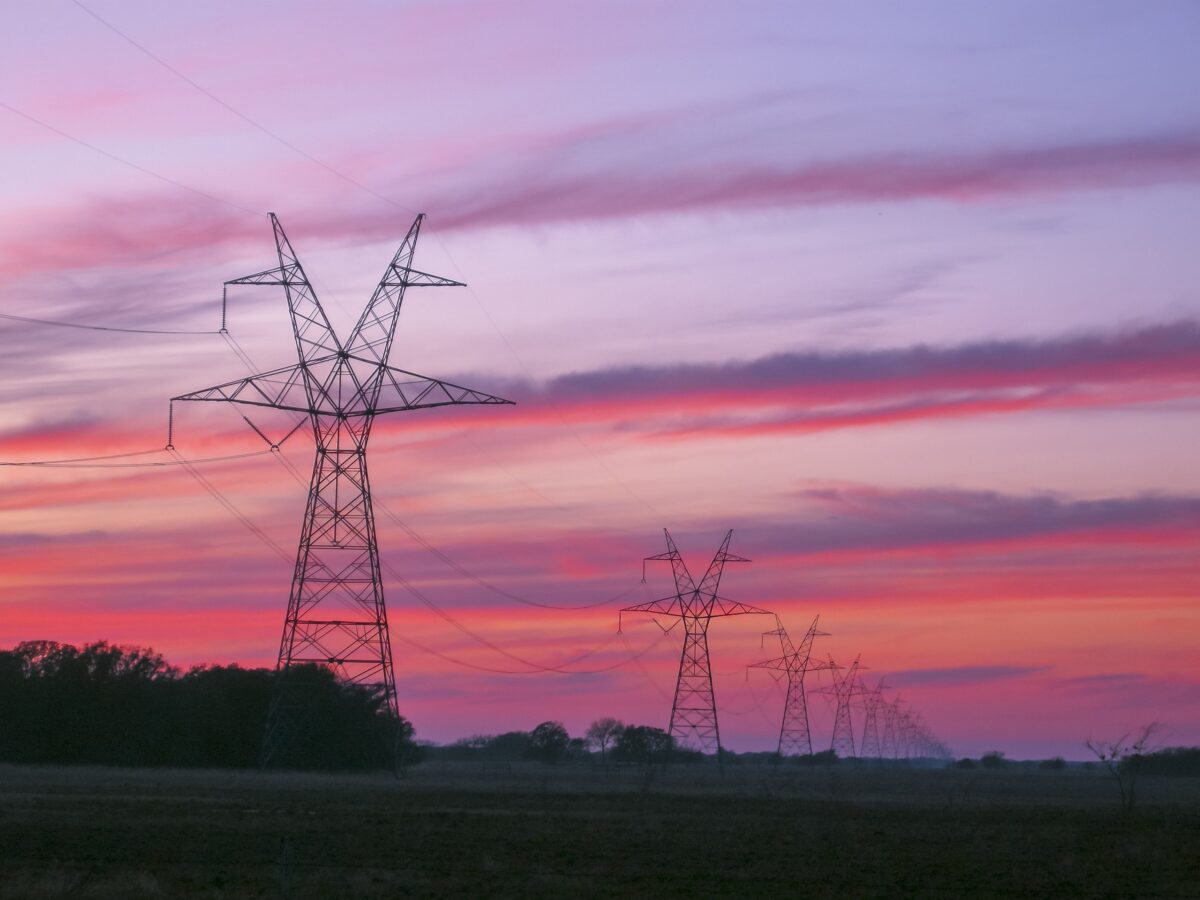





According to Texas-based energy consulting and services firm Enverus, interconnection queues remain one of the most significant barriers to bringing new generation capacity online. The company’s 2026 interconnection outlook report says a number of factors are complicating what was already a backlogged process, with new load demands and utility priorities.
Ryan Luther, director of Enverus Intelligence Research, told pv magazine USA that the nature of the interconnection process has shifted dramatically in recent years.
“In the Biden era and pre-AI blowing up its energy needs, grid interconnection was really driven by renewable targets, other state mandates or corporate targets and demand for PPAs [power purchase agreements],” Luther said. “And so, developers were trying to build renewables as fast as they could to meet those targets.”
In this situation, he added, there could be slowness in getting required studies done with little practical consequence for the grid. While the volume of requests from renewable energy developers increased, there was no particular pressure on utilities to rush capacity online. This has changed, primarily due to added electricity demands from data centers, manufacturing and electrification.
“In the new ‘post-renewable target era,’ the demand for interconnection has shifted from mandates towards actual load growth that needs to be filled right now,” Luther said.
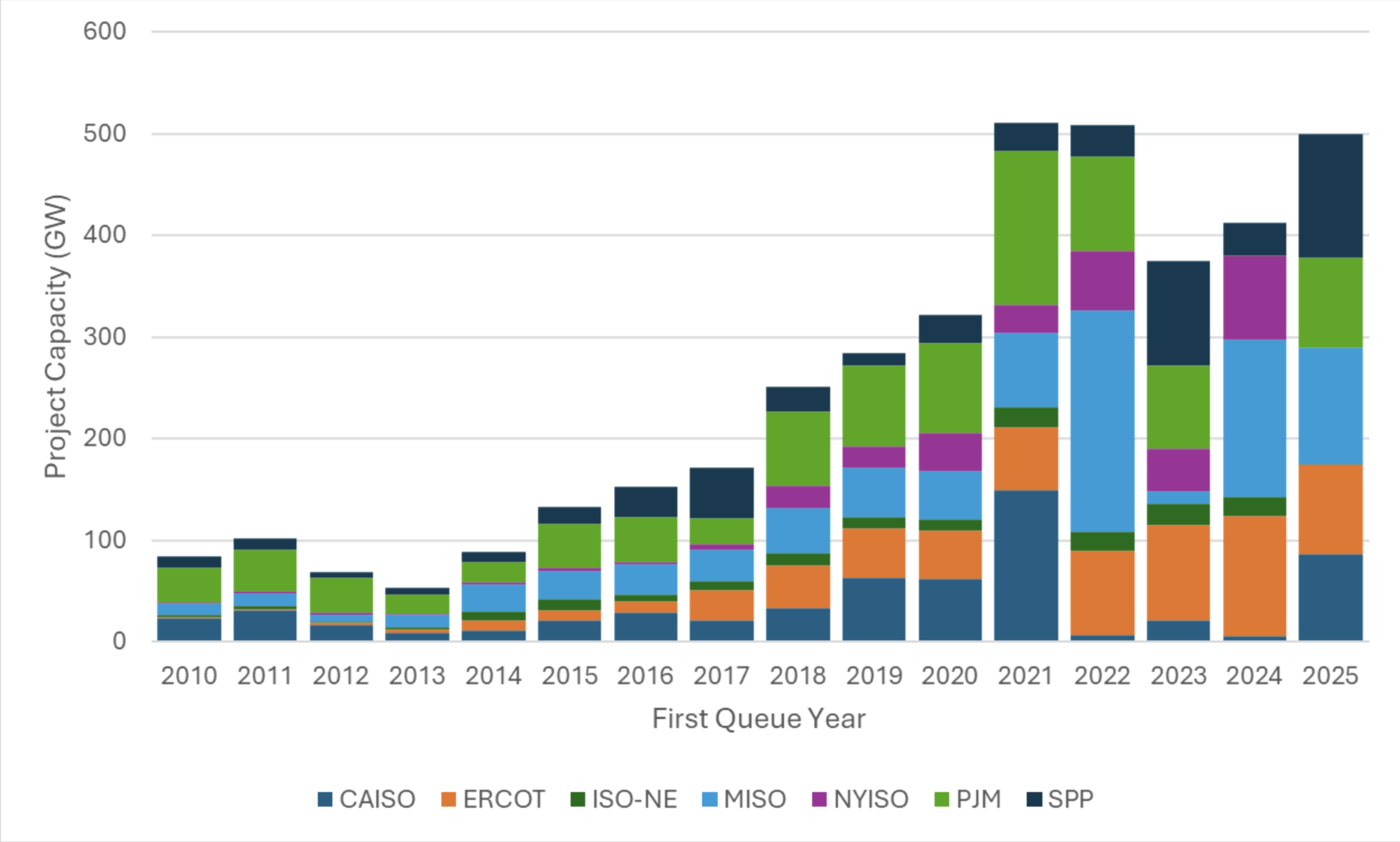
Demand growth has made reliable generation more of a priority than green energy goals. Utilities are dropping a place-in-queue approach to interconnection studies in favor of projects judged likely to deliver the most reliably dispatchable energy as soon as possible.
The Enverus report says there is a huge mismatch between how fast builders can construct data centers and how fast they can actually get the power for them from the grid. Regional independent service operators (ISOs) and utility will put their thumb on the scales in to prioritize reliability. The 2026 interconnection report draws the following conclusions:
- Interconnection outcomes increasingly depend on regional ISO market structure and utility planning practices, not just queue position, creating materially different grid access risk profiles across U.S. power markets;
- Grid congestion and interconnection study delays persist despite reform efforts, reinforcing interconnection as a primary gating factor for new generation and transmission projects moving toward construction;
- Utility strategies and load planning assumptions are reshaping interconnection timelines, as grid operators balance reliability, electrification and evolving energy policy requirements;
- Project risk diverges sharply by region, underscoring the importance of understanding ISO specific rules, study processes and market dynamics when prioritizing development pipelines; and
- Developers and investors face growing pressure to assess interconnection risk earlier, as late-stage delays and cost escalation continue to challenge project economics.
According to Luther, the Federal Energy Regulatory Commission’s Order 2023 allowed ISOs to prioritize projects that have accomplished many of the preliminaries required to be “study ready” over the old cluster-based approach that kept older but inert projects in the queue. In this new age, renewable energy developers have to pitch the reliability of their solar plus storage projects alongside all of these new gas plants trying to get connected.
“In our industry, the easy projects are few and far between,” said Alexandria Walling, vice president of development at Indiana-based Inovateus Solar. “We’re really trying to eliminate as much uncertainty as we can on the front end.”
According to Walling, her company relies on research such as Enverus’ interconnection reports as well as its analysis services to develop utility-friendly proposals and enabling more focus on permitting efforts and researching ordinances.
Enverus has made a number of recent investments to improve its interconnection analysis capabilities and services. Earlier this month, Enverus entered into a definitive agreement to acquire Colorado-based Spatial Business Systems, a developer of AI-driven design automation platform for electric and gas utilities, telecommunications providers, and engineering teams.
Last year, the company acquired Pearl Street Technology, whose SUGAR analysis software is used by ISOs to automate interconnection studies.
This content is protected by copyright and may not be reused. If you want to cooperate with us and would like to reuse some of our content, please contact: editors@pv-magazine.com.





By submitting this form you agree to pv magazine using your data for the purposes of publishing your comment.
Your personal data will only be disclosed or otherwise transmitted to third parties for the purposes of spam filtering or if this is necessary for technical maintenance of the website. Any other transfer to third parties will not take place unless this is justified on the basis of applicable data protection regulations or if pv magazine is legally obliged to do so.
You may revoke this consent at any time with effect for the future, in which case your personal data will be deleted immediately. Otherwise, your data will be deleted if pv magazine has processed your request or the purpose of data storage is fulfilled.
Further information on data privacy can be found in our Data Protection Policy.