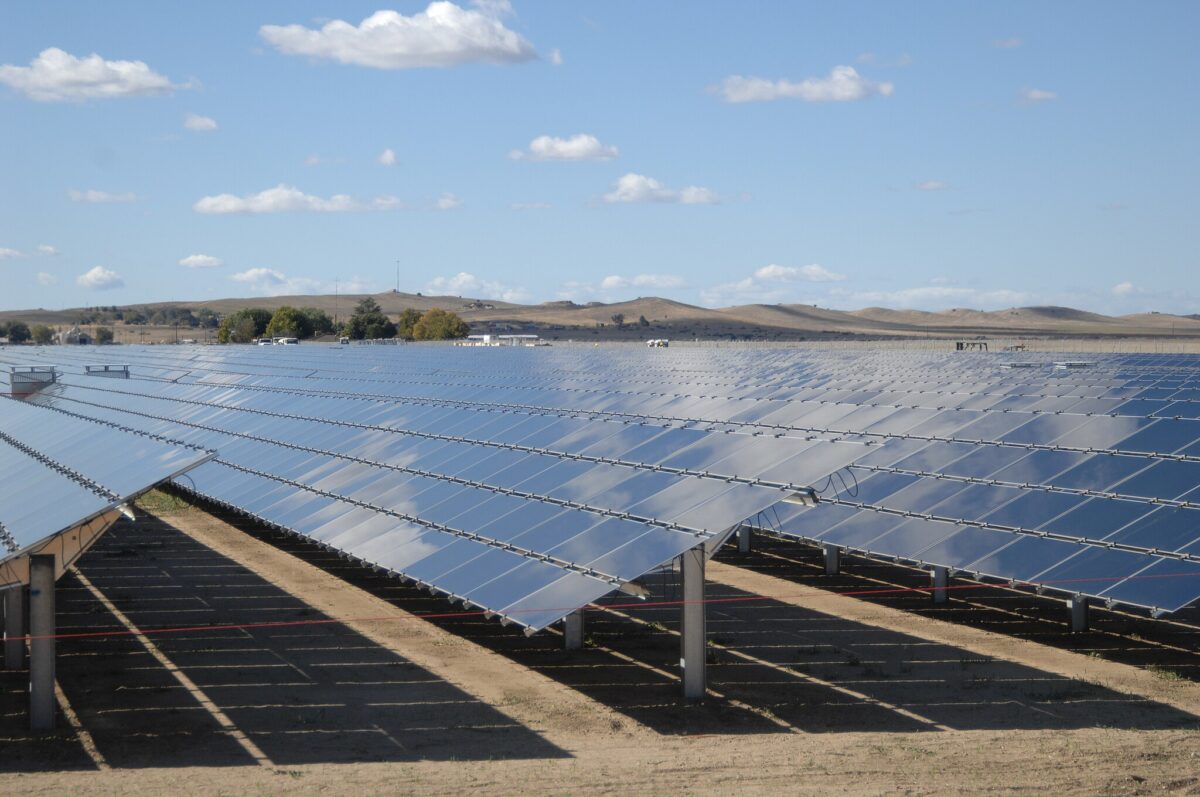





For solar developers in the United States, ensuring compliance with foreign entity of concern (FEOC) rules is bleeding beyond just their procurement strategies into the very way they design their projects, what kinds of modules they source and what their supply chains look like beyond conventional cost and performance considerations.
Suppliers are already feeling the impacts on the depth and cadence of their relationships with developers.
“Since the One Big Beautiful Bill Act extended the FEOC restrictions to Inflation Reduction Act credits, we’ve seen increased engagement from solar developers both earlier in the design process and, in some cases, much later than usual,” Mary Adam, the vice president of global sales at solar optimizer company Ampt, told pv magazine USA. While some companies do reach out in advance of any issues to navigate supply chain difficulties before they crop up, she explained that many reach out “at the last minute” once they learn their designs aren’t compliant or may not be eligible for tax credits.
She pointed out that one workaround draws on mixed module sourcing that lets developers blend compliant and non-compliant materials or suppliers (rather than using solely the more costly and limited FEOC-approved options) while remaining within the overall material assistance cost ratio (MACR) guidelines.
“One common approach is sourcing PV modules from both non-FEOC and FEOC suppliers, then mixing them on central inverters in ways that ensure compliance with the FEOC restrictions,” Adam explained, noting that this type of mixed-module design can help lessen supply chain difficulties and cut costs. For example, a system might be designed with roughly 60% FEOC modules and around 40% non-FEOC modules to comply with the 2026 guidelines.
“Non-FEOC modules and other components are generally more expensive, and the supply of non-FEOC components has not yet scaled up,” she noted. This is putting an overall upward pressure on system costs, which can impact a project’s internal rate of return or risk its short-term viability. In response, she said, developers are increasingly focusing on meeting compliance thresholds rather than on quitting FEOC-linked supply chains cold turkey.
Still, mixed-module sourcing strategies are generally a mixed bag for success, as they can introduce new design complexity. Modules produced by different manufacturers may have different electrical characteristics or degradation profiles that can make it difficult to predict and manage performance.
Plus, the approach requires developers to evaluate multiple supply chain scenarios before finalizing their procurement decisions procurement decisions are finalized. In practice, that often looks like running financial and electrical performance models across different equipment combinations to find the ideal intersection of FEOC compliance, project returns and performance.
Even so, Adam’s bullish that the move toward mixed-module sourcing is likely to stick around.
“Developers will be less inclined to rely on a narrow list of technology providers,” she said, adding that “even if the FEOC material cost ratio policies change in the future, developers may continue using mixed-module PV designs for supply chain flexibility” and to take advantage of better pricing and delivery options.
This content is protected by copyright and may not be reused. If you want to cooperate with us and would like to reuse some of our content, please contact: editors@pv-magazine.com.






By submitting this form you agree to pv magazine using your data for the purposes of publishing your comment.
Your personal data will only be disclosed or otherwise transmitted to third parties for the purposes of spam filtering or if this is necessary for technical maintenance of the website. Any other transfer to third parties will not take place unless this is justified on the basis of applicable data protection regulations or if pv magazine is legally obliged to do so.
You may revoke this consent at any time with effect for the future, in which case your personal data will be deleted immediately. Otherwise, your data will be deleted if pv magazine has processed your request or the purpose of data storage is fulfilled.
Further information on data privacy can be found in our Data Protection Policy.