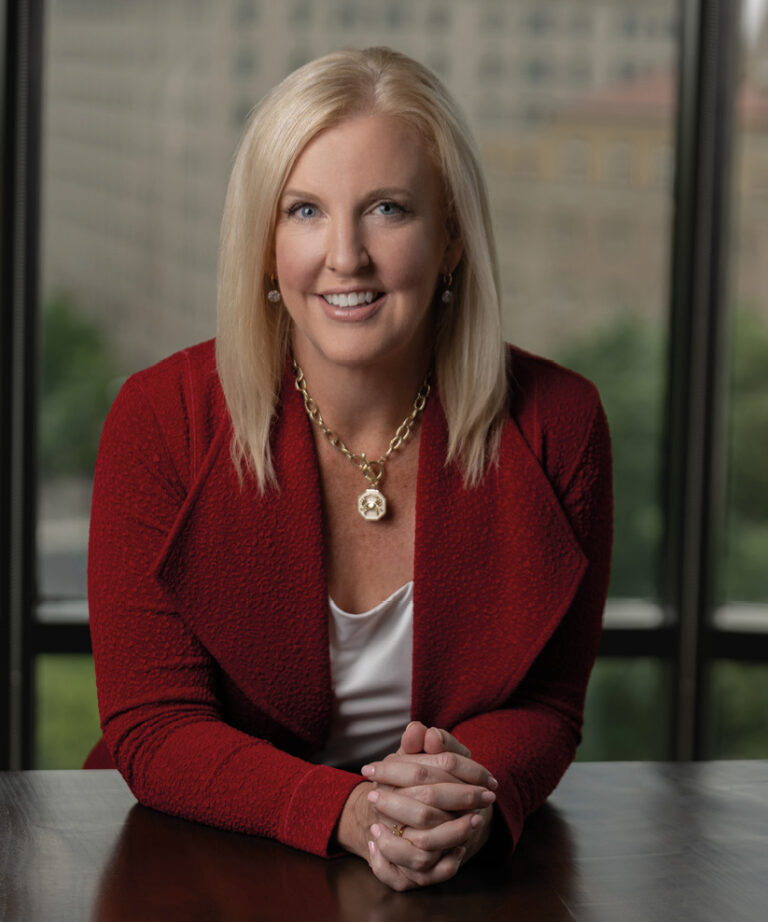





Looking back to 2017, when you first stepped into the role of President at SEIA, how did you see the US solar market back then?
Back then, solar was a much smaller piece of the puzzle. We had 36 GW of solar deployed in the entire United States, and we have over 255 GW today. We didn’t really have a manufacturing base either, at the time it was not within reach.
When I joined SEIA, President Trump had just been inaugurated for the first time, so politically in some ways things felt very similar to now. In January 2017 we were anxious about what this new president would do. Solar was small enough in the marketplace, and we were small enough in political stature and our impressions of ourselves as an industry that we presented in a very different way.
And when you compare that to today, how have things changed?
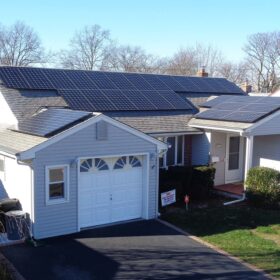
Looking at the metrics, it’s easy to see the comparison. The US went from 36 GW to more than 255 GW installed. We’ve quintupled the number of residential solar sales, from one million in 2017 to 5.5 million installed residential PV customers in 2025.
In 2017 we were 14th in the world in solar manufacturing capacity. We’re now the third largest solar manufacturing economy. We’ve added over 70,000 jobs. One that always amazes me is that we’ve gone from a $16 billion industry to a more than $70 billion industry.
Those things are easy to quantify, but just as important is how we perceive ourselves as part of the energy infrastructure. Today solar is undeniably a critical part of energy. I don’t remember the last time anyone used the term alternative energy or green energy. We are really just energy. And, we are the cheapest, the fastest, the most in the queue.
We have also learned a lot about political engagement, we are in contact with Democratic and Republican governors, we attended both parties National Conventions. As an industry, we are much more mature and sophisticated in our understanding of the political advocacy needs we have to utilize. It’s not as easy to quantify as some of those numbers, but it’s very important, and I’m proud of that.
With all those rapid market developments, how did the role of SEIA and your role as its President evolve during your time there?
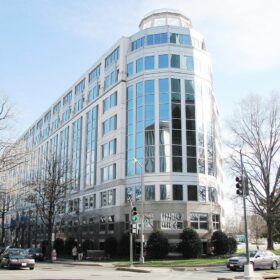
SEIA’s growth as an organization has mirrored that of the industry. We’re about three times bigger in terms of headcount and budget. We have a beautiful office overlooking the White House, and we have placed ourselves in the center of everything.
We have expanded the issues we work on as well. Now we have experts on our team in cybersecurity, in codes and standards, in all kinds of energy storage. We have a whole supply chain team, and we have built out regulatory capacity. We cover so many more states, because so many more states now are solar states. Our research capacity has expanded as well, and certainly our communication. Our board of directors has grown tremendously as well.

Could you see all that potential already back in 2017, or did some part of this rapid development come as a surprise to you?
The growth has not been a surprise. But the speed at which it’s happened has been more than I had anticipated, in all honesty. The unlocking of energy storage as well, whether from the technology, policy, or the financial perspective, has happened very quickly. That’s going to be an area that continues to drive our growth in the future. It has been such an honor to have a front row seat to witness this innovation, and this building of political power and economic wealth in our industry for the last almost decade.
The passing of the Inflation Reduction Act in 2022 was undoubtedly a key moment for the US solar industry, what can you tell us about that time?
That was a professional highlight for me, and a transformational moment for our industry. And that was the result of years of advocacy, there was a lot of work to make that happen. Even with some of the cuts that have happened in this past year, the IRA has provided and will continue to provide policy certainty for solar and for energy storage. And it has brought other policy outcomes we were looking for, like incentivizing domestic manufacturing. Without a doubt, that’s the biggest thing that’s happened in our industry in the last decade.
Are there any other highlights you’d like to mention?
I made it a priority early in my tenure to become more aware of the makeup of our industry, both who we’re employing and who we’re serving, and making sure that equity was centered in a lot of discussions. There’s still work to do, but we’ve made a lot of progress on that, and I think it has become much more instilled in our industry.
Another thing that I’m proud of was our reaction to issues that emerged a few years ago around forced labor and understanding where our materials were coming from. As an industry, we managed that head on, building up that infrastructure and capacity for traceability in a very short time. We’ve worked very closely with Customs and Border Protection to get clarity and market certainty around that. And we’ve done a lot of work in terms of community engagement and making sure that communities are aware and comfortable with the growth and the deployment.
Then we get to 2025, when US began to have a more difficult time on the policy side. How has this past year, and the shift in policy support and priorities that came with it, been for you?
It was quite a year, wasn’t it? I think we all knew that the election of President Trump would mean challenges to some of the policy constructs that had been created under President Biden. It was a hard-fought battle, and ironically, we’re still on target to install almost the same amount of solar in 2025 that we did in 2024. The market is still producing, and demand on the business side has offset some of the challenges on the political side. We can’t take two steps without hearing about AI and data centers and increased electricity demand, and all of those conversations include solar and storage as a part of the solution.
On the political side, affordability is getting to a crisis point, elections are being won and lost on policymakers’ ability to deliver affordable solutions. And again, solar and storage provide affordable electricity. Demand is going to continue to rise, not just from data centers, but from states and local governments and elected officials who are desperate for ways to bring down electricity prices.
Is there any advice you want to give, or words in parting to SEIA and to the US solar industry more broadly?
I am incredibly optimistic about the future for our solar and energy storage industries in the United States. One of the things that drew me, and has sustained me over all these years, is the innovation and flexibility of the US solar and storage markets. We move fast and we respond quickly to whatever is put in our way. I have no doubt the industry will continue to do that. One of our most valuable strategic advantages is our ability to pivot as situations and market dynamics change. So just keep doing that.
In 2026, it’s going to be key to keep focusing on our supply chains, for solar and for energy storage in particular. We still need to be cognizant of where our supply is coming from, and that it is from within the United States or from other places that share our values.
What’s next for you? Are there any plans you want to talk about?
I am going to take some time to think about what’s next. I feel so passionately about this energy transition, about justice and about our democracy. I’m not totally certain where that triad of deeply held beliefs will take me next, but some of the things I’ve learned in my time at SEIA are that I love working in community with other people. I love representing industries, issues, and people that believe deeply in what they’re doing. And I love growing organizations. I don’t know, but it will be some combination of those things.
This content is protected by copyright and may not be reused. If you want to cooperate with us and would like to reuse some of our content, please contact: editors@pv-magazine.com.



By submitting this form you agree to pv magazine using your data for the purposes of publishing your comment.
Your personal data will only be disclosed or otherwise transmitted to third parties for the purposes of spam filtering or if this is necessary for technical maintenance of the website. Any other transfer to third parties will not take place unless this is justified on the basis of applicable data protection regulations or if pv magazine is legally obliged to do so.
You may revoke this consent at any time with effect for the future, in which case your personal data will be deleted immediately. Otherwise, your data will be deleted if pv magazine has processed your request or the purpose of data storage is fulfilled.
Further information on data privacy can be found in our Data Protection Policy.