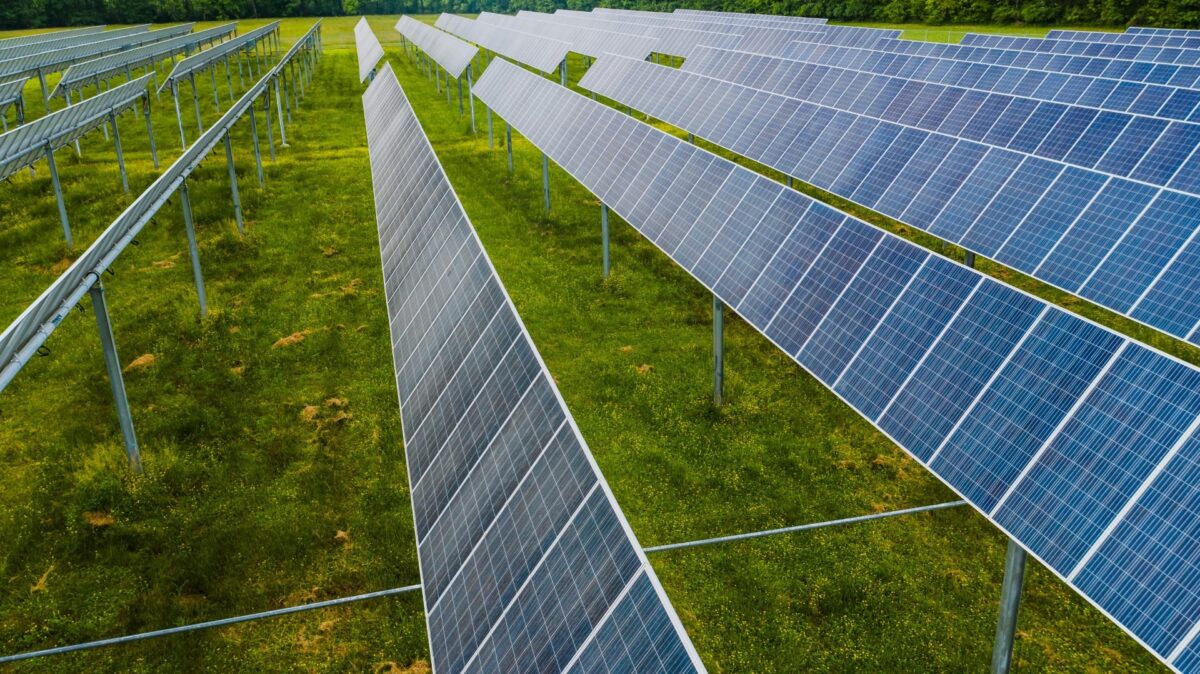





The U.S. solar market is in transition. The pace of growth, fueled by widespread government incentives, has been incredibly fast in recent years. Battery deployment is still climbing, even as building bankable solar projects and earning capital gets trickier, but the market is moving into a more selective phase where execution matters more than momentum.
After last year’s One Big Beautiful Bill Act (OBBBA), the next several months are emerging as a critical fork in the road for solar and storage.
According to Zoë Gamble, the president of CleanChoice Energy, 2026 will serve as a “sorting year” for the two sectors, which will be driven by policy and financing behaviors. Capital will still be available, she told pv magazine USA, but it’s likely to be “concentrated in projects that can demonstrate early procurement, compliance-ready supply chains and execution certainty.”
“Right now, developers are intensely focused on executing what can realistically get done between now and 2030,” Gamble pointed out. Though she still sees “meaningful opportunity” during that time, seizing it will rest on a developer’s ability to act early and reduce execution risks.
“Projects that safe harbor equipment purchases by mid-2026 effectively buy themselves up to four additional years to complete construction,” she said. Those who don’t, however, might face higher costs and tighter financing down the line that could eliminate any remaining paths to viability.
“The combination of foreign entity of concern (FEOC) rules, stricter construction definitions and political uncertainty will increasingly determine which projects move forward and fall away,” Gamble explained.
In her eyes, post-OBBBA safe harboring “is no longer a check-the-box” exercise. It’s instead a ticking clock against complex regulations. “Developers are no longer just trying to lock in tax credits. They are trying to secure compliant supply chains before rules around foreign sourcing and domestic content tighten further.”
It’s also growing more difficult to secure financing. Gamble noted that both lenders and investors are taking deeper looks at whether developers can show “real, project-specific manufacturing work” for specialized equipment like transformers or trackers, and whether they can produce that proof before the mid-2026 deadline. Balance sheets are no longer the only things that matter.
“As tax equity structures grow more complex and compliance risk increases, capital is concentrating around developers that can demonstrate early procurement, compliant supply chains, committed construction timelines and clear paths through permitting and community engagement,” she said. Those that can manage all of those variables are the most likely to keep bagging funds moving forwards, even as the pot dwindles.
And, from a financing standpoint, competing in the market will be trickier than ever for developers who rely on continuous capital raises.
Instead, Gamble noted, “platforms with existing cash flow, disciplined procurement practices and experience structuring tax equity and debt under evolving rules” will be better-positioned for success.
But community-supported projects that don’t need any federal permits and that have firm interconnection timelines are growing scarcer. What may have appeared viable on paper a year or two ago might be mired in interconnection queues or long permitting processes. As those pressures pile on, many developers have little choice but to sell assets, restructure or exit the market all together.
Yes, capital is still available, but, as Gamble pointed out, underwriting standards are tightening as lenders and tax equity investors focus more heavily on delivery risk, structural complexity and sponsor capability.
“That shift is likely to surface a wave of stressed situations and bankruptcies, particularly among developers that lack operating revenue, balance sheet flexibility or experience managing complex financings,” she explained, noting that this will likely accelerate company consolidation in the coming months.
This content is protected by copyright and may not be reused. If you want to cooperate with us and would like to reuse some of our content, please contact: editors@pv-magazine.com.






By submitting this form you agree to pv magazine using your data for the purposes of publishing your comment.
Your personal data will only be disclosed or otherwise transmitted to third parties for the purposes of spam filtering or if this is necessary for technical maintenance of the website. Any other transfer to third parties will not take place unless this is justified on the basis of applicable data protection regulations or if pv magazine is legally obliged to do so.
You may revoke this consent at any time with effect for the future, in which case your personal data will be deleted immediately. Otherwise, your data will be deleted if pv magazine has processed your request or the purpose of data storage is fulfilled.
Further information on data privacy can be found in our Data Protection Policy.