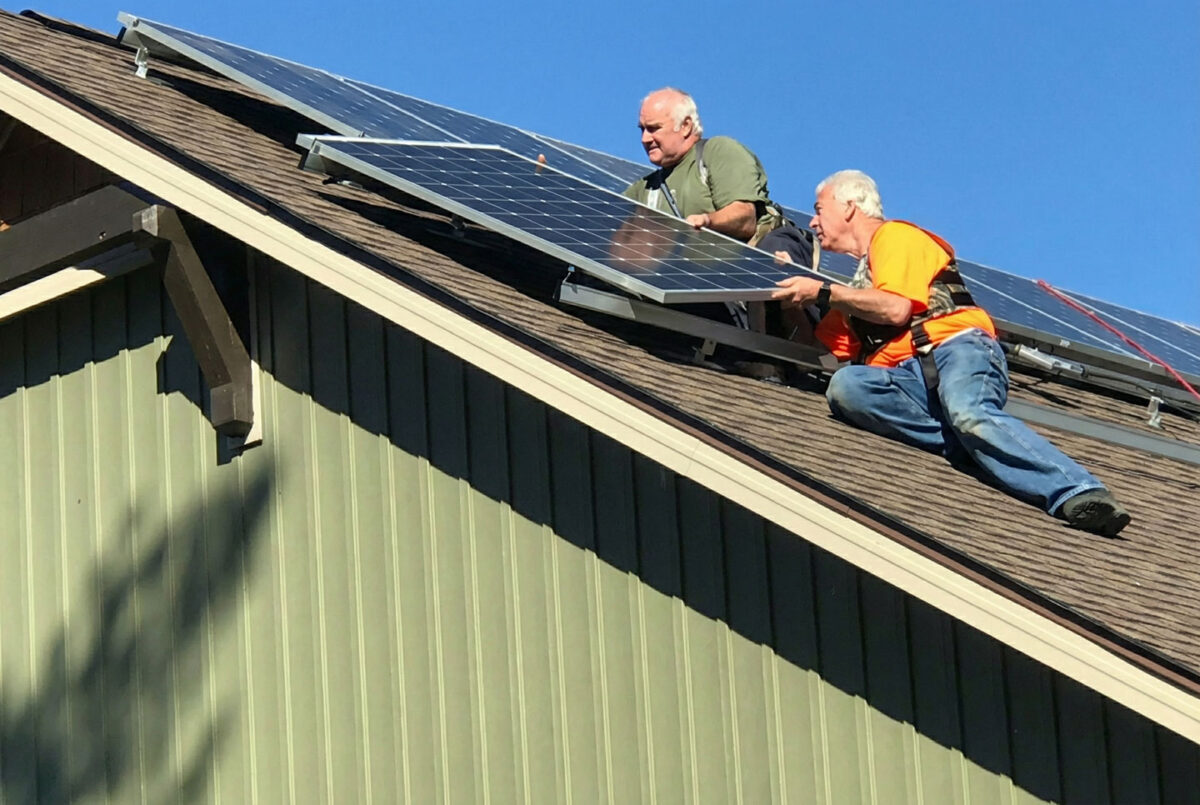





Twenty years ago, at the age of 23 with $100 to his name, Deep Patel founded GoGreenSolar, the first of several companies he started or acquired with a focus on DIY (do it yourself). Today those companies, which also include The AltE Store, Real Goods and Unbound Solar, are rolled into the GigaWatt Network, which specializes in DIY solar and battery storage.
In an interview with pv magazine USA, Patel said it was a college research paper that led him into the solar industry, but it was not until after a short-lived career in finance. While doing research for that paper, Patel attended Solar Power 2006 where he met a lot of people who impressed him because they were passionate about what they did.
“These folks were on a mission,” Patel said, explaining that solar was hot in California because then-Governor Schwarzenegger had just signed California solar policy into law. After graduation, working in finance didn’t resonate with him, Patel said. “I didn’t feel drawn to a mission or to problems people were solving,” and thus GoGreenSolar was born. He admits he didn’t know much about solar at the time, so he just started by blogging about it.
“People asked questions that I didn’t know the answers to, but I had contacts,” he said. At first he was a middleman, but the company soon evolved into a solar and battery storage kit provider.
Today GigaWatt provides solar modules, batteries, inverters, racking systems, plan sets, financing, interconnection services and commissioning — basically everything that’s needed for an installation, without the installation. “We’re problem solvers, though, so if the customer needs it installed, we can refer them to a licensed contractor in select areas,” Patel said.
Customers within the DIY space are not just homeowners looking to do it themselves, but also first-time contractors, roofers, electricians and home builders.
Geographically GigaWatt has a strong customer base in California, Arizona, Oregon and is seeing increased business in the northeast. California home builders make up a large market now that they have to be following the mandate that most new single-family homes and low-rise multifamily buildings must include solar, according to the 2025 Title 24 energy code.
Keeping costs down for the target customer is key to GigaWatt’s business model, and Patel explained that that’s why the company doesn’t aim to provide domestically produced products because they often cost more. “What we believe in is the ‘ITC buster package’,” Patel said, alluding to the fact that residential solar customers can no longer claim the 30% investment tax credit on a system, which came with an adder for domestic content. Instead, GigaWatt provides a “straight price” for the kit, which Patel said is going to be a winner in the market.
Asked what the biggest game changer is in his two decades in the market, Patel said emphatically, “energy storage.” At a retail cost of $250 per kilowatt hour or less, energy storage is priced as low as we’ve ever seen, he said. It’s getting cheaper, becoming more reliable, safer and more efficient, according to Patel. “Once you figure out energy storage, that’s it. Game over. You got power to the people.”
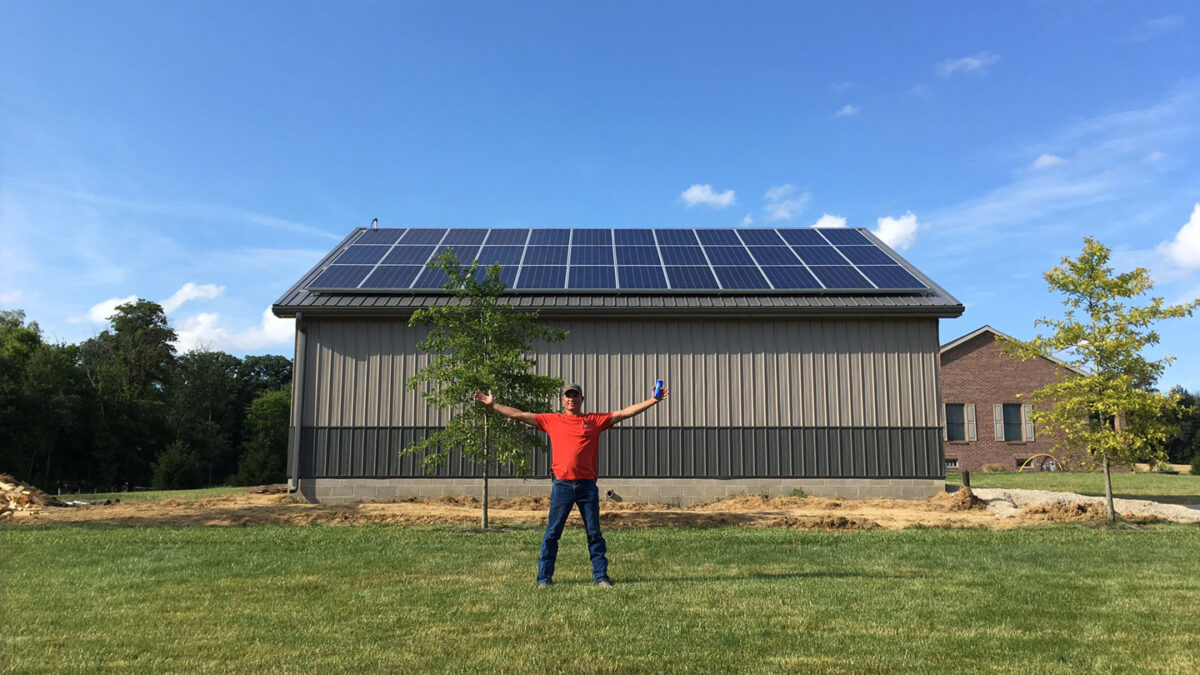
After nearly two decades in business, the company has been gaining traction but it’s about to enter a new phase. “We’re about to raise some money to really scale our growth,” Patel said, estimating that the company plans to scale to over $100 million in revenue a year, or a 10X increase by 2029.
GigaWatt recently announced a crowdfunding raise that’s open to both accredited and non-accredited investors available through StartEngine. The company plans to use the capital to speed development and certification of its Real Goods branded inverters, batteries, panels and the Real Goods Hub, a centralized software platform that connects hardware and streamlines support. The hub will integrate artificial intelligence that is expected to enhance diagnostics, system performance and customer support. Additional funding will be directed toward expanding research and development, engineering as well as sales and marketing teams.
This content is protected by copyright and may not be reused. If you want to cooperate with us and would like to reuse some of our content, please contact: editors@pv-magazine.com.






By submitting this form you agree to pv magazine using your data for the purposes of publishing your comment.
Your personal data will only be disclosed or otherwise transmitted to third parties for the purposes of spam filtering or if this is necessary for technical maintenance of the website. Any other transfer to third parties will not take place unless this is justified on the basis of applicable data protection regulations or if pv magazine is legally obliged to do so.
You may revoke this consent at any time with effect for the future, in which case your personal data will be deleted immediately. Otherwise, your data will be deleted if pv magazine has processed your request or the purpose of data storage is fulfilled.
Further information on data privacy can be found in our Data Protection Policy.