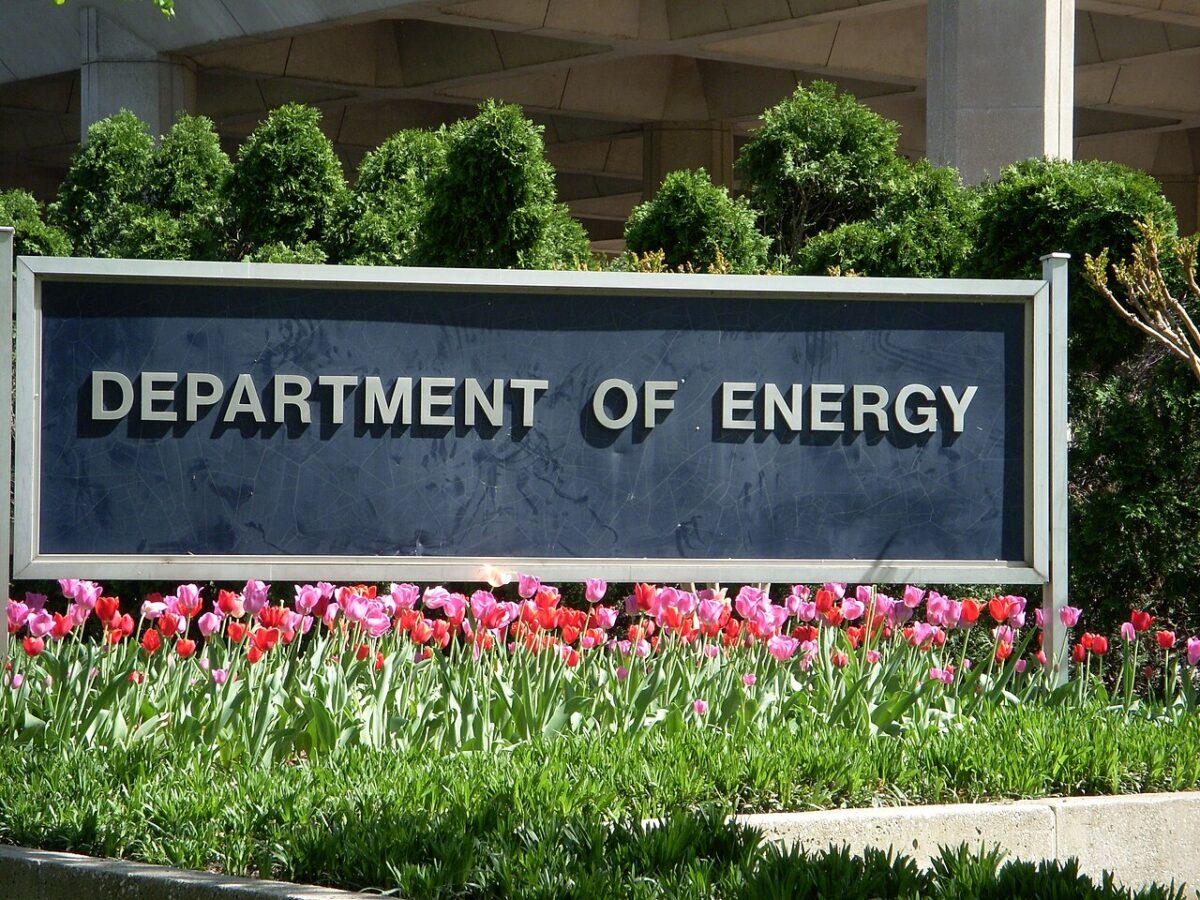





A federal judge ruled Monday that the Department of Energy acted illegally when it canceled $7.6 billion in clean energy grants last October. The decision follows lawsuits filed after the administration issued orders to freeze spending on roughly 220 clean energy projects across 16 states.
The ruling addresses the administration’s use of the One Big Beautiful Bill Act of July 2025. This legislation authorized the executive branch to rescind funds not yet committed to specific contracts. Following the act’s passage, the Department of Energy canceled grants for battery plants, hydrogen technology, and electric grid upgrades.
The court found the administration primarily targeted grant recipients in states that supported the Democratic candidate Kamala Harris in the 2024 election.
Justice Mehta ruled based on the Equal Protection Clause of the Constitution. He said the administration acted “vindictively” because the cuts targeted every single state that voted for the Democratic candidate in 2024, while sparing projects in “red states.”
The legal outcome affects litigation regarding the Environmental Protection Agency. In August 2025, the EPA moved to claw back $7 billion from the Solar for All program. Nineteen states sued the EPA in October 2025, alleging the agency breached contracts by withdrawing money obligated in 2024. The plaintiffs in the Solar for All case argue that the One Big Beautiful Bill Act only applies to unobligated funds.
The Department of Energy stated the projects were terminated because they did not meet standards for taxpayer spending. Officials claimed the projects did not align with national energy needs. The court ordered the Department of Energy to vacate the terminations and resume the disbursement of funds.
The ruling requires the administration to release funds for projects including a hydrogen hub in California and a project in the Pacific Northwest. Hydrogen projects in Texas and West Virginia were not targeted for rescission. The Department of Justice has not confirmed if it will appeal the decision.
This content is protected by copyright and may not be reused. If you want to cooperate with us and would like to reuse some of our content, please contact: editors@pv-magazine.com.




This is bs
What’s BS is cancelling the California hydrogen project while leaving the Texas project in place. Combined with the larger pattern of cancelling only blue state projects, the political animus is obvious.
So 99% of these specious rulings are being thrown out in the appeals courts. You bore me
I think they absolutely not be released due to so much mismanagement and fraud. Let these states reapply for these projects and go from there. This is a whole lot of our taxpayer money and do not want these funds released without revaluation.
You know from what I hear the environmental impact on manufacturing solar panels and wind turbines does more harm than good for the environment. So how do you justify the cost in these and why are we giving money to Companies that will supposedly make a profit off of them. Do the taxpayers see any of than or is it given in bonuses to the executives already making millions a year.
Are the cancelled projects all in Democrat voting states because they were awarded to those states initially in order to persuade the vote for Democrats? Getting real tired of these local judges wasting vouchers time and money