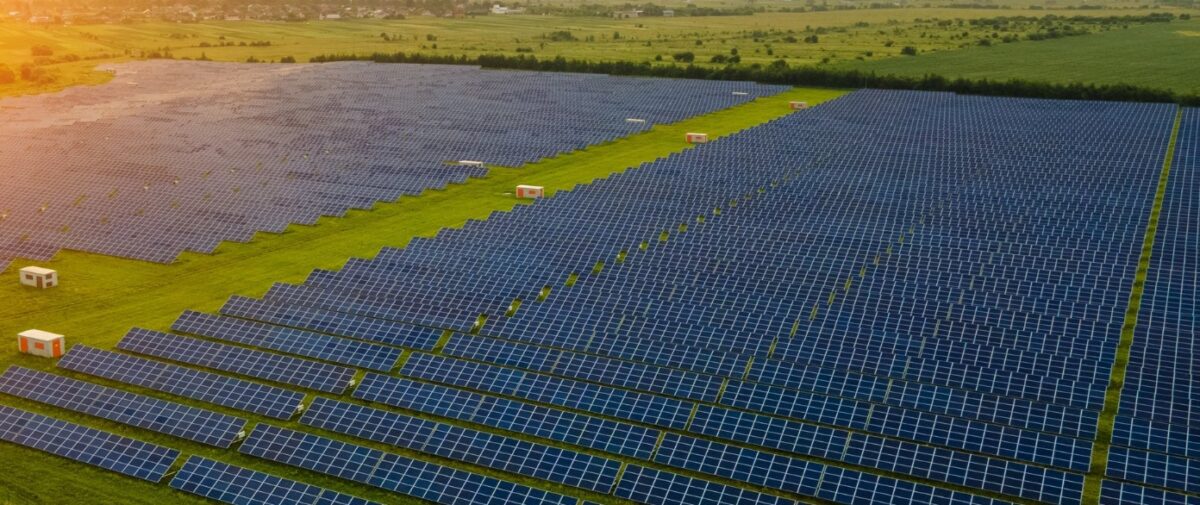





Treaty Oak Clean Energy reached financial close and started construction on two solar facilities in Louisiana. The portfolio consists of the Beekman Solar Project and the Hollis Creek Solar Project.
The projects are located in Morehouse Parish and Sabine Parish and have a combined capacity of 385 MW.
Beekman Solar will provide 185 MW of power. Financing for this site totaled $410 million. Blattner Energy serves as the contractor for the solar installation while Dashiell manages the high voltage work. First Solar is supplying the modules for this location.
Hollis Creek Solar will provide 200 MW of power. This project secured $399 million in financing.
Primoris Renewable Energy is the engineering, procurement, and construction firm for the facility and Beta Engineering is handling the high voltage infrastructure. Both projects utilize trackers from Nextpower.
The facilities are scheduled to reach commercial operation in the first half of 2027. Meta Platforms signed long term agreements to purchase the environmental attributes from the sites. The electricity will enter the local grid to support regional energy needs.
The Louisiana projects are expected to create 300 jobs during the peak of construction. They are expected to generate $100 million in tax revenue for the state and local communities over their lifespans.
Treaty Oak operates as a portfolio company of Macquarie Asset Management. The developer maintains a pipeline of 17.3 GW of solar, wind and storage assets across the United States. This expansion follows a $300 million credit facility secured in mid-2025 to support project growth.
This content is protected by copyright and may not be reused. If you want to cooperate with us and would like to reuse some of our content, please contact: editors@pv-magazine.com.





By submitting this form you agree to pv magazine using your data for the purposes of publishing your comment.
Your personal data will only be disclosed or otherwise transmitted to third parties for the purposes of spam filtering or if this is necessary for technical maintenance of the website. Any other transfer to third parties will not take place unless this is justified on the basis of applicable data protection regulations or if pv magazine is legally obliged to do so.
You may revoke this consent at any time with effect for the future, in which case your personal data will be deleted immediately. Otherwise, your data will be deleted if pv magazine has processed your request or the purpose of data storage is fulfilled.
Further information on data privacy can be found in our Data Protection Policy.