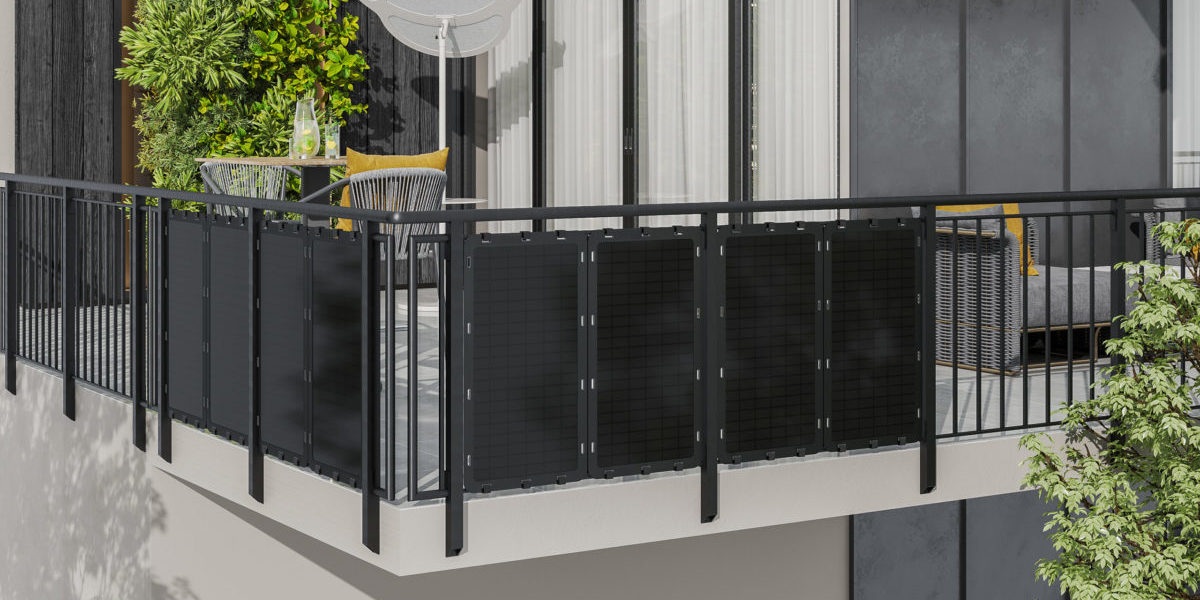





California State Senator Scott Wiener introduced Senate Bill 868, titled the Plug Into the Sun Act. The legislation seeks to establish statewide safety standards and eliminate regulatory barriers for portable and balcony solar devices. The bill is part of the Clean Homes and Energy Affordability Package.
The proposed law defines balcony solar systems as devices between 400 W and 1,200 W that connect to a standard 120 V wall outlet. The systems use integrated microinverters to convert direct current into alternating current for direct connection with home appliances.
The bill prohibits utilities from triggering formal interconnection agreements for these devices.
California electricity rates have nearly doubled over the past decade, according to data from the California Public Utilities Commission (CPUC). Southern California Edison projected a 12.9% rate increase for 2026.
Proponents of the bill state that balcony solar can reduce a household’s average electricity use by up to 20%. Estimated annual savings for a typical California household reach approximately $450 or about $37.50 per month.
The Environmental Working Group is the primary sponsor of the legislation. Other supporting organizations include the California Solar and Storage Association, Solar Rights Alliance, and Environment California.
Approximately 44% of California households are renters. Portable systems have the added benefit of enabling renters to move the hardware between residences.
Current state regulations treat plug-in systems as large-scale power plants. This classification requires costly permits and utility approvals. SB 868 reclassifies the devices as appliances similar to a toaster oven.
The bill requires the Senate Energy, Utilities and Communications Committee to consider the measure later this spring.
Similar technology is already utilized in Europe. Germany reports over four million installed balcony solar units. Utah passed legislation allowing these systems prior to the California introduction.
“SB 868 prohibits unnecessary red tape so more Californians can plug into the sun today,” said Bernadette del Chiaro, senior vice president for California at Environmental Working Group.
This content is protected by copyright and may not be reused. If you want to cooperate with us and would like to reuse some of our content, please contact: editors@pv-magazine.com.




This is great!
One step closer to freeing us from the yoke of the utility companies and their friends, the fossil fuel oligarchs.
Great! Another step towards a clean energy future. Anything that reduces our reliance on dirty sources of energy is a win for the planet.
Yes, Indeed: It will be a great move.
This could be the start of a tsunami of “behind the meter” solar build. Bureaucracy, red tape and institutional inertia has been holding back the mass implementation of solar . With “plug and play” consumer appliances for solar and storage, (even with modest restrictions on size), the sky is the limit.
The USA could conceivably catch up to Australia where home solar is sitting at something like 30% market penetration (or higher)