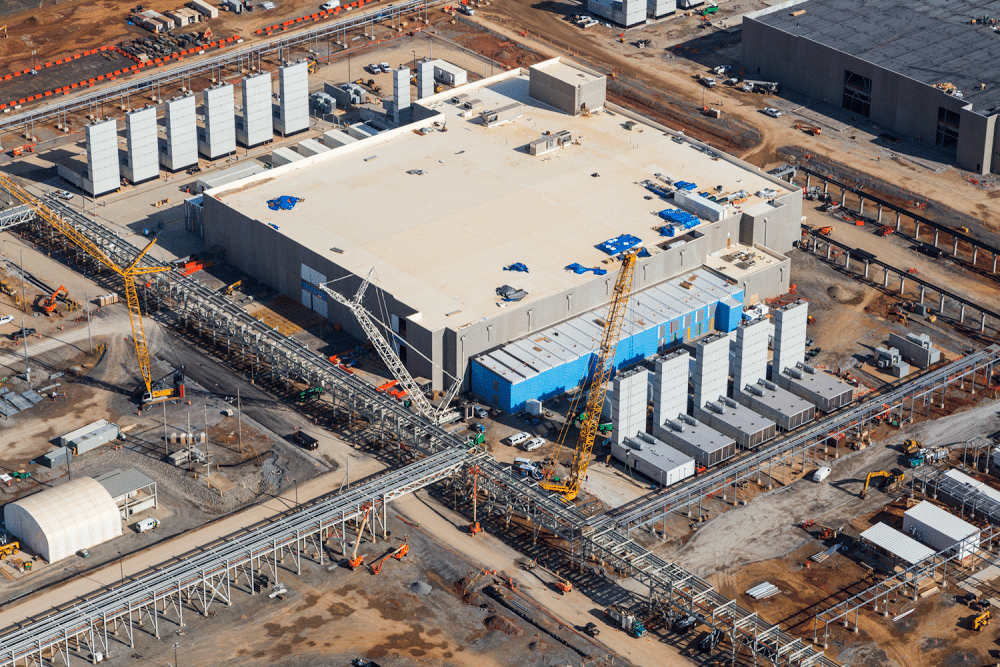





Hyperscale data center developers are co-locating generation and storage to avoid interconnection queues. The traditional grid is failing to meet the power requirements of generative AI, said Wood Mackenzie.
Developers added 45 GW to U.S. project pipelines in the third quarter of 2025, according to a Wood Mackenzie Q3 data center report. The industry is shifting toward energy parks that integrate solar and battery storage on site.
The U.S. planned solar and storage pipeline reached 245 GW of planned capacity as of mid-October. The growth is driven by speculative projects and renewable deals signed by hyperscalers, said the report.
Texas accounts for more than a quarter of pipeline capacity. The pipeline in the state nearly doubled from 35 GW in the first quarter to 67 GW in the third quarter.
Alphabet (Google) announced a $4.75 billion acquisition of developer Intersect Power in December 2025. The deal allows Google to build infrastructure in along with new power generation, avoiding interconnection delays.
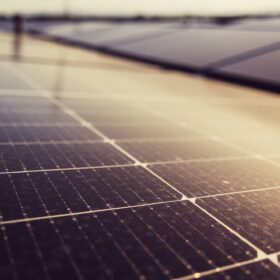
Solar and storage are the preferred solutions for the current power bottleneck due to project deployment speed and geographical flexibility, said the report. Solar and battery projects can be sited on or adjacent to data center campuses using a “private wire” or “direct connect” configuration. This allows developers to avoid the years-long wait times for traditional utility grid upgrades.
Unlike natural gas or nuclear, which require massive centralized infrastructure and long lead times for permitting, solar and storage are modular. This allows data center developers to pace power generation buildout with the phased construction of datacenters.
Along with generation from solar, battery energy storage systems offer a solution for AI datacenter workloads. AI chips create instantaneous power spikes that strain distribution lines. adding behind the meter storage addresses these fluctuations, supporting reliability.
The utility scale storage segment installed 4.6 GW in the third quarter of 2025. This represents a 27% increase year over year. Texas and California contributed 82% of installed capacity.
Developers are prioritizing sites where they can run private transmission lines from solar facilities to data centers. This private wire configuration removes projects from public interconnection queues.
Wood Mackenzie said access to power is the primary obstacle to AI growth. Over 24 GW of demand created by data center announcements were tracked in the first half of 2025. This volume is more than triple the amount recorded in the first half of 2024.
Solar and storage represent 91% of clean power additions in the third quarter, said the report. The data center boom has made solar and storage a physical necessity for AI project viability.
This content is protected by copyright and may not be reused. If you want to cooperate with us and would like to reuse some of our content, please contact: editors@pv-magazine.com.



By submitting this form you agree to pv magazine using your data for the purposes of publishing your comment.
Your personal data will only be disclosed or otherwise transmitted to third parties for the purposes of spam filtering or if this is necessary for technical maintenance of the website. Any other transfer to third parties will not take place unless this is justified on the basis of applicable data protection regulations or if pv magazine is legally obliged to do so.
You may revoke this consent at any time with effect for the future, in which case your personal data will be deleted immediately. Otherwise, your data will be deleted if pv magazine has processed your request or the purpose of data storage is fulfilled.
Further information on data privacy can be found in our Data Protection Policy.