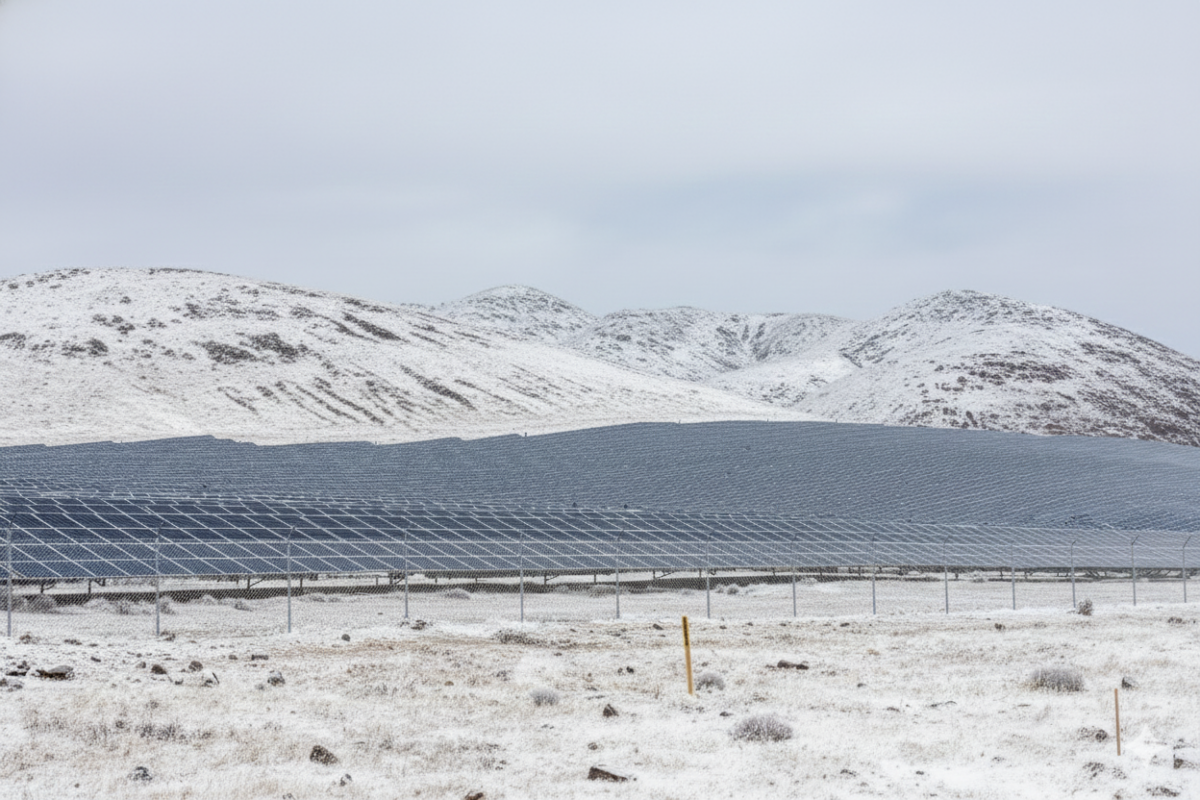





The devastating impact of Winter Storm Uri in February 2021 fundamentally transformed how the electric power industry approaches cold weather preparedness. This unprecedented event, which caused the largest controlled firm load shed in U.S. history, exposed critical vulnerabilities across the Bulk Electric System (BES) and catalyzed sweeping regulatory changes that renewable energy facilities must now navigate.
The storm affected Generator Owners and Operators, Transmission Owners and Operators, Balancing Authorities, and Reliability Coordinators across multiple regions. The comprehensive response from FERC and NERC resulted in new standards to increase generation facility availability during extreme weather events while enhancing transmission grid reliability. For renewable energy facilities, these standards present unique challenges and compliance obligations that require careful attention.
Regulatory framework
Operational requirements
The initial regulatory response came through Project 2019-06, which added critical requirements to Reliability Standard EOP-011-2. Generator Owners must now determine cold weather operational limitations, create comprehensive cold weather preparedness plans, maintain these plans, and provide training to operations and maintenance personnel. The modifications to IRO-010 and TOP-003 established requirements for sharing cold weather operational limitations across Transmission Owners, Balancing Authorities, and Reliability Coordinators. These revisions became effective on April 1, 2023.
Project 2021-07: Extreme Cold Weather Grid Operations
Building on the initial response, Project 2021-07 addressed “Extreme Cold Weather Grid Operations, Preparedness, and Coordination.” This project emerged from FERC and NERC’s comprehensive joint report on the February 2021 cold weather outages, which generated twelve key recommendations for industry-wide improvements. Nine of these recommendations were incorporated into NERC Standards through a Standards Authorization Request (SAR), with a dedicated Standards Drafting Team assembled in February 2022.
Emergency operations
The revision to EOP-011-2 created EOP-011-3, which removed Generator Owner and Generator Operator obligations and transferred them to the new EOP-012-1 standard. Importantly, EOP-011-3 modified requirements to ensure that designated manual load shed minimizes overlap with critical load and Under Frequency Load Shedding (UFLS)/Under Voltage Load Shedding (UVLS) circuits. The standard also requires provisions to determine reliability impacts due to cold and extreme weather conditions.
Extreme cold weather
This new standard represents the most significant compliance obligation for renewable energy facilities. EOP-012-1 establishes design and operating parameters for generation units to account for low temperatures while considering the effects and potential operational impact of wind and precipitation—factors particularly relevant to wind and solar facilities.
The standard introduces three new defined terms that clarify, down to the component level, the applicable unit elements and prescribed temperature calculations that Generator Operators must protect. For renewable facilities, this means understanding how inverters, panels, turbine components, and control systems respond to extreme cold.
One of the most important additions in EOP-012-1 is the requirement for Corrective Action Plans (CAPs) following any Generation Cold Weather Reliability Event. This obligation requires Generator Owners to execute documented analysis after applicable cold weather events, with formal CAP creation, tracking, and disposition.
As an evolution of the Extreme Cold Weather Preparedness plans, the standard, EOP-012-2, is built upon EOP-012-1 by clarifying its applicability and individual requirements, while incorporating enhancements directed by FERC. A key addition of the standard is clarifications on the obligations for Generator Owners to calculate the Extreme Cold Weather Temperature for each generating unit location, identify relevant cold weather data, and review these calculations every five years, also, maintain existing provisions from EOP-011-1, requiring Generator Owners to develop cold weather preparedness plans and conduct annual training. The revised standard clarifies which generating units fall under winter operations capability requirements. Additionally, it introduces timelines for completing Corrective Action Plans and addresses the communication of Generator Cold Weather Constraint declarations.
For renewable facilities, this requirement presents unique challenges. The technical rationale for implementing freeze protection measures varies significantly across different generation technologies and geographic locations. A wind farm in North Dakota faces different winterization needs than a solar facility in Texas. Generator Owners must understand how these requirements apply to their specific fleet composition and individual generating plants.
Phase 2 recommendations
The ongoing Phase 2 implementation focuses on several critical areas that will further shape cold weather preparedness requirements. One of the primary focuses involves the development of new or revised mandatory reliability standards for generator and transmission weatherization. These standards will establish requirements for inspection and maintenance of freeze protection measures before and during winter seasons, along with funding mechanisms to support weatherization efforts across the industry.
Natural gas infrastructure coordination represents another crucial component of Phase 2 recommendations. The interconnected nature of gas and electric systems became painfully evident during Winter Storm Uri, leading to requirements for enhanced winterization of natural gas infrastructure, particularly production and delivery systems. Improved coordination between natural gas and electric industries during emergencies is now mandated, with better identification and communication of risks related to gas supply contracts and their potential impact on firm load shedding decisions. This coordination is particularly relevant for renewable facilities with backup generation capabilities.
Planning and operational enhancements form the third pillar of Phase 2 recommendations. Winter reserve margin calculations must now account for more extreme weather scenarios, recognizing that historical patterns may not adequately predict future conditions. Load shedding protocols require revision to ensure critical infrastructure, including gas facilities that support electric generation, receives protection during extreme events. Additionally, improved coordination of manual and automatic load shed procedures across reliability coordinators will help prevent cascading failures during widespread cold weather emergencies.
Renewable energy facilities face distinct cold weather challenges that require tailored approaches:
Wind generation
- Blade icing and its impact on production
- Low-temperature shutdowns of turbines
- Winterization of nacelle components and control systems
- Cold weather lubrication requirements
Solar generation
- Snow accumulation on panels reducing output
- Inverter performance in extreme cold
- Battery energy storage system (BESS) temperature management
- Reduced daylight hours during winter storms
Hybrid facilities
- Coordination between multiple generation technologies
- Energy storage performance in cold weather
- Complex operational decision-making during extreme events
New regulations
During the January 2025 Arctic cold snap, the U.S. power grid demonstrated remarkable resilience, with renewable energy playing a critical role in maintaining reliability. Grid operators across regions like PJM, ERCOT, and SPP reported uninterrupted service despite record-breaking demand and sub-zero temperatures. Wind and solar generation, bolstered by improved forecasting and integration protocols, contributed significantly to meeting peak loads. These successes were underpinned by cold weather operational standards introduced after Winter Storm Uri, which mandated enhanced preparedness, freeze protection, and cross-sector coordination—ensuring that renewables could perform reliably even in extreme conditions.
The event marked a turning point in how renewables are viewed during winter emergencies. FERC and NERC’s post-Uri reforms, including standards EOP-011-3, EOP-012-1, and their subsequent revisions to the current EOP-011-4 and EOP-012-3, required generators (renewable and conventional) to implement cold weather readiness plans and conduct annual training. As a result, wind turbines were better equipped to handle icing risks, and solar facilities improved their energy output forecasting. The January 2025 performance showcased how regulatory foresight and technological adaptation can enable renewables to be dependable contributors to grid stability, even in the harshest weather.
Cold weather strategy for facility operators
Develop and maintain detailed cold weather preparedness plans that address equipment-specific challenges
Implement robust training programs for operations and maintenance personnel
Establish clear procedures for CAP development following cold weather events
Coordinate with Transmission Owners and Balancing Authorities regarding operational limitations
Monitor industry developments through FERC/NERC technical conferences and forums Invest in appropriate weatherization measures based on site-specific risk assessment
Oscar Vite is Compliance & Risk Engineer for Radian Generation with expertise in energy infrastructure and regulatory standards. He has contributed to winter readiness strategies for power generation and supports NERC compliance across diverse operational environments.
The views and opinions expressed in this article are the author’s own, and do not necessarily reflect those held by pv magazine.
This content is protected by copyright and may not be reused. If you want to cooperate with us and would like to reuse some of our content, please contact: editors@pv-magazine.com.




By submitting this form you agree to pv magazine using your data for the purposes of publishing your comment.
Your personal data will only be disclosed or otherwise transmitted to third parties for the purposes of spam filtering or if this is necessary for technical maintenance of the website. Any other transfer to third parties will not take place unless this is justified on the basis of applicable data protection regulations or if pv magazine is legally obliged to do so.
You may revoke this consent at any time with effect for the future, in which case your personal data will be deleted immediately. Otherwise, your data will be deleted if pv magazine has processed your request or the purpose of data storage is fulfilled.
Further information on data privacy can be found in our Data Protection Policy.