Solar above 60° North: The Arctic as PV’s next frontier
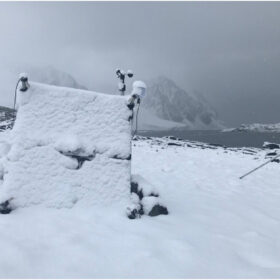
An IEA-PVPS report finds that solar power above 60° North is not only viable but rapidly expanding, driven by cold-climate performance gains, bifacial technologies, and rising energy security needs. While challenges like extreme seasonality, snow, permafrost, and scarce data remain, Arctic PV is emerging as a critical—and technically distinct—frontier for global solar deployment.
The theory and practice of plug-in solar
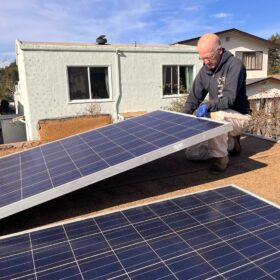
Achieving a system cost of $0.65 per watt through the secondary market and DIY assembly demonstrates a viable pathway for U.S. plug-in solar to provide immediate utility bill relief to renters and apartment dwellers.
Who are the Top 100 PV manufacturers today?
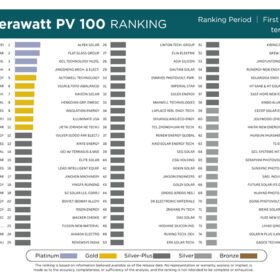
The Terawatt PV 100 ranks the top 100 solar manufacturing companies using a new methodology based on production scale, financial strength, and corporate transparency, with Tongwei leading the Q1 2026 list and most top firms headquartered in China. The analysis highlights increasing global supply-chain scrutiny driven by tariffs and ESG mandates, while also showing rising influence from Indian companies and strong positions for key materials and equipment suppliers.
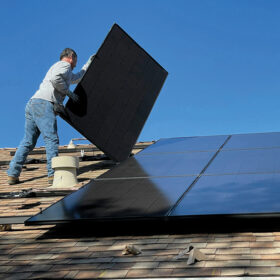
Private deals, public marketplace breaking the quiet bottleneck of solar sales
The solar industry continues to innovate as demand reaches new sales levels, yet outdated transaction models remain a significant barrier to growth.

Envisioning IRA 2.0: Restoring U.S. energy leadership
Securing U.S. economic sovereignty through a modernized, long-term framework for domestic manufacturing and grid resilience.
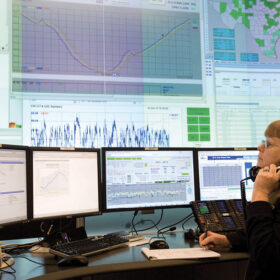
Why generative AI is good for grids
Extreme weather events have brought grid resilience into focus in the United States, where hurricanes can wreak havoc on energy infrastructure. During a crisis, quick decisions in the control room are essential – and predicting faults before they occur can prevent major disruption. San Francisco-based AI professional Rudrendu Paul examines how generative AI can improve stability and security, starting with microgrids.
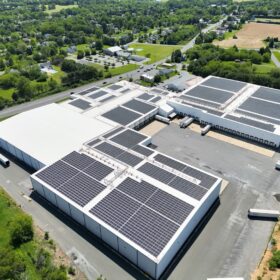
Proven ways to improve solar site performance and longevity
Solar Energy systems are designed and built with the intention of providing clean energy for 25+ years. However, the actual life span and performance of solar assets are highly dependent on numerous factors, including installation quality, equipment and product quality, preventative maintenance, operational strategies, and effectiveness of remediation efforts.

Lessons from the solar frontier
Utility-scale solar projects are larger, interconnections are slower, and engineering decisions must anticipate regulation and supply chains years in advance. At the CT Solar Platform in Snyder, Texas – a 1.6 GW AC single-site development – the first phase, CT Solar One (110 MW AC), has been a test bed for integrating civil design, BOS optimization and domestic-content strategy. Levona Renewables led the development and engineering of the project and CEO Fernando Queiroz shares some key lessons.
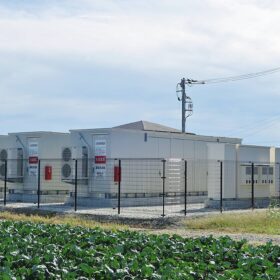
Beyond resilience: Unlocking the revenue of battery storage
The shift from backup power to dynamic revenue generation is transforming energy storage into a core pillar of modern solar project economics.
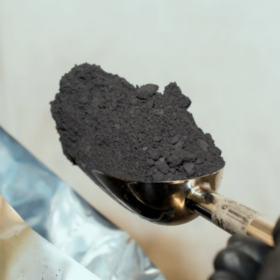
Graphene could improve durability of perovskite solar cells
Nearly 20 years after the first perovskite solar cell was developed, its efficiency and durability are drawing interest from industries worldwide. The defense sector is among the most active, as rising geopolitical tensions drive record government spending to protect critical systems from disruption and attack.