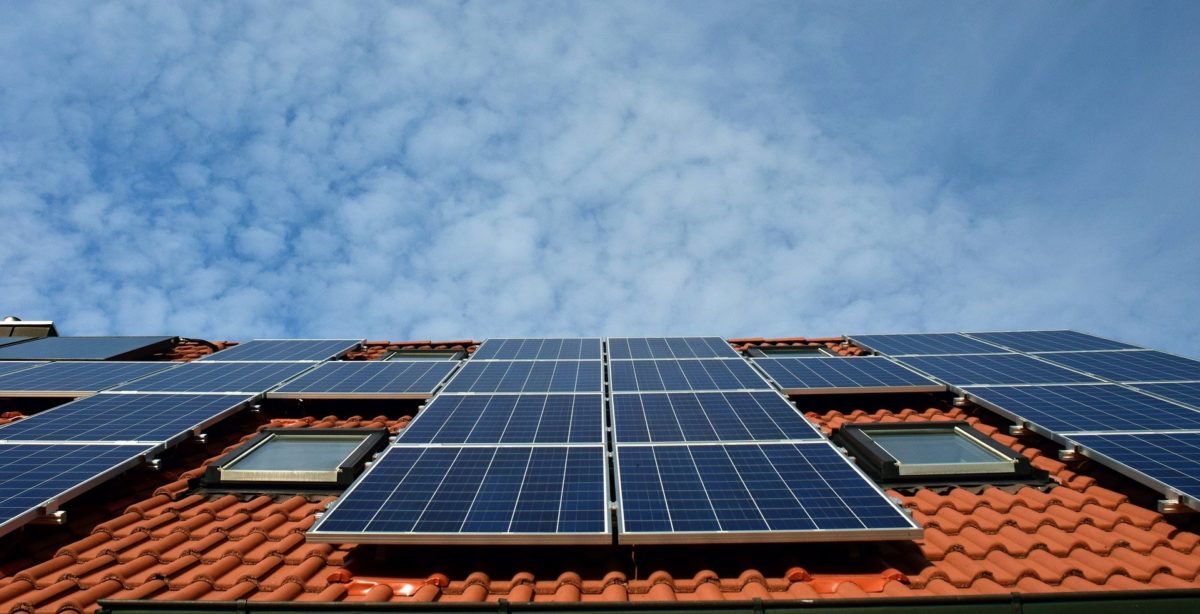





Governor Katie Hobbs’ Arizona Energy Promise Taskforce released a strategic roadmap recommending the accelerated deployment of virtual power plants and distributed solar to meet surging load growth.
The Arizona Energy Promise Taskforce report serves as a blueprint for modernizing the state’s grid while shielding ratepayers from the costs of rapid industrial expansion and data center load.
The 36-member task force identified consensus-driven policies to increase energy resource diversity, emphasizing the need for 2,000 MW of new battery storage expected to be in service by 2025. Recommendations include utilizing virtual power plants (VPPs) to provide grid capacity during peak periods and streamlining permitting processes for both distributed and utility-scale renewable projects.
“Investing in resources like virtual power plants, energy efficiency, distributed solar, and battery storage will allow Arizona to deliver reliable power quickly while relieving families from high energy bills,” said Kate Bowman, senior regulatory director, Vote Solar.
The report also highlights the $156 million Solar for All grant as a key mechanism for expanding solar access to low-income communities.
“With federal clean energy investments facing growing uncertainty, state leadership is more important than ever,” said Itzel Rios-Vega, west regional director, Vote Solar. “We applaud the Governor for fighting to restore $156 million in Solar For All funding, a critical investment that will ensure the benefits of clean, affordable solar energy reach the families and communities that need it most.”
Arizona currently ranks 4th in the nation for cumulative solar capacity. According to the Solar Energy Industries Association (SEIA), the state has installed 19 GW of solar through April 2026, enough to power 1,710,328 homes. Solar energy now accounts for 16.8% of Arizona’s total electricity generation.
The solar and storage sector represents a $23.7 billion cumulative investment in the state economy. Arizona’s solar workforce has grown to 9,768 employees working across 365 companies, including 74 manufacturers. SEIA projections indicate the state will add 13,816 MW of solar capacity over the next five years, ranking it 3rd nationally for growth during that period.
Advocacy groups said the findings provide a vital roadmap for meeting load growth without compromising affordability. The task force’s recommendations will move to the Arizona Corporation Commission to inform future regulatory proceedings and resource procurement strategies.
This content is protected by copyright and may not be reused. If you want to cooperate with us and would like to reuse some of our content, please contact: editors@pv-magazine.com.




By submitting this form you agree to pv magazine using your data for the purposes of publishing your comment.
Your personal data will only be disclosed or otherwise transmitted to third parties for the purposes of spam filtering or if this is necessary for technical maintenance of the website. Any other transfer to third parties will not take place unless this is justified on the basis of applicable data protection regulations or if pv magazine is legally obliged to do so.
You may revoke this consent at any time with effect for the future, in which case your personal data will be deleted immediately. Otherwise, your data will be deleted if pv magazine has processed your request or the purpose of data storage is fulfilled.
Further information on data privacy can be found in our Data Protection Policy.