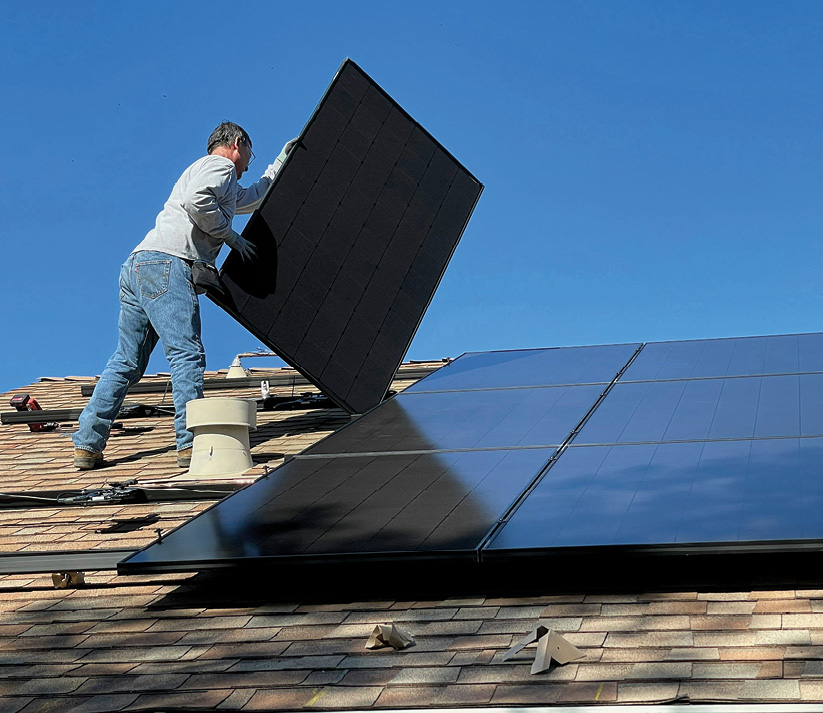





The solar industry continues to innovate as demand reaches new sales levels. Modules are more efficient, inverters are more intelligent, and hybrid solar systems with energy storage have become the norm. In the third quarter of 2025, the United States added 11.7 gigawatts of solar capacity, making it the third-largest sales quarter on record. However, supply-chain constraints continue to affect project timelines, component prices, and delivery commitments.
The supply chain has become the quiet bottleneck of the solar industry.
Despite technological innovations, the way solar products are sourced has not changed. Solar parts availability remains vulnerable to component shortages, pricing fluctuations, tariffs, transportation disruptions, and regional inventory gaps. Having ready access to solar components is becoming a strategic differentiator.
Outdated sales model
Solar module manufacturing has doubled over the last decade. Global shipments rose by 37% in 2024 alone, with much of the supply shifting to centralized production hubs. That increase in production hasn’t solved the problems of volatile materials availability and pricing. Global pricing for solar modules can vary from $0.08 tom $0.28 per watt, depending on tariffs and regional policies. Tariff policies have also increased material costs and lead times for steel and aluminum, with a direct impact on racking, mounting systems, and balance-of-system components.
Many overseas manufacturers may have inventory but lack U.S. sales channels, so they must rely on regional distributors. Distributors, in turn, must carry the inventory costs up front, tying up capital and exposing them to market risks. It’s difficult to forecast demand in a volatile supply-chain environment.
At the same time, much of the friction in solar component sales stems from the way deals are structured. Distributor pricing continues to use a one-size-fits-all model with margins built in, and each transaction is a one-off process. Pricing or deal negotiations are typically conducted via email, leading to long messaging threads and complex spreadsheets. In addition, delivery commitments are made without consideration for variables such as financing or warehousing.
While this transaction model may be fine for smaller deals and simple solar systems, as projects become more customized and complex, the one-price-for-all model starts to fall apart.
The same fixed price model has been extended to public listings on industry sales hubs. Manufacturers and distributors list their inventory on a public online marketplace, and buyers can look up components and compare prices. While this approach offers greater transparency and comparison shopping, it still relies on a single price model and can’t accommodate custom deals.
Hybrid hubs
Rather than being limited to public listings with set prices, suppliers are seeking a sales model that reflects how they actually do business. The advent of online sales hubs gives them access to more suppliers, but they want to retain control of each deal. Solar buyers want an integrated sales solution that combines CRM tools, custom quoting, contract generation, and payment processing, while still leveraging the broader selection of a public online marketplace.
A new sales hub category is emerging that brings together custom quoting, negotiation, contracting, and deal management into a single platform. These hubs combine the exposure of a public industrial marketplace with private, buyer-specific deal negotiation so sellers can tailor terms, and buyers can negotiate pricing and delivery in real time.
Unlike static e-commerce sites, these new sales hubs support:
- Private listings with customized volume pricing and sales terms
- Interactive quoting tools to cut turnaround time
- Deal pipeline management and CRM functions
- Real-time inventory and pricing
- Automated contract negotiation
- Custom landing pages for tiered discounts, such as volume buyers
- Embedded logistics and payment workflows.
Customizable sales portals offer solar vendors a SaaS-based transaction hub that promotes deal transparency and streamlines sales . These sales portals are structured to give vendors total control over their product listings, including pricing, custom quotes, assigning sales reps, customer communications, and finalizing contracts.
DCT Energy, LLC, a solar distributor in North Carolina, has started using a customized sales portal for quoting and deal negotiation. Doing deals manually used to take hours or days to finalize. Using the central sales hub, deals can be completed in minutes, freeing the sales team to pursue new opportunities. The sales hub can also be used to coordinate logistics, warehousing, and financing on a single platform.
Hybrid procurement
Projections for solar industry growth remain strong. Two-thirds of new electric capacity in the U.S. is from solar systems, with a projected annual growth rate of 28%. Incentive policies, declining solar costs, and lower carbon-emissions goals will continue to drive alternative energy growth, placing added stress on the solar supply chain.
Complex hybrid projects that call for solar modules, inverters, energy storage, and controls will require a new approach to sourcing. Demand for flexibility, pricing transparency, and flexible execution models will become essential in solar deals. New procurement strategies, like customizable sales hubs, will be the most efficient way to deliver the nuances of tailored deals with optimized delivery, financing, and performance guarantees.
The challenges of the solar supply chain aren’t going away. Tariffs, shortages, and geopolitical risks will continue to affect pricing and availability for solar components. Changing the way buyers and sellers transact business will help break the supply-chain bottleneck and regain control over solar procurement.
By Kadeer Beg, COO of Sunhub
The views and opinions expressed in this article are the author’s own, and do not necessarily reflect those held by pv magazine.
This content is protected by copyright and may not be reused. If you want to cooperate with us and would like to reuse some of our content, please contact: editors@pv-magazine.com.





By submitting this form you agree to pv magazine using your data for the purposes of publishing your comment.
Your personal data will only be disclosed or otherwise transmitted to third parties for the purposes of spam filtering or if this is necessary for technical maintenance of the website. Any other transfer to third parties will not take place unless this is justified on the basis of applicable data protection regulations or if pv magazine is legally obliged to do so.
You may revoke this consent at any time with effect for the future, in which case your personal data will be deleted immediately. Otherwise, your data will be deleted if pv magazine has processed your request or the purpose of data storage is fulfilled.
Further information on data privacy can be found in our Data Protection Policy.