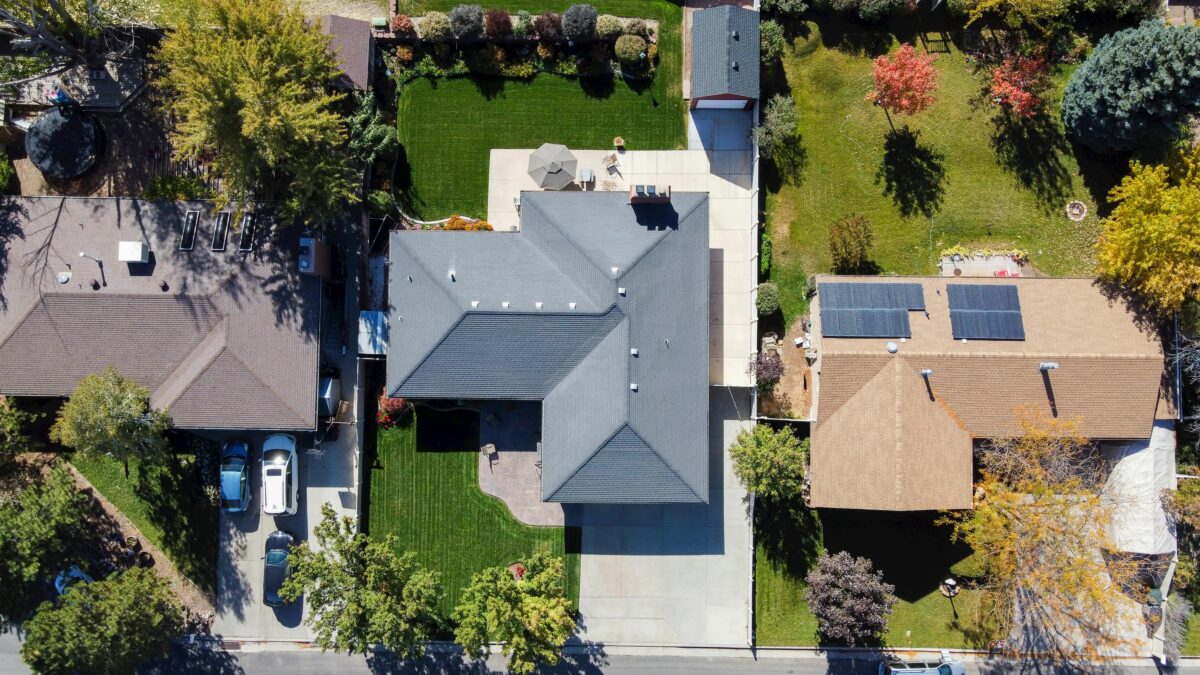





Remote virtual inspections can save time and money for residential solar and battery installers and also for local governments performing inspections, while potentially improving code compliance and safety, a report from IREC has found. The nonprofit group Permit Power funded the report, which is based largely on interviews.
Twenty-nine cities and counties across 19 states now offer remote virtual inspections (RVI) for residential solar and/or battery systems.
Solar installer Freedom Forever said that in Texas, where state law SB 1202 allows installers to hire an approved third-party remote inspector, it schedules the inspection for the same day as the installation and receives inspection approval before the installation team leaves the job site. Combined with third-party permitting, the firm said that RVI shortens the timeline from system sale to approved installation to as little as one week.
Safety
In New York, remote inspections are required after residential solar or storage installations that receive a state subsidy have passed on-site inspections by local inspectors. The Institute for Building Technology and Safety, which provides these remote inspections, reported finding deficiencies that the on-site inspector missed in 22% of residential installations.
The report says this finding highlights how remote inspections can offer “more thorough inspection quality compared to on-site inspections.”
Senior Inspector Donald Crichlow for the City of Los Angeles, which completes about 100 remote inspections per day, including 30 per day for solar installations, said that “remote inspections have proven to be at least as safe—and in many cases safer—than onsite inspections.”
Many on-site inspectors do not climb onto the roof due to the risk of falling and associated insurance limitations, the report says, and therefore do not visually inspect solar equipment, but remote inspection “does allow the inspector to check the rooftop equipment.”
Moreover, while a junior on-site inspector may function independently, remote inspection makes it easier for a senior-level inspector to provide support, “which can lead to a higher level of code compliance.”
Installer savings
The report notes that where remote inspections are conducted via photos or recorded video, installers can take photos or videos at the end of the installation and avoid the need to send a staff member back to the job site to meet with an inspector.
Where remote inspections are conducted via live video, installers benefit from shorter inspection windows, and can correct the cause of a failed inspection and immediately schedule a remote reinspection, avoiding an additional trip to the job site.
Inspector savings
Inspectors can conduct about three times as many remote inspections as on-site inspections per year, saving a local government $30,000 per inspector per year, the report estimates.
Local governments using RVI also see reduced wait times and backlogs of inspection requests.
The report points to guidance for remote inspections available in the National Fire Protection Association’s “Standard for Remote Inspections,” and the International Code Council’s “Recommended Practices for Remote Virtual Inspections (RVI).”
The IREC report reflects interviews with local inspection agencies, remote inspection software providers VuSpex and Blitzz, and others. The report is titled “Safety of Remote Virtual Inspections for Residential Solar and Storage Systems.”
This content is protected by copyright and may not be reused. If you want to cooperate with us and would like to reuse some of our content, please contact: editors@pv-magazine.com.


By submitting this form you agree to pv magazine using your data for the purposes of publishing your comment.
Your personal data will only be disclosed or otherwise transmitted to third parties for the purposes of spam filtering or if this is necessary for technical maintenance of the website. Any other transfer to third parties will not take place unless this is justified on the basis of applicable data protection regulations or if pv magazine is legally obliged to do so.
You may revoke this consent at any time with effect for the future, in which case your personal data will be deleted immediately. Otherwise, your data will be deleted if pv magazine has processed your request or the purpose of data storage is fulfilled.
Further information on data privacy can be found in our Data Protection Policy.