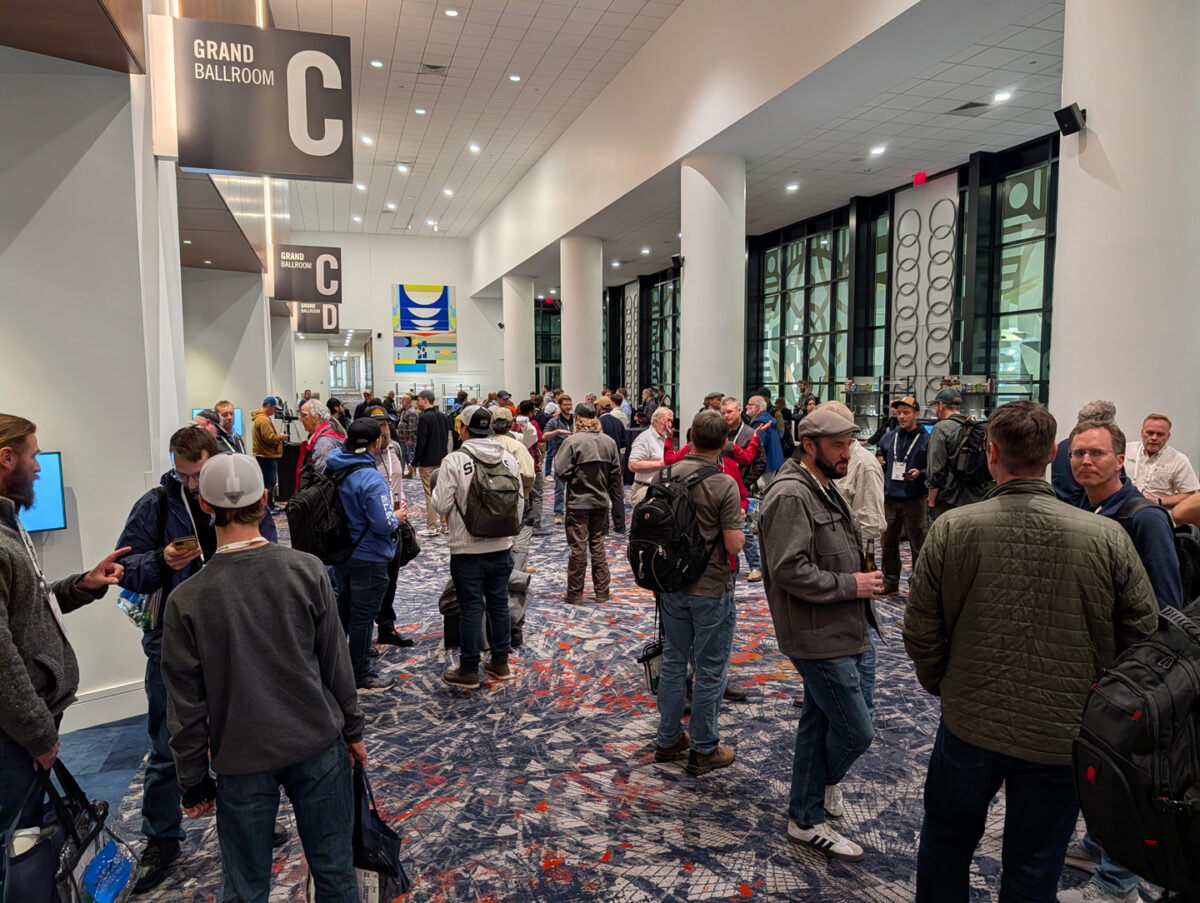





Each year, the annual North American Board of Certified Energy Practitioners (NABCEP) Continuing Education (CE) conference brings together some of the most knowledgeable people in the solar industry.
Attendees, who largely represent distributed scale companies, gather to learn and share knowledge in 90-minute technical sessions about changes to codes, standards and technology, imparting hard-won wisdom learned while doing the work of designing, building and maintaining solar and energy storage installations.
The long sessions enable participants to dig deep into a topic, earning them continuing education units (CEUs) they can use to secure their NABCEP certification or complete recertification every three years.
This year’s event, held between March 16 and 19, 2026, at the Baird Center in downtown Milwaukee, Wisconsin, saw nearly 900 attendees brave a late winter blizzard to join their peers in dozens of 90-minute technical sessions, with scheduled events before and after hours and booths from all kinds of solar equipment, tool and service companies on the exhibit hall floor.
Following Monday morning’s initial technical sessions, the event began in earnest with a meet and greet outside the Baird Center ballroom, followed by a keynote speech in which Milwaukee Mayor Cavalier Johnson touted his city’s commitment to clean energy, as evidenced by the many city’s public buildings powered by local solar and wind installations.
Erick Shambarger, Milwaukee’s director of environmental sustainability, followed the mayor, inviting the crowd to imagine the “world-class eco city” Milwaukee wants itself to be and discussing his team’s efforts to work with the the city council to :use every kind of financing there is” to deliver more clean energy to run government operations.
The keynote address was followed by an opening reception that featured Milwaukee Brewers mascot Bernie Brewer and two of the stadium’s famous racing sausages, along with a large tables laden with cheese and other Wisconsin-themed delicacies.
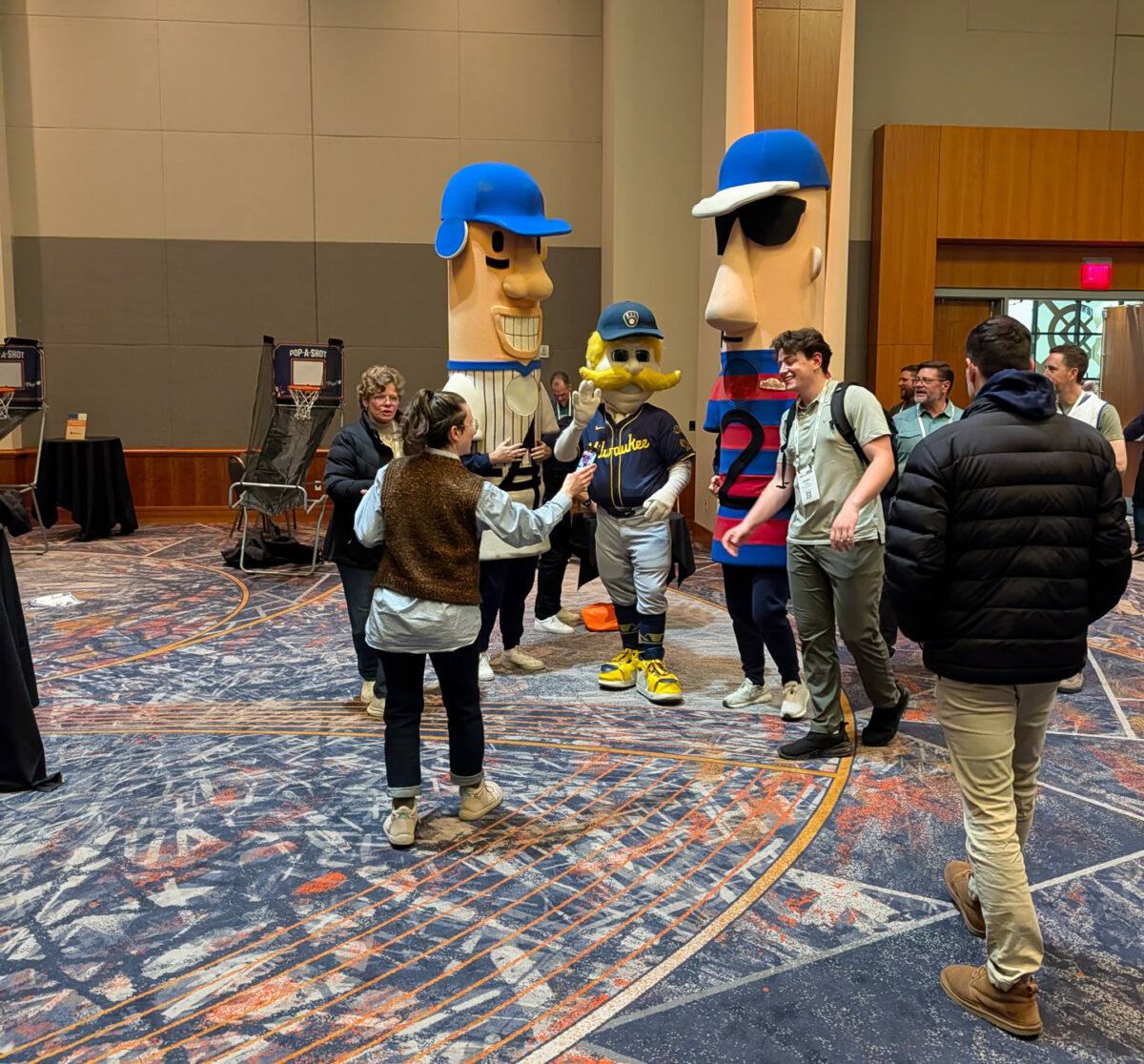
Image - pv magazine USA
Technical training resumed and the exhibit hall opened on Tuesday morning. Key themes that emerged during the three days that followed included the growing importance of microgrids and how solar companies can maintain profitability in a challenging business environment.
pv magazine USA at the show
Members of the pv magazine USA team attended this year’s conference to sit in on technical sessions and have discussions with installers, distributors and speakers in the exhibit hall.
We also hosted three separate discussions on the SunCast Media stage, with associate editor Ben Zientara moderating the following discussions:
- “How Meter Socket Adapters are Revolutionizing Residential Solar,” with Whit Fulton of ConnectDER and Tommy Dormer of Lunar Energy
- “Growing Role of Commercial Deployments in Tigo Energy’s Ecosystem,” with JD Dillon of Tigo Energy
- “How Briggs & Stratton’s Inverter Partnerships Help Installers Streamline Operations and Save Homeowners Money,” with Sequoya Cross of Briggs & Stratton Energy Solutions
Stay tuned for recordings of the interview sessions!
Many thanks to Nico Johnson and the whole SunCast Media team for the opportunity to host those discussions.
Microgrids generate buzz
The National Laboratory of the Rockies (formerly known as the National Renewable Energy Laboratory, or NREL), defines a microgrid as “a group of interconnected loads and distributed energy resources that acts as a single controllable entity with respect to the grid. It can connect and disconnect from the grid to operate in grid-connected or island mode.”
There were no fewer than five technical sessions dealing with microgrids at this year’s conference, chaired by experts from companies like Victron, ComAp and Generac. Each of these companies brought their technical teams to the show to give participants a deep dive on how their solutions fit into a microgrid system.
A session hosted by Michael Goldbach, CTO of microgrid control company New Sun Road, covered every part of a microgrid setup, from choosing hardware and software to managing diverse mixes of distributed energy assets in a fleet of different locations.
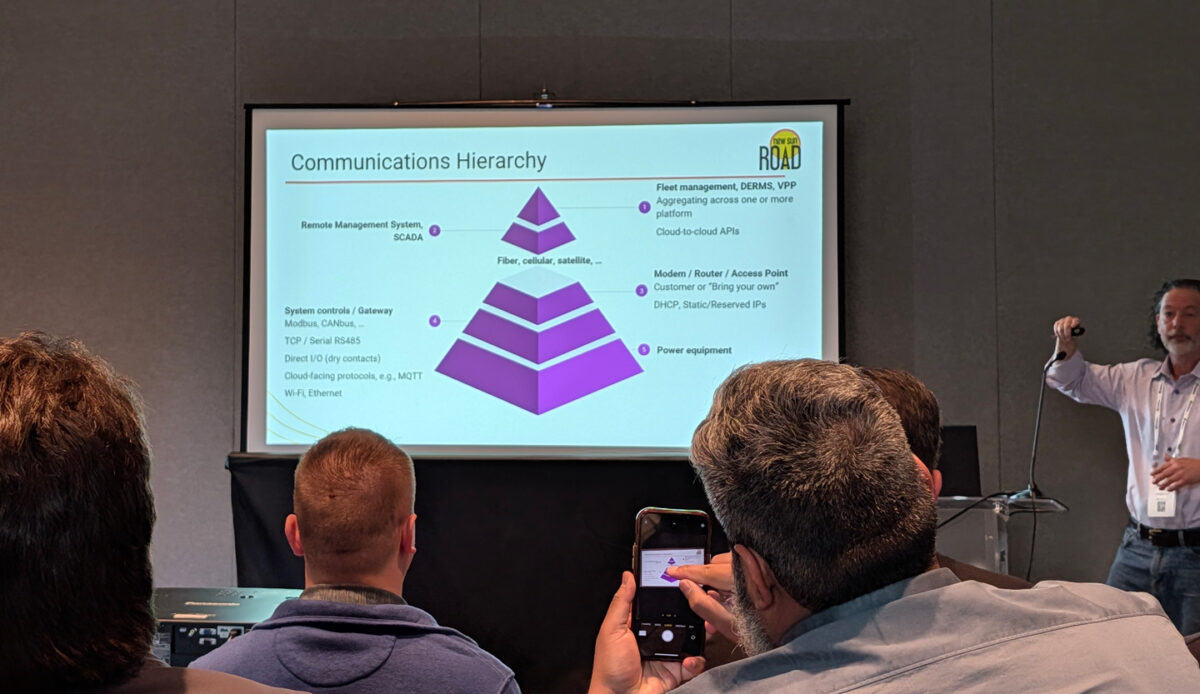
Image - pv magazine USA
Goldbach explained in detail how system controllers can be used to automate important sequences of hardware activations, and fielded numerous questions from an audience eager to apply the knowledge in their own business. For the remainder of the show, Goldbach manned the New Sun Road booth in the exhibit hall, pitching his company’s cloud-based microgrid management solutions and getting into the details of his session with people who had more questions.
How to run a profitable solar business amid text credit turmoil
In sessions geared toward installers of residential, commercial and industrial solar systems, industry professionals shared best practices for developing and maintaining new sources of revenue.
Dean Chiaravalloti, CRO at Solar Insure, hosted a session entitled “Building What Lasts: The Next Era of Trust, Service, and Solar Sustainability.” The session included breakout groups in which participants were encouraged to share how they overcame problems in their business.
“People talked about problems they thought they faced alone,” said Chiravalloti in comments to pv magazine USA. “It helps them to work through the issues they’re having when they see how others have faced similar problems.”
Other key topics included how to make residential O&M a revenue center and how to plan an expansion from residential to commercial installation work.
Two panel discussions held by professionals from solar inverter company SMA America covered how installers can engage customers with aging solar installations in discussions about repowering their systems.
The SMA team pointed out that there are now more than half a million rooftop solar installations across the U.S. that are more than 15 years old, and said they field calls from owners of many of those systems asking to replace or upgrade the existing inverter.
Many of those systems are in need of looking after, either because of a component failure or because the original installer has long since gone out of business.
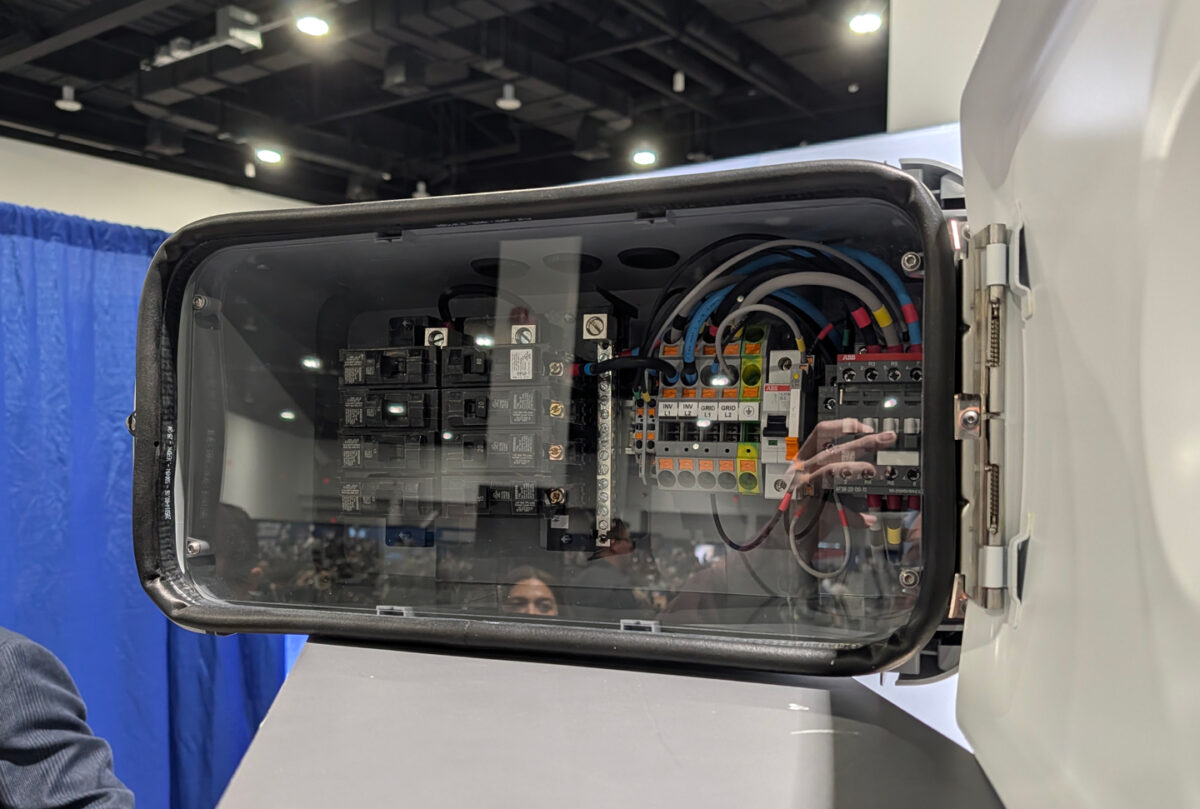
Image - pv magazine USA
The speakers said installers can spend just a few hours talking through options with home and business owners, ultimately installing a new inverter that can provide new features like emergency backup along with brand new warranties to keep the system owners happy long into the future.
This content is protected by copyright and may not be reused. If you want to cooperate with us and would like to reuse some of our content, please contact: editors@pv-magazine.com.






By submitting this form you agree to pv magazine using your data for the purposes of publishing your comment.
Your personal data will only be disclosed or otherwise transmitted to third parties for the purposes of spam filtering or if this is necessary for technical maintenance of the website. Any other transfer to third parties will not take place unless this is justified on the basis of applicable data protection regulations or if pv magazine is legally obliged to do so.
You may revoke this consent at any time with effect for the future, in which case your personal data will be deleted immediately. Otherwise, your data will be deleted if pv magazine has processed your request or the purpose of data storage is fulfilled.
Further information on data privacy can be found in our Data Protection Policy.