
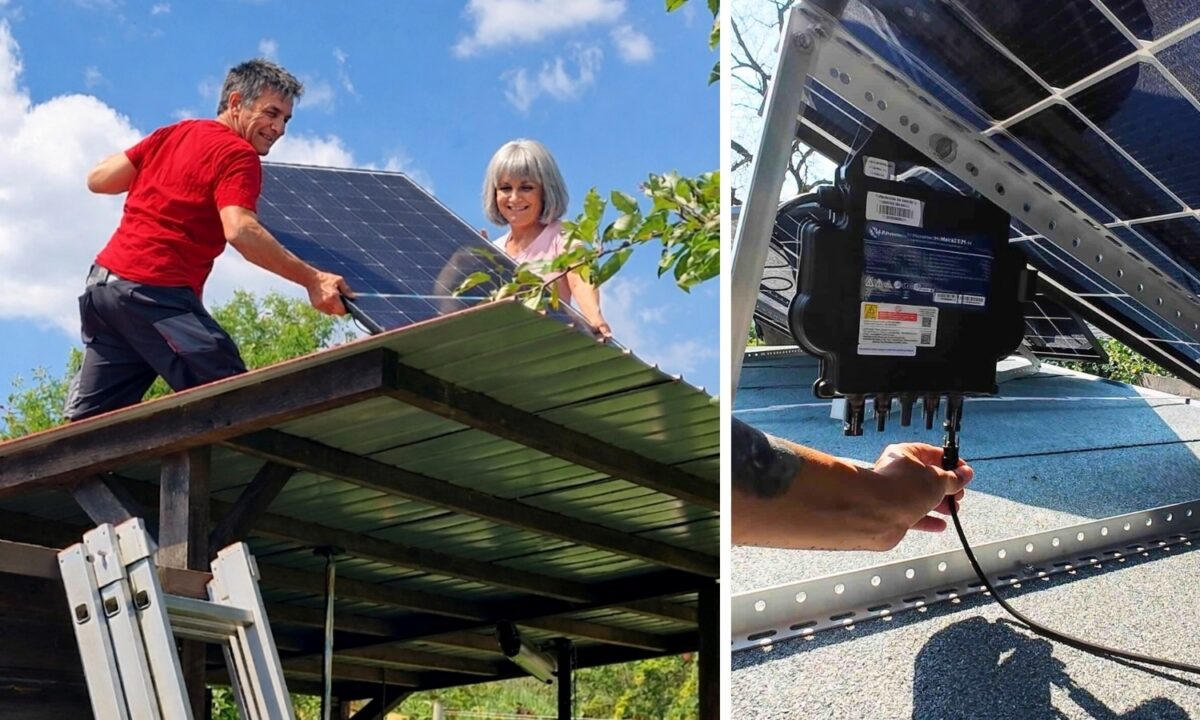





As distributed energy resources continue to evolve, a new category of solar deployment is gaining attention: portable and plug-in PV systems. Designed for small spaces and simplified installation, these systems are expanding solar access to households that have traditionally been excluded from rooftop installations.
Portable solar systems typically consist of one or two PV modules paired with a microinverter that converts DC electricity into grid-compatible AC power. These systems can often be mounted on balconies, patios, sheds, or small ground racks and connected to a standard electrical circuit, unlike conventional residential systems that require rooftop installation and electrical permitting.
The concept has already gained traction in several European markets. Germany, for example, has seen rapid adoption of so-called “balcony solar” systems and now has over 500,000 registered balcony solar systems, with adoption continuing to grow as regulations and consumer awareness evolve. These systems typically range from 300 W to 800 W in capacity and are designed to offset daytime household consumption rather than fully power a home.
In the United States, similar systems are beginning to attract interest as policymakers explore ways to expand distributed energy participation. With more than one-third of U.S. households renting their homes, a large segment of the population cannot install permanent rooftop solar. Portable systems offer an alternative pathway for these consumers to participate in solar generation without structural changes to their property.
For solar installers and contractors, the plug-in solar systems represent a complementary opportunity rather than a competing one.
“Portable solar should be seen as expanding the market rather than replacing traditional installations,” said Doug Hewitt, U.S. director at APsystems. “It allows renters and homeowners with limited space or budgets to start generating their own power, while also introducing new consumers to solar who may eventually move into full rooftop systems.”
Advances in inverter technology are helping enable this category. Microinverters originally developed for rooftop installations are now being adapted for smaller plug-in applications that emphasize simplified installation, module-level optimization, and integrated safety features.
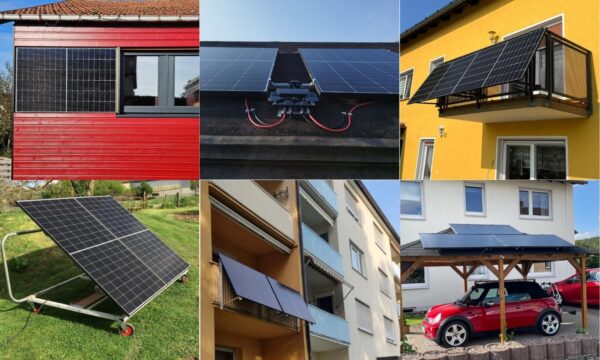
One example is the EZ1 plug-in microinverter developed by APsystems. Designed for compact photovoltaic systems, the device supports two solar modules and converts their output into grid-compatible AC power. By using module-level power electronics, each panel can operate independently while maintaining safety and performance standards consistent with residential solar equipment.
Although portable systems generate far less electricity than traditional rooftop arrays, their accessibility may help broaden access to distributed generation. As regulators, utilities, and manufacturers continue to explore decentralized energy models, plug-in solar systems could become an increasingly visible entry point into the solar market.
This content is protected by copyright and may not be reused. If you want to cooperate with us and would like to reuse some of our content, please contact: editors@pv-magazine.com.


By submitting this form you agree to pv magazine using your data for the purposes of publishing your comment.
Your personal data will only be disclosed or otherwise transmitted to third parties for the purposes of spam filtering or if this is necessary for technical maintenance of the website. Any other transfer to third parties will not take place unless this is justified on the basis of applicable data protection regulations or if pv magazine is legally obliged to do so.
You may revoke this consent at any time with effect for the future, in which case your personal data will be deleted immediately. Otherwise, your data will be deleted if pv magazine has processed your request or the purpose of data storage is fulfilled.
Further information on data privacy can be found in our Data Protection Policy.