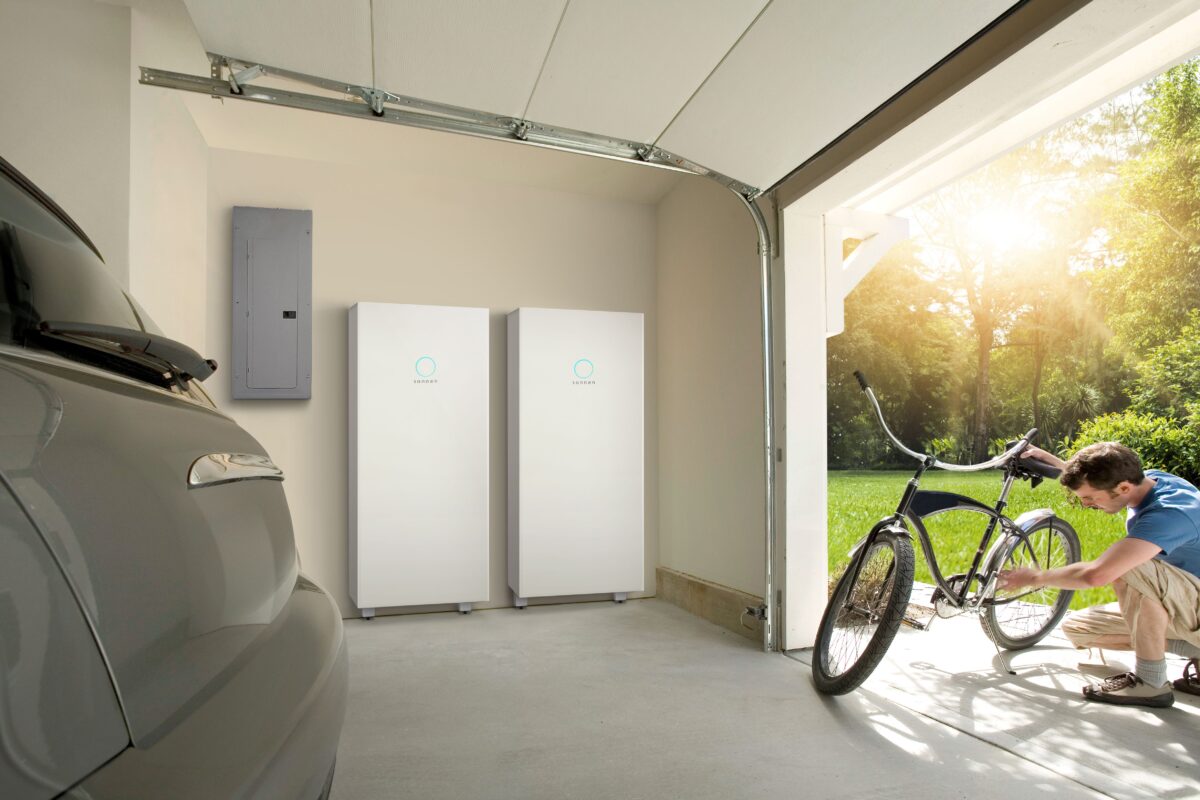





SOLRITE Energy has launched a new battery-only virtual power plant (VPP) offer for the Texas ERCOT market under which it will deploy sonnen energy storage systems at customer homes and sell electricity directly to the homeowners.
The company says the program targets homes without rooftop solar, as well as “solar orphans” — customers with existing solar arrays who no longer receive favorable solar buyback rates from retail electricity providers.
The offer features 60 kWh of sonnen battery capacity per home and a retail energy rate of 12 cents per kWh through retail partner Abundance Energy. SOLRITE charges a $20 monthly fee with no upfront installation costs for the system.
Capacity and grid impact
According to the press release, the existing SOLRITE sonnen VPP has already enrolled 3,000 customers across Texas. Blake Richetta, chairman and CEO of sonnen Inc. USA told pv magazine USA the company is targeting a total of 10,000 customers by the end of 2026.
With that number of customers, Richetta says the program will represent a total energy storage capacity of 600 MWh, with a power output of 144 MW (give or take, as some projects have been designed with smaller 20- and 40-kWh battery systems).
These additions would represent a significant expansion of dispatchable residential storage capacity within the Electric Reliability Council of Texas (ERCOT).
ERCOT’s Aggregated Distributed Energy Resource pilot project — which tracks and coordinates residential virtual power plants — currently limits overall pilot participation to 200 MW of aggregate power capacity.
Richetta said sonnen is in the process of launching its new 11th generation battery with SOLRITE, which would retain the current generation’s 20, 40, or 60 kWh energy capacities, but increase the power output to 6, 12, or 18 kW, depending on how many stacks the customer receives.
Addressing shifting economics
For non-solar customers, the batteries function to reduce costs to a predictable “all-in” rate of 12 cents per kWh (up to 120%, which include the 6-7 cents per kWh charges levied by distribution utilities. This compares favorably with other offerings, as the U.S. Energy Information Administration lists the state’s average residential utility cost of 15.4 cents per kWh.
The battery-only approach is partly designed to address a growing number of what SOLRITE refers to as “solar orphans” — homeowners who invested in solar panels but have seen the value of their excess generation decline as retail providers phase out favorable buyback plans.
Current solar owners will be able to store their excess solar energy in the batteries to offset their nighttime usage. Richetta says that any excess energy that is transmitted to the grid will be valued based on when it is discharged. “VPP dispatched injection will be credited at 12 cents per kWh,” he said, but if excess energy is transmitted to the grid outside of VPP dispatch hours, it will be discounted based on the time-based wholesale rate.
Still, this arrangement is preferable to some other REP plans, which pay wholesale prices for all excess solar generation.
In addition to the low rates and solar buyback, the SOLRITE program offers resiliency benefits. Richetta said the company will deploy what it calls “Protective Backup Power Service Dispatch,” charging the batteries to 100%, prior to a storm. However, in the case of an unplanned outage, the backup power reservation is set anywhere from 10% to 20%, based on home load.
This content is protected by copyright and may not be reused. If you want to cooperate with us and would like to reuse some of our content, please contact: editors@pv-magazine.com.






By submitting this form you agree to pv magazine using your data for the purposes of publishing your comment.
Your personal data will only be disclosed or otherwise transmitted to third parties for the purposes of spam filtering or if this is necessary for technical maintenance of the website. Any other transfer to third parties will not take place unless this is justified on the basis of applicable data protection regulations or if pv magazine is legally obliged to do so.
You may revoke this consent at any time with effect for the future, in which case your personal data will be deleted immediately. Otherwise, your data will be deleted if pv magazine has processed your request or the purpose of data storage is fulfilled.
Further information on data privacy can be found in our Data Protection Policy.