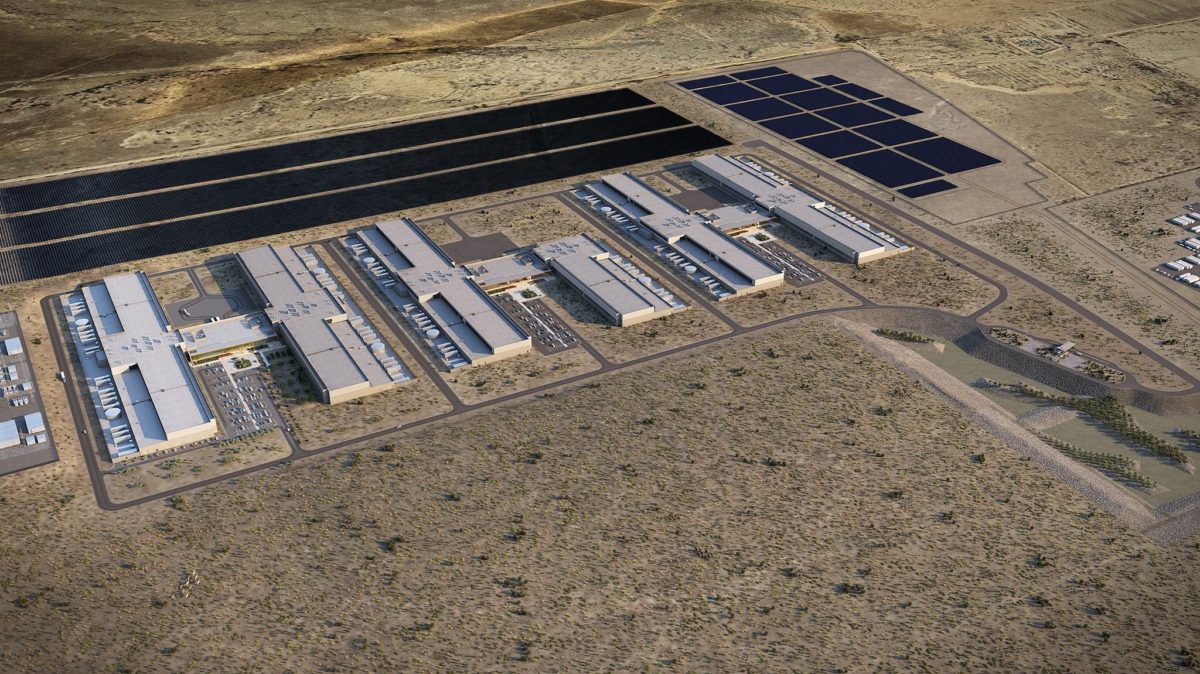





The renewable energy sector is entering a new phase, its value is no longer defined only in gigawatts (GW) of installed capacity, but increasingly in the gigabytes (GB) of data, algorithms, and AI‑enabled operational intelligence that support it. As the global energy transition accelerates, investors will require higher levels of predictability, transparency, and long-term performance.
By pushing solar and storage from “resource driven deployment” toward “data driven infrastructure,” AI will enhance forecasting accuracy, strengthen asset visibility, and streamline due diligence processes.
Power variability, weather‑driven risks, equipment degradation, and asset opacity have historically been the cause of complicated long-term performance assessments. AI now makes it possible to monitor assets more accurately, forecast performance more reliably, and build a dynamic, data-driven understanding of how projects behave over time.
AI contributes to this shift through:
- More accurate energy‑generation forecasting that reduces PPA and merchant price volatility.
- Digital twin models that simulate PV and storage system performance in real time.
- Automated risk identification tools that accelerate engineering and financial due diligence.
- Machine learning based supply chain tracing to enhance transparency and ESG compliance.
These capabilities do not eliminate risk; rather, they translate uncertainty into quantifiable, manageable parameters, improving visibility across the asset lifecycle.
Corporate clean-energy procurement provides one of the clearest indicators of large-scale market demand
According to the SEIA Solar Date Cheat Sheet (Q3 2025)1, technology companies make up the largest share of US corporate solar buyers:
- Meta — 5,177 MW
- Amazon — 4,668 MW
- Google — 2,595 MW
- Apple — 1,156 MW
- Microsoft — 551 MW
Beyond sustainability commitments, these companies are now securing long-term, low volatility clean energy to support rapidly expanding cloud computing and AI compute demands. In this way, AI growth and renewable energy bolster each other’s development.
Google and Microsoft represent the most advanced models of such integration of AI and clean energy infrastructure.
Google has committed to achieving 24/7 carbon free energy (CFE) by 20302, which will require enhanced forecasting, scheduling, and energy matching capabilities across global grids. Google’s CFE reports highlight that achieving hourly CFE “requires a more intelligent grid and advanced predictive models,” where AI plays a central role. In partnership with AES in Virginia3, Google has also demonstrated real‑time carbon‑free operations using solar, wind, hydro, and storage—enabled by AI‑based forecasting and dispatching systems.
Microsoft has contracted more than 10 GW of renewable PPAs and applies AI across Azure for carbon accounting, marginal emissions analysis, and procurement optimization4. AI helps Microsoft reduce long-term energy cost uncertainty, and design more competitive PPA structures.
These cases illustrate that for the world’s largest computer providers, AI and clean energy systems are increasingly part of the same infrastructure.
From an investment perspective, AI enhances decision making by providing:
- Higher fidelity operational data
- Faster and more consistent due diligence cycles
- Clearer degradation and performance drift insights
- Greater ESG and supply chain visibility
AI does not replace traditional financial analysis, but it strengthens the informational foundation upon which investment decisions are made.
As solar scales from gigawatts to terawatts, and AI computes move from gigabytes to exabytes, the interdependence between the two systems will deepen. Clean energy reliability will shape the trajectory of AI, while AI will increasingly influence how renewable energy assets are forecasted, operated, and evaluated.
A new infrastructure paradigm is emerging: the future of energy will be defined not only by how many “gigawatts” we build, but by how intelligently we use “gigabytes” to optimize, verify, and manage clean‑energy systems.

May Wang is the U.S. Segment Manager for Solar and Sustainability at TÜV Rheinland, where her two decades of experience have helped expand the company’s global leadership in renewable energy, particularly in forging strong ties with the largest accredited solar laboratory in Shanghai since 2008. Drawing on international expertise, she currently oversees U.S. solar and PV power plant operations, leading bankability assessments, performance testing, and risk management to support reliable and sustainable energy solutions for manufacturers and investors.
The views and opinions expressed in this article are the author’s own, and do not necessarily reflect those held by pv magazine.
This content is protected by copyright and may not be reused. If you want to cooperate with us and would like to reuse some of our content, please contact: editors@pv-magazine.com.

By submitting this form you agree to pv magazine using your data for the purposes of publishing your comment.
Your personal data will only be disclosed or otherwise transmitted to third parties for the purposes of spam filtering or if this is necessary for technical maintenance of the website. Any other transfer to third parties will not take place unless this is justified on the basis of applicable data protection regulations or if pv magazine is legally obliged to do so.
You may revoke this consent at any time with effect for the future, in which case your personal data will be deleted immediately. Otherwise, your data will be deleted if pv magazine has processed your request or the purpose of data storage is fulfilled.
Further information on data privacy can be found in our Data Protection Policy.